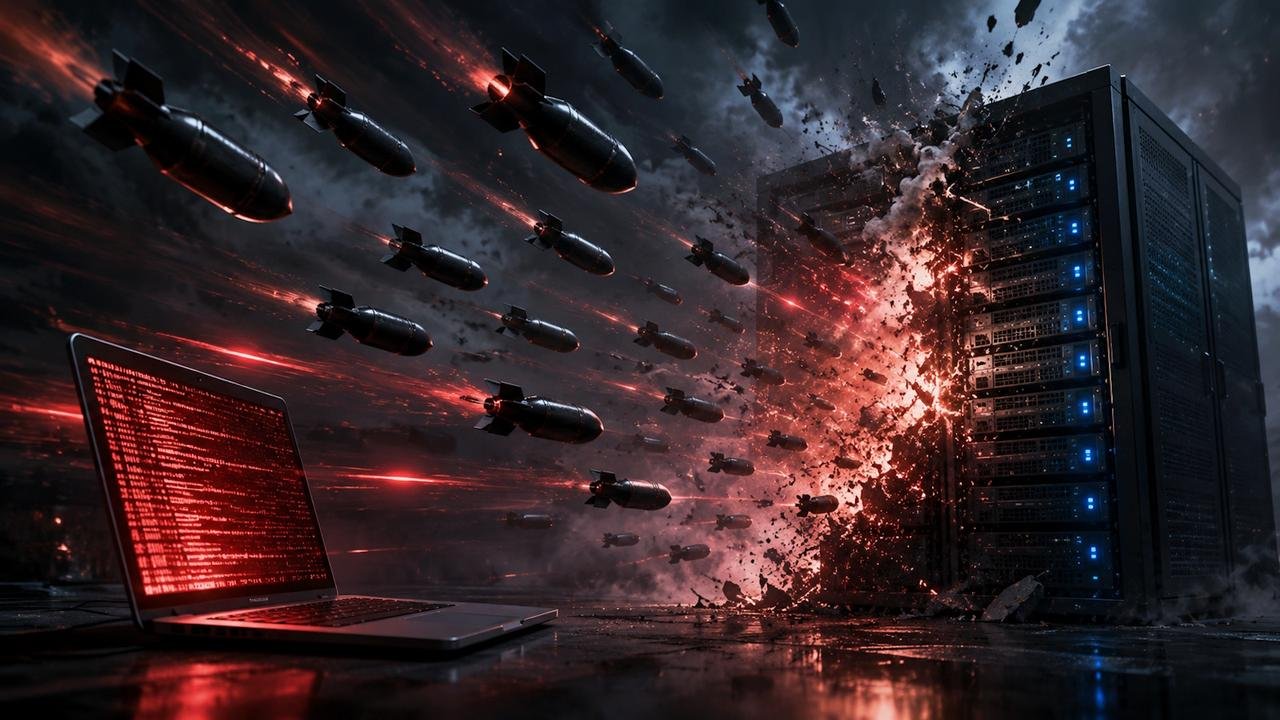
Heightened geopolitical tensions and AI-driven attacks are putting European energy and communication networks at unprecedented risk.
Inside the quiet classrooms of Moscow’s Bauman University, a new generation is learning that the most effective weapons of modern conflict are written in lines of code.
Data reveals why scammers use silent calls to harvest biometric voice data for deepfake financial fraud.
As SLAPP suits and legal harassment become standardized tools for silencing critics, journalists are finding that traditional protections are buckling under the weight of attrition.
New data reveals that poor credential management remains the primary entry point for cyberattacks targeting businesses in the French Antilles.
A recent police operation in Dijon reveals how criminal organizations are adopting the aesthetics and logistics of legitimate e-commerce to reach younger audiences.
A shift in US counterterrorism strategy marks the transition from digital defense to state-sponsored offensive hacking against a broad range of non-state actors.
Passwords were built for a world where humans did the guessing. In the age of automated data theft, your complex symbols are now liability, not security.
New Federal Council data reveals Switzerland is facing its most unstable security environment since the Cold War, driven by espionage and hybrid warfare.
A massive cyberattack on the Canvas platform recently paralyzed major universities. Here is what builders can learn about centralized platform risk.
A deep explore Kratos, the PhaaS toolkit lowering the barrier for sophisticated cyberattacks targeting global enterprise infrastructure.
Intelligence reports reveal a surge in data breaches led by minors, highlighting a shift toward youth-driven cybercrime syndicates.