




The Single-Machine Siege: Why Your Infrastructure Is Vulnerable to Post-HTTP/2 Attacks
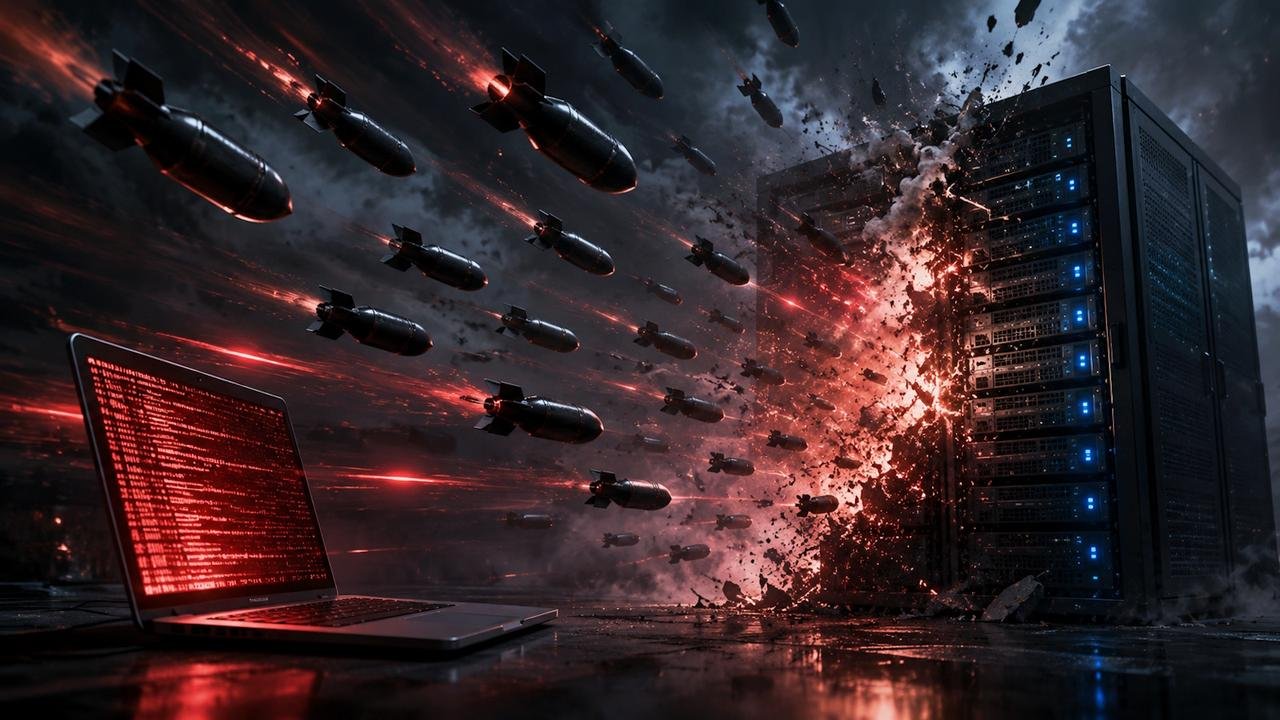
The Efficiency Gap in Modern Defense
The standard industry narrative for the last decade has been one of scale. We were told that to take down a major site, you needed a massive botnet, thousands of compromised IoT devices, and a flood of traffic that could be seen from space. Security vendors built their business models on this assumption, selling expensive scrubbing services designed to filter out the noise of a million requests. But the math has changed, and the industry is currently ignoring a structural flaw that makes those massive defenses irrelevant.
Researchers have uncovered a technique that allows a single machine to achieve the same results as a global botnet by exploiting the way modern protocols handle multiplexing. Instead of overwhelming the front door with a crowd, this method uses a skeleton key to lock the building from the inside. It is not about volume anymore; it is about the asymmetrical cost of processing a single, malformed request versus the cost of sending it.
The industry currently relies on the idea that traffic volume is the primary indicator of an attack. This belief creates a dangerous blind spot for developers who assume that as long as their bandwidth isn't spiked, their services are safe. The reality is that your CPU can be pinned at 100 percent while your network monitors show barely a ripple of incoming data.
The Protocol Paradox
The shift to HTTP/2 was supposed to make the web faster by allowing multiple requests to travel over a single connection. However, this efficiency is exactly what is being weaponized. By sending specifically crafted frames that require heavy server-side computation but minimal client-side effort, an attacker can exhaust server resources in less than ten seconds. It is a surgical strike disguised as routine maintenance.
The vulnerability lies not in the code of a specific application, but in the fundamental way modern web servers prioritize and manage concurrent data streams under the HTTP/2 and HTTP/3 standards.
When we look at how Nginx, Apache, and Cloudflare handles these streams, we see a recurring theme: they are designed for performance, not for adversarial resource management. If a server receives a request to cancel a stream, it often spends more energy cleaning up the state than it would have spent serving the request. Attackers are now flooding servers with these 'cancel' requests, forcing the hardware into a loop of expensive administrative tasks that eventually leads to a total freeze.
Technical teams are scrambling to patch these holes, but the fixes are often just bandages. Rate limiting doesn't work when the attack stays under the threshold of what a single user is allowed to do. Traditional Web Application Firewalls (WAFs) are looking for signatures of known bad actors, but they aren't equipped to analyze the logic of stream multiplexing in real-time without introducing massive latency for legitimate users.
The Cost of Complexity
We are seeing the fallout of a decade spent prioritizing speed over architectural resilience. Engineers have built layers of abstraction—load balancers, reverse proxies, and CDNs—that all have slightly different ways of handling the same protocol. This creates a 'translation' risk where a request that looks benign to a CDN becomes a resource-killer by the time it reaches the origin server. The complexity of the stack is now the primary attack vector.
Infrastructure providers are hesitant to discuss the full scope of this issue because it suggests that the very protocols the modern web is built upon are inherently fragile. If a single laptop can silence a billion-dollar platform, the entire economic model of DDoS protection services comes into question. We are no longer guarding against a flood; we are guarding against a leak that can sink the ship.
The survival of enterprise infrastructure in the coming year will not depend on the size of the network pipe, but on the granularity of the server's ability to reject malicious frames before they hit the kernel. The ultimate test will be whether the major web server maintainers can rewrite their core connection logic before this technique moves from laboratory whitepapers to automated script-kiddie toolkits.
AI PDF Chat — Ask questions to your documents