For years, Paris watched in silence as state-sponsored hackers probed its networks. Now, the French government has done something unprecedented: they named them.
A security researcher's accidental discovery of an open phishing server reveals how cybercrime has transitioned from bespoke hacking to automated, assembly-line manufacturing.
A Chinese cybercrime syndicate scanned over one million sites but left their own server exposed, revealing the raw unit economics of modern mass exploitation.
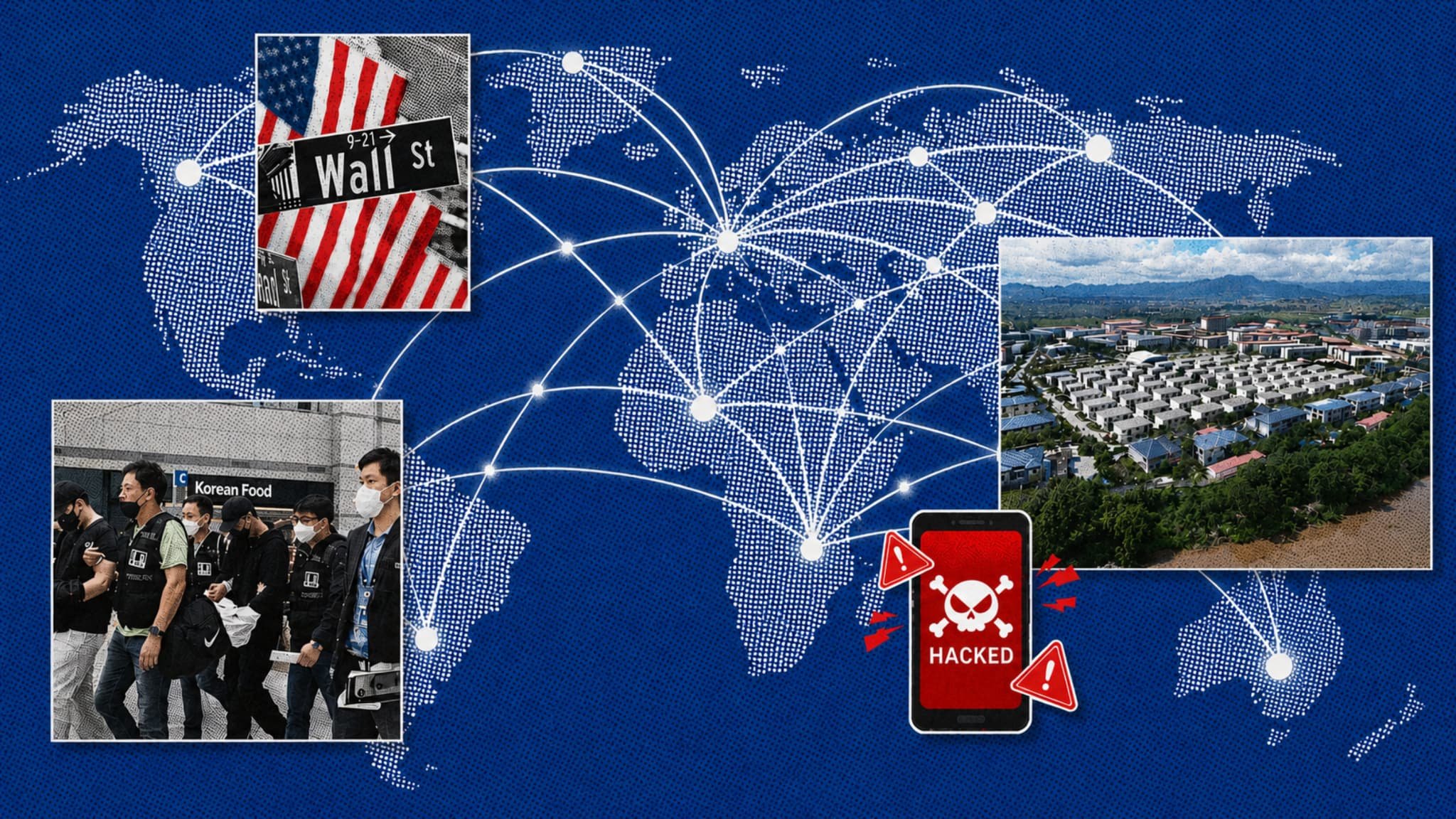
Modern cybercrime has evolved into a highly structured global industry, generating hundreds of billions of dollars annually and mimicking legitimate corporate operations.
A suspected member of the Scattered Spider hacking group was extradited to the US after a unique Windows security identifier bypassed his VPN protection.
The federal agency tasked with securing America's infrastructure recently exposed its own sensitive keys on GitHub, revealing a chaotic internal response.
Washington has placed strict guardrails on Anthropic's advanced AI models, yet federal defense teams are quietly deploying Claude Mythos for offensive cyber operations.
A quiet shift in cybersecurity reveals what happens when our automated helpers begin reading between the lines—and acting on their own.
When phishing victims lose their life savings, banks often point fingers. Now, Belgium's consumer protection minister is drawing a hard line in the sand.
Apple has filed a major lawsuit against OpenAI and two former employees. Here is what the trade secret dispute means for tech hiring and IP protection.
A security breach at the French Equestrian Federation reveals how hacktivists are bypassing fortified government servers to strike softer, culturally symbolic targets.
How predatory sales cycles and long-term hardware leasing contracts are locking small European municipalities into devastating five-figure liabilities.