




Anthropic's Double Game: Why Washington Blacklists Claude While Quietly Using It to Hack Itself
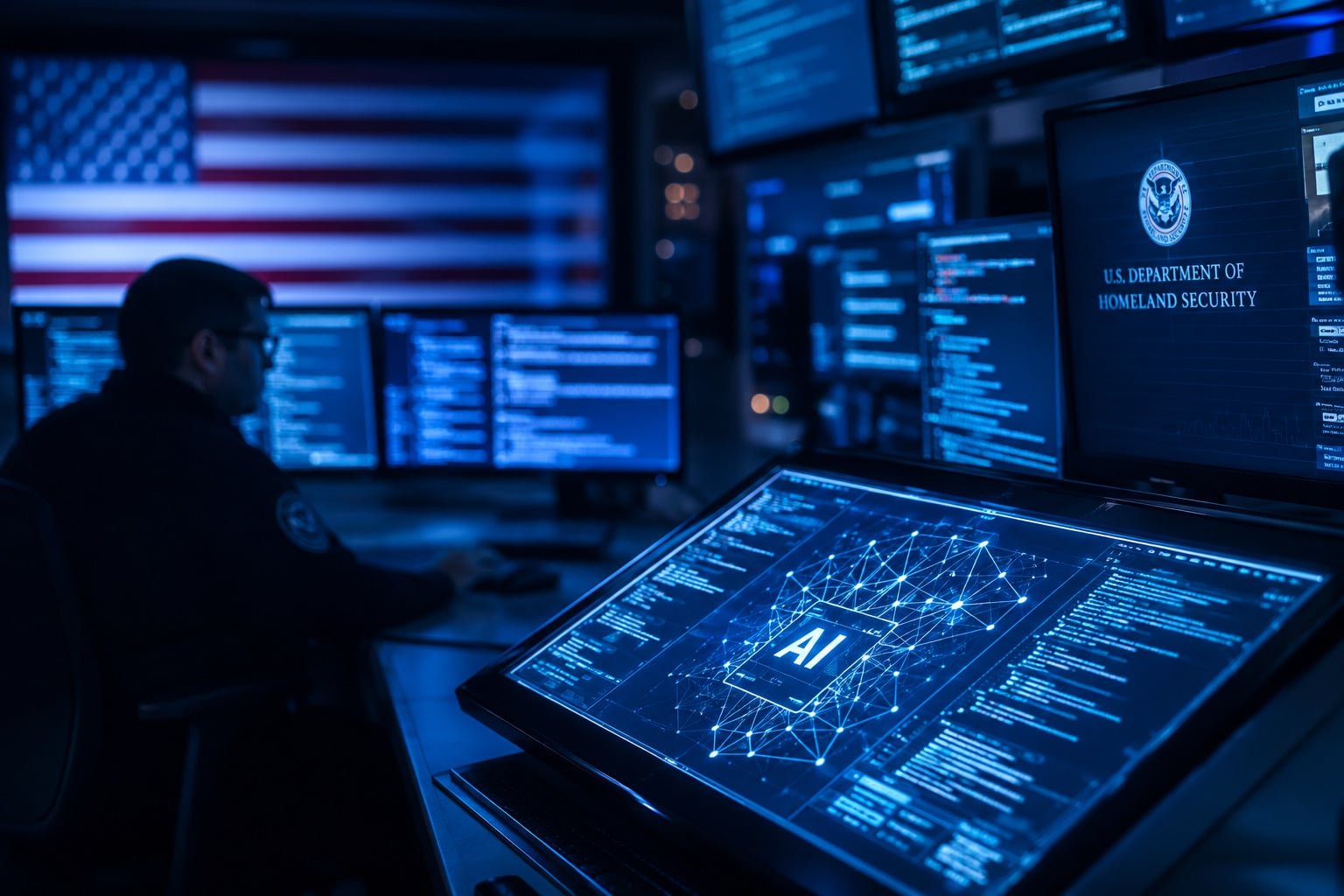
This is not a policy contradiction. It is a textbook display of dual-use technology strategy. While the US government publicly tightens the regulatory leash on Anthropic, restricting the export and commercial deployment of its frontier models, federal defense agencies are simultaneously integrated into the back-end of Claude Mythos. They are using the startup's most restricted intelligence to run offensive penetration testing on their own infrastructure.
The business of state-sponsored artificial intelligence is rarely clean. Silicon Valley wants to sell enterprise software-as-a-service (SaaS) to Fortune 500 companies, but the real capital and the deepest moats reside in sovereign defense contracts. By acting as both the regulated threat and the secret weapon, Anthropic is positioning itself as the indispensable defense utility of the next decade.
The Dual-Use Paradox
In the physical world, governments do not buy fighter jets from companies that are banned from exporting commercial prop planes. In software, those rules are being rewritten. The state is terrified of what happens when advanced LLMs are democratized, yet it cannot afford to fall behind in the cyber arms race. This creates a strange market dynamic where the regulator is also the power-user.
This dynamic reveals three critical realities about the current AI space:
- Sovereign defense is the ultimate customer lock-in. Enterprise churn is high, and corporate budgets fluctuate. National security budgets, once secured, are virtually permanent.
- Red-teaming is an offensive capability. There is no functional difference between an AI that can find a zero-day vulnerability to patch it and one that finds it to exploit it. The code is identical; only the intent changes.
- Public restrictions inflate private value. By blacklisting certain exports of Anthropic's models, the government artificially limits global distribution, making the exclusive access granted to domestic defense agencies far more valuable.
Who Wins and Who Loses
The immediate loser in this shift is the traditional defense contractor. Legacy systems integrators who charge billions to write custom security scripts cannot compete with the speed of an LLM that can scan millions of lines of code in seconds. Anthropic is bypassing the traditional procurement cycle by selling raw capability rather than consulting hours.
OpenAI and other venture-backed competitors are also feeling the pressure. While consumer adoption drives daily active user metrics, the real prize is the sovereign cloud. If Anthropic establishes Claude as the default operating system for federal cyber defense, it secures a distribution channel that cannot be disrupted by app store changes or consumer fatigue.
Our goal is to build systems that are safe, reliable, and capable of operating under the most demanding security constraints in the world.
That quote from leadership highlights the strategic pivot. Anthropic is no longer just a research lab; it is a defense tech company dressed in safety-research clothing. The safety guardrails they pioneered are not just ethical choices; they are the exact product features required to sell to the Pentagon.
The Sovereign Moat
The long-term moat for AI companies will not be algorithm architecture or parameter count. Those are rapidly commoditizing. The real moat is regulatory capture and sovereign integration. Once a model is deeply integrated into the security apparatus of a nation-state, replacing it becomes a matter of national security, not just a software migration.
We are seeing the emergence of a split market. On one side, cheap, open-source models will power consumer applications and basic business automation. On the other side, highly guarded, sovereign-aligned models like Claude Mythos will run the critical infrastructure of global superpowers. The margins on the latter will be massive.
My bet is on the militarization of enterprise software. I am betting against any AI startup that relies solely on consumer subscription revenue to survive. The real capital will flow to companies like Anthropic that can successfully navigate the transition from Silicon Valley darling to federal defense utility. Watch the sovereign procurement contracts, not the app store charts.
UGC Videos with AI Avatars — Realistic avatars for marketing