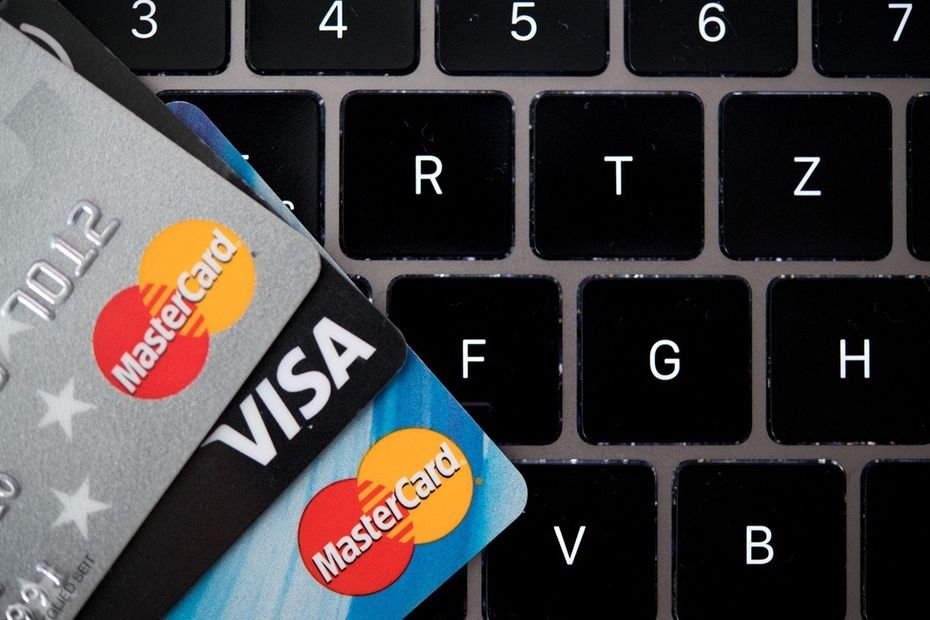
A landmark decision by Belgium's Court of Cassation shifts the financial burden of phishing scams back to banks, ending years of easy negligence claims.
Interpol seized $293 million and arrested over 5,000 suspects. But a closer look at the data suggests the global scam machine is barely dented.
Discord recently banned thousands of innocent users due to a rogue moderation AI, exposing the fatal flaw of relying on algorithms to police human communities.
A sophisticated new email scam is targeting businesses by hijacking real invoice conversations. Here is how it works and how to protect your team.
The International Committee of the Red Cross has unveiled a digital emblem prototype designed to protect critical medical infrastructure from state-sponsored hackers.
A deep explore IAD's 600 million euro revenue milestone and the regulatory gridlock stifling the housing sector.
New European regulations give security teams just six hours to report major cyber incidents. Here is how autonomous security agents are helping teams survive the pressure.
An artificial intelligence model has detected two major security flaws in Android 17 that grant attackers complete root access.
A hidden, unchangeable identifier built into Windows is rendering commercial VPNs useless for operational security. Here is how it reshapes the cyber threat space.
As generative AI makes convincing disinformation easy to produce, we look at the technologies and strategies being deployed to protect the upcoming French presidential election.
The ICRC wants a digital emblem to protect hospitals from state-backed hackers. But in a world of deniable cyber operations, will a line of code actually stop a missile or a ransomware attack?
When modern banking scams look like a text from your local doctor, recovering lost funds becomes a quiet struggle against system design.