




Unmasking the Kremlin's Hackers: Inside France's New Digital Diplomacy
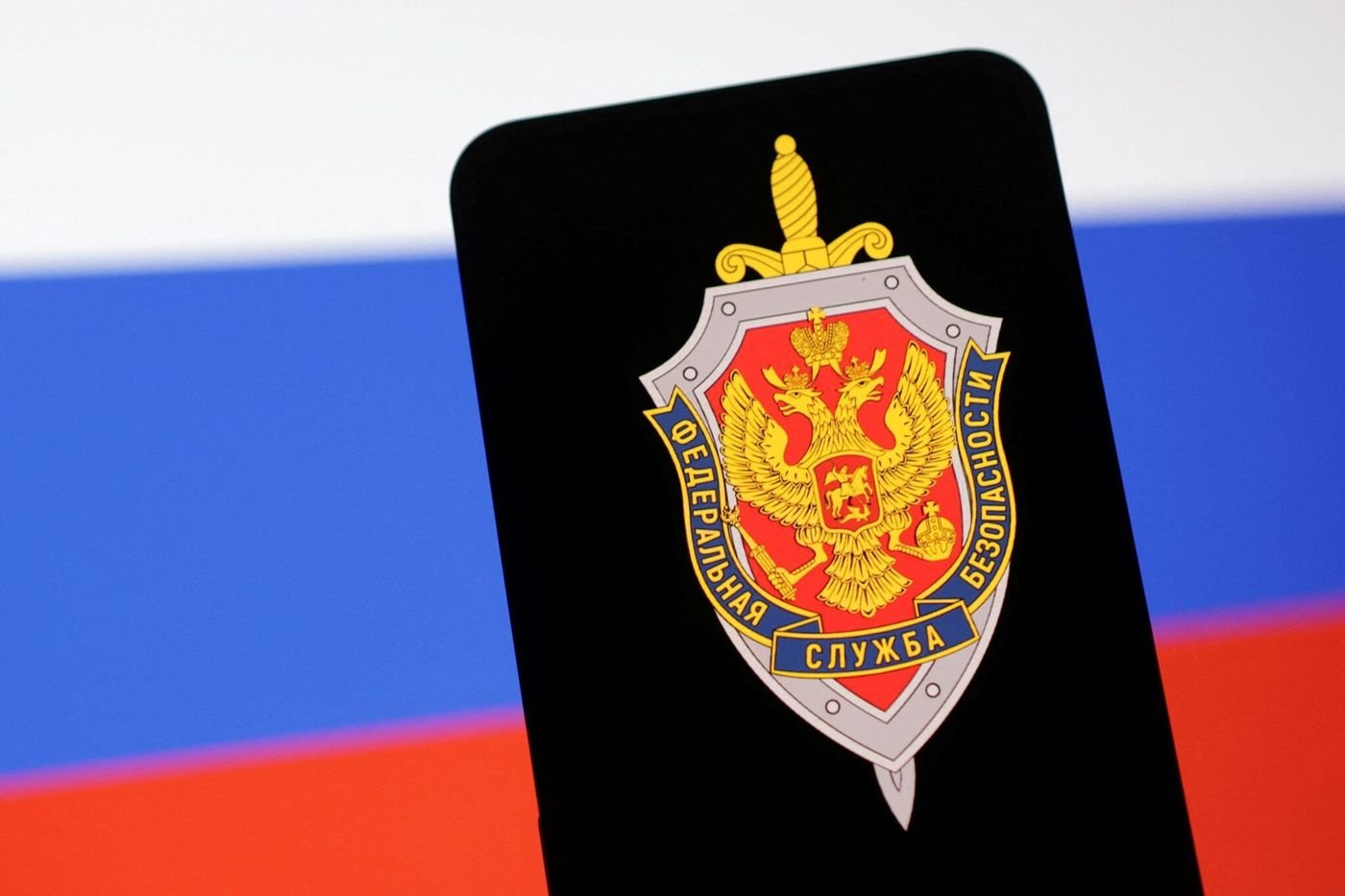
A quiet room in the heart of Paris, lit only by the blue glow of dual monitors. A cybersecurity analyst watches a familiar string of code attempt to slip past a government firewall. For nearly a decade, this digital cat-and-mouse game played out in the shadows, bound by a strict, unwritten code of diplomatic silence. Everyone knew who was holding the keyboard on the other end, but no one said the name out loud.
That silence shattered on a quiet Monday morning when French intelligence officials took to the podium. In a move that shocked the European diplomatic community, France publicly identified the specific Russian military intelligence unit targeting its national infrastructure. It was a digital coming-out party that changed the rules of international cyber espionage forever.
The Name Behind the Code
For years, Western governments dealt with state-sponsored cyberattacks through quiet remediation. They patched systems, quietly warned allies, and sometimes expelled a diplomat under the cover of unrelated political friction. But as the frequency of attacks on hospitals, electrical grids, and voting systems increased, the old playbook began to feel obsolete.
The unit in question, known to researchers by various cryptic codenames but officially tied to Russian intelligence, has been a persistent shadow in French digital airspace. By pointing the finger directly at these specific operatives, France is moving away from vague warnings about "foreign actors" to a strategy of public exposure.
"We are moving from a defensive crouch to a strategy of public attribution, forcing the hackers out of the digital shadows."
This public naming is not just about venting frustration. It is a calculated tactical pivot designed to strip away the anonymity that state-sponsored actors rely on to operate with impunity across borders.
Shifting the Rules of Engagement
When a government names a specific military unit of another nation, it changes the diplomatic calculus entirely. Cybersecurity has long suffered from an attribution problem, where attackers could hide behind layers of proxies and spoofed IP addresses to maintain plausible deniability. France's latest announcement signals that its forensic tools are now sharp enough to pierce that veil with absolute certainty.
This strategy serves multiple purposes for Paris and its allies. First, it alerts local businesses and infrastructure operators exactly what kind of signatures and tactics to look for on their networks. Second, it serves as a warning shot to other hostile groups that their digital identities are not as secure as they believe.
Security experts compare this to shining a searchlight into a dark alleyway. The intruder might not run away immediately, but their job becomes infinitely more difficult when everyone can see their face, their tools, and their exit route.
The Human Cost of the Digital Cold War
Behind the technical jargon of firewalls, server logs, and malware payloads lie real human consequences. The systems targeted by these state actors are the same ones that manage municipal water supplies, schedule life-saving surgeries, and keep the trains running on time. A successful breach of these systems is not a victimless crime; it is an disruption of daily civic life.
French officials hope that by raising the international political cost of these operations, they can deter future incursions. If every attack carries the risk of public exposure, economic sanctions, and international condemnation, the cost-benefit analysis for the attackers begins to shift.
In the corridors of European power, the question is no longer whether to speak out, but who will be named next. The digital curtain has been pulled back, and the actors on stage can no longer hide behind their screens.

Convert PDF to Word — Word, Excel, PowerPoint, Image