




Bio-Adaptive Breach: Why the New Generation of AI Worms Mimics Natural Evolution
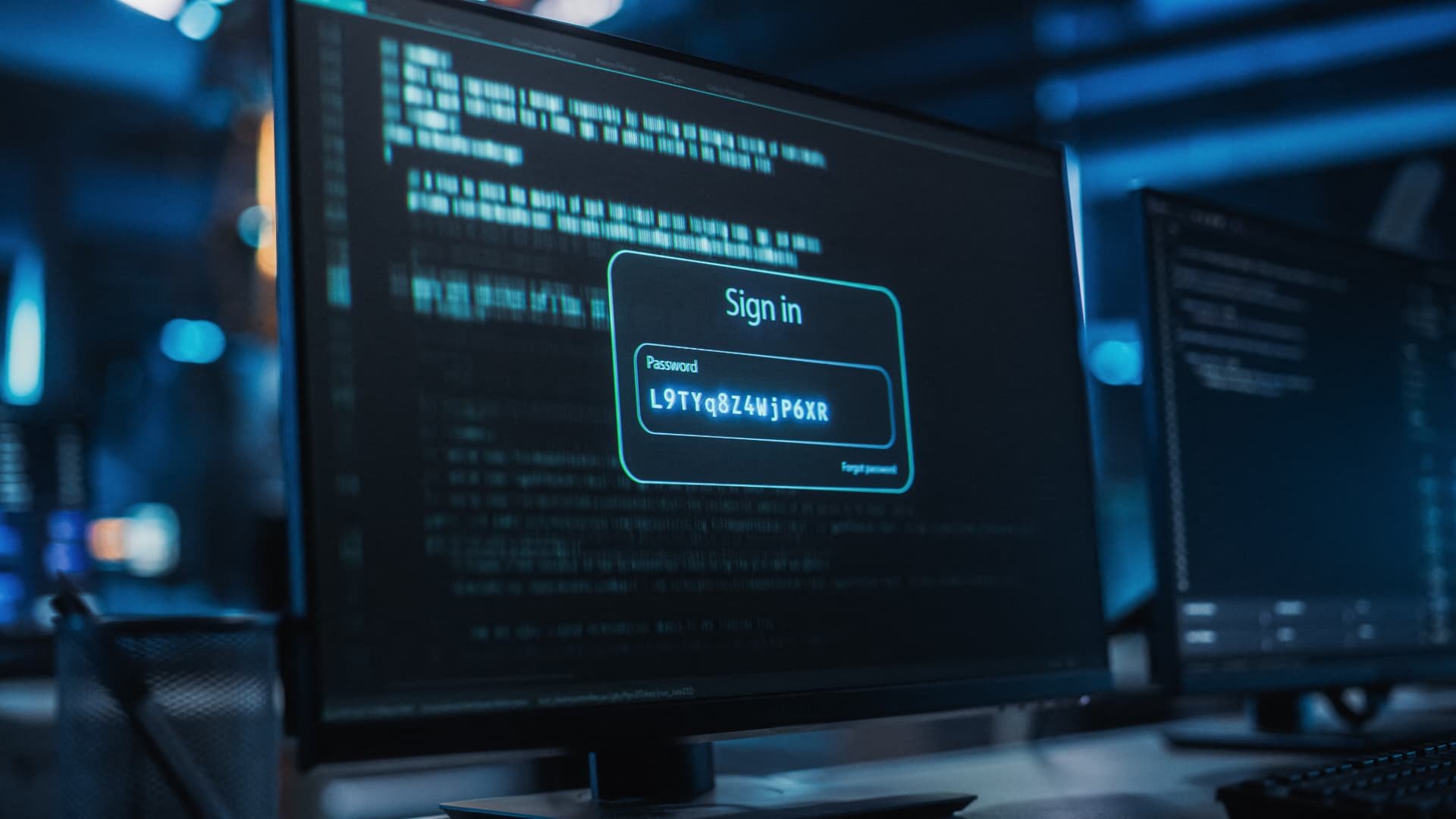
The Symbiotic Predator: When Code Borrows from Biology
In the late 19th century, the phylloxera aphid nearly decimated the vineyards of Europe. It didn't just consume the vines; it adapted to the specific soil and climate of each region, outmaneuvering traditional agricultural defenses by evolving faster than farmers could react. We are seeing a digital mirror of this biological tenacity emerge in the laboratories of the University of Toronto.
Researchers there have successfully demonstrated a prototype computer worm powered by a compact large language model. Unlike historical malware, which arrives with a fixed instruction set, this entity possesses a rudimentary form of agency. It does not wait for a command-and-control server to provide updates; instead, it observes its immediate environment and rewrites its own behavior to fit the specific vulnerabilities it finds.
The era of 'signature-based' security is effectively over; we are moving from a battle against tools to a battle against autonomous processes.
The significance lies in the economy of the attack. Historically, malware required a human developer to iterate and deploy new versions. By embedding a small AI engine directly into the payload, the threat becomes localized and self-sustaining. It turns the host's own computational resources against itself, utilizing the victim's CPU cycles to calculate the most efficient path for its next lateral move within a network.
The End of Static Defense and the Rise of Kinetic Security
This shift represents a move from 'static' software to 'kinetic' systems. If traditional malware is a landmine—hidden but stationary—this new breed is more akin to a heat-seeking drone. It can identify patterns in data traffic, mimic the writing style of internal communications, and generate phishing lures that are contextually relevant to the specific office it has infiltrated.
The danger is not just the speed of the attack, but its stealth. Because the AI generates novel code on the fly, it leaves no consistent fingerprint for antivirus software to identify. A security system designed to look for a specific 'blacklisted' sequence of bytes will find nothing, as the worm ensures every iteration of itself is unique. It is the ultimate digital camouflage.
Marketers and developers must rethink the concept of a 'secure perimeter.' In an environment where software can reason its way through a firewall, the focus shifts from building higher walls to developing immune systems. We are entering a phase of cybersecurity where defense must be as autonomous and adaptive as the threats it faces. This creates a computational arms race where the most efficient algorithm—one that can detect anomalies in real-time—wins.
The Computing Tax of Autonomous Malware
Modern organizations are already struggling with the technical debt of legacy systems. The introduction of adaptive malware adds a 'parasitic tax' to every transaction. If a worm is using 5% of a server’s capacity to run its own internal logic and plan its next move, the cumulative effect on global productivity could be staggering. This is no longer just about data theft; it is about the theft of energy and processing time.
Developers are now tasked with building 'zero-trust' architectures at the code level, where every function call and data request is treated as a potential vector. We are moving away from the binary of 'safe' and 'infected.' Instead, we will likely see a future of continuous mitigation, where software monitors itself for signs of internal mutation that ignore established logic protocols.
The phosphorus match once changed chemistry by making fire portable and easy to spark; AI has done the same for digital disruption by making 'intelligence' a portable component of malicious code. Within the next decade, we will look back at the current state of cybersecurity as a quaint period of predictable threats, before the digital world became populated by entities that can think, hide, and evolve in the dark corners of our own servers.

Free PDF Editor — Edit, merge, compress & sign