




The High Cost of Friction: Why Password Security is a Business Logic Problem
The Asymmetry of Digital Defense
Password security is not a technical problem; it is an asymmetry of incentives. For the user, a complex password is a friction point that slows down the user journey. For the attacker, cracking that password is a high-margin business with automated overhead. When experts suggest mixing uppercase letters, numbers, and symbols, they are attempting to increase the computational cost for the attacker. However, this often achieves the opposite by forcing users toward predictable patterns that are easily mapped by brute-force algorithms.
Most corporate security policies are built on the fallacy that complexity equals safety. In reality, requiring a special character at the end of a word leads to a massive increase in the 123! and Password123 patterns. These are the first entries in any modern rainbow table. The strategic failure here is ignoring human psychology. When you force a user to do something difficult, they choose the path of least resistance, effectively lowering the moat you spent millions to build.
The Shift to Entropy and Long-Tail Security
The smartest players in the space are moving away from complexity toward entropy. Length wins over character variety every single time. A twenty-character phrase of random common words is exponentially harder to crack than an eight-character scramble of symbols. This is because the mathematical search space expands horizontally rather than vertically. For a business, encouraging passphrases reduces support tickets related to locked accounts while significantly hardening the perimeter.
- Passphrases over Passwords: Moving the user base toward four-word combinations increases the time-to-crack from hours to centuries.
- Credential Stuffing Protection: Even a strong password is useless if it was leaked in a third-party breach. Companies must invest in real-time monitoring of compromised databases.
- Eliminating Knowledge-Based Authentication: Security questions like "Mother's maiden name" are the weakest link. They are public data points, not secrets.
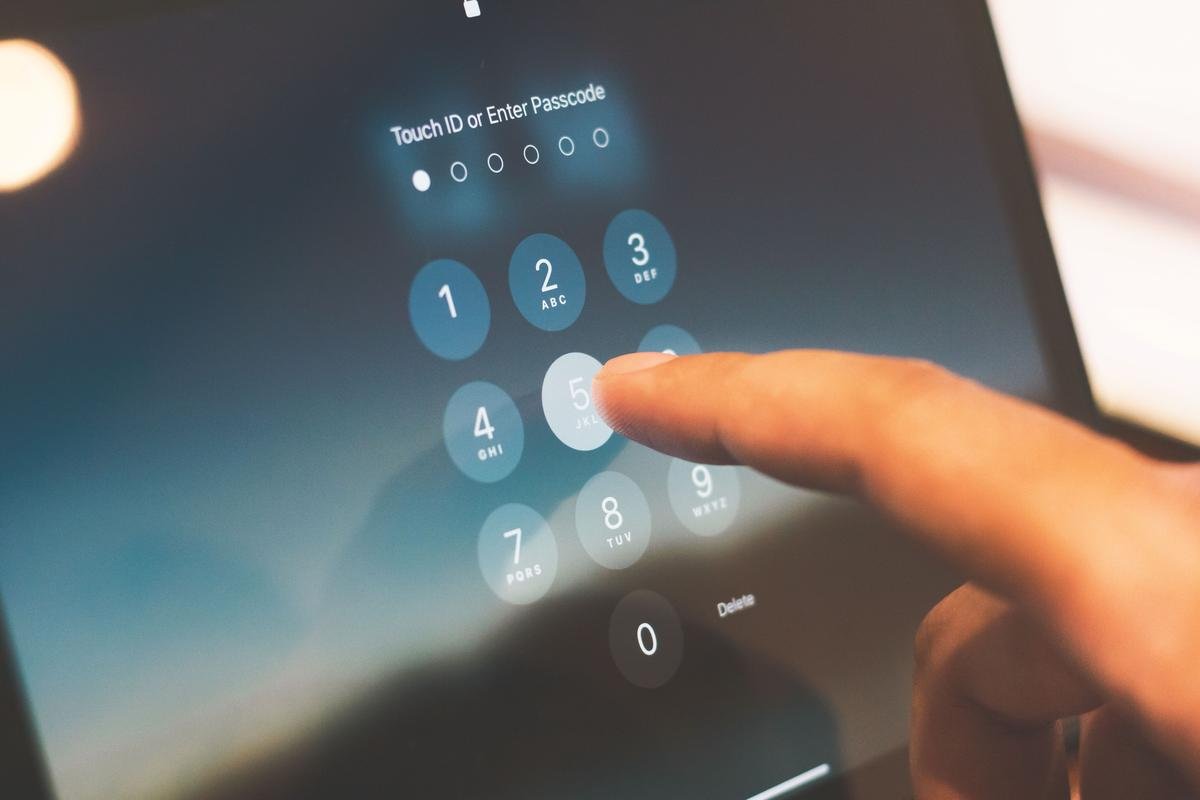
We are seeing a massive enterprise shift toward Passwordless Authentication and FIDO2 standards. The goal is to remove the human element entirely. Biometrics and hardware keys turn a digital secret into a physical possession. This changes the unit economics for the attacker; they can no longer sit in a basement in Eastern Europe and script a million attempts. They must physically possess the device, which does not scale.
"The most secure password is the one the user never has to remember, because if they know it, the hackers can eventually find it too."
Who Wins the Identity War?
The winners in this shift are the Identity-as-a-Service (IDaaS) providers. Companies like Okta, Microsoft, and specialized startups are capturing the value by becoming the gatekeepers of the enterprise stack. They aren't just selling security; they are selling reduced friction. By centralizing identity, they allow organizations to implement multi-factor authentication (MFA) across every app with a single point of failure—which they then harden with billion-dollar R&D budgets.
Small and medium enterprises (SMEs) that refuse to adopt managed identity solutions are essentially volunteering to be the next headline. The cost of a data breach—averaging $4.45 million globally—is a terminal event for many. Paying for a solid identity provider is no longer an IT expense; it is a risk mitigation strategy that protects the balance sheet from catastrophic downside.
My bet: I am betting against any platform that still relies solely on traditional password fields without MFA defaults. In the next 24 months, cyber insurance premiums will become so high that businesses without hardware-backed security or biometric integration will be priced out of the market. The password as we know it is a legacy asset that has become a liability. Invest in the infrastructure that replaces it.
UGC Videos with AI Avatars — Realistic avatars for marketing