




The other Glamzn products
Resources
The other Glamzn products
Resources
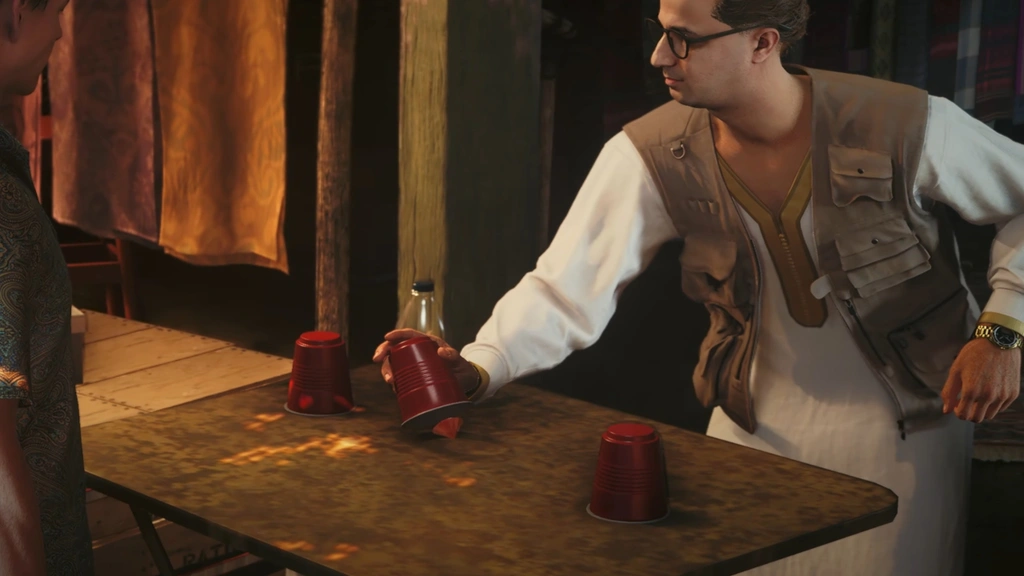
Derrière la chasse au rubis d'Aleph se cache un mécanisme de progression qui interroge sur l'équilibre monétaire du nouveau titre de la DI6.
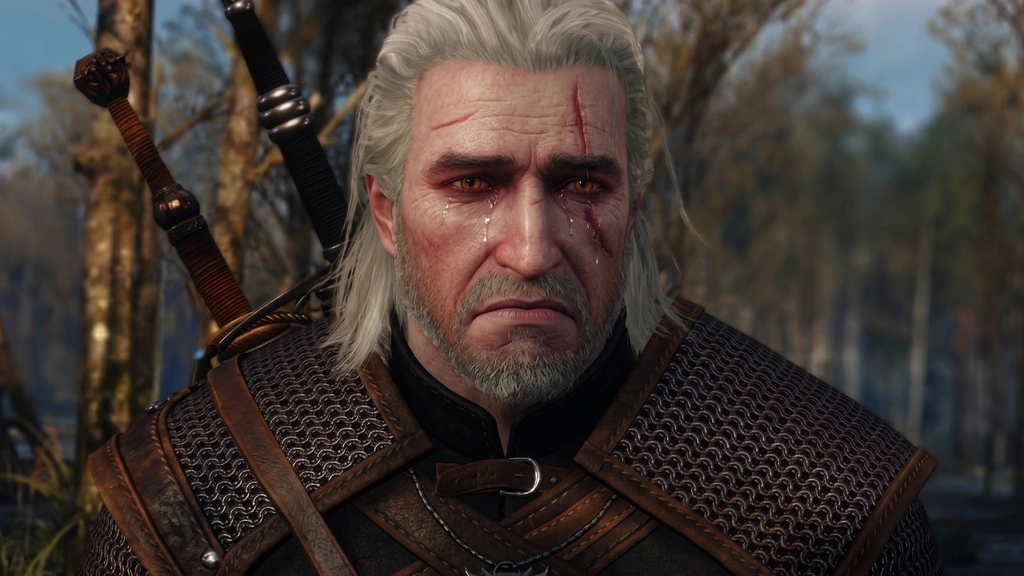
Pourquoi CD Projekt Red tempère l'ardeur des fans sur l'extension The Witcher 3 et ce que cela révèle de leur stratégie de survie post-Cyberpunk.

Le retour d'un classique oublié de la Super Nintendo sur la prochaine console de Big N révèle une stratégie profonde de préservation et de valorisation du patrimoine vidéoludique.
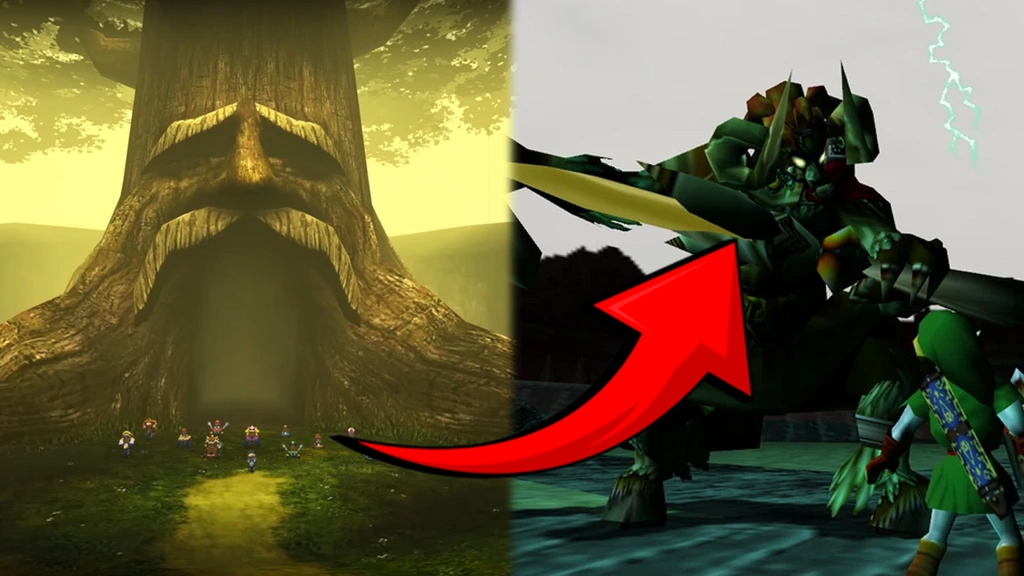
Un speedrunner vient de briser Ocarina of Time en reliant le premier donjon au boss final, révélant une vérité brutale sur la fragilité des systèmes complexes.
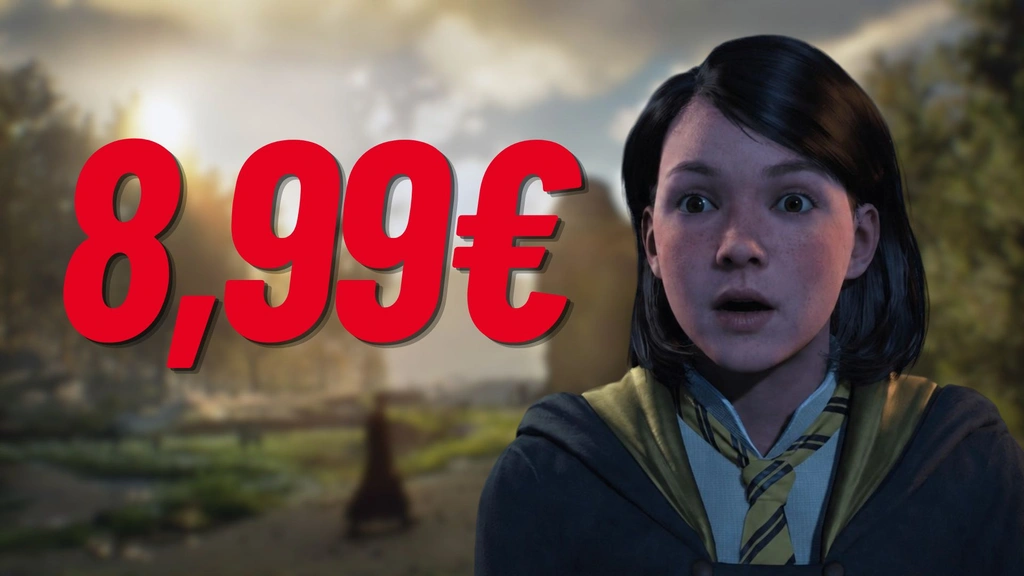
À moins de 10 euros, Hogwarts Legacy devient un produit d'appel irrésistible, mais que nous dit cette braderie sur la valeur réelle du titre trois ans après ?

Alors que Forza Horizon 6 mise sur l'immersion, l'absence d'intégration directe de Spotify soulève des questions sur les accords de licence et l'expérience utilisateur.

Sur le tournage de The Last of Us, un choix de maquillage a transformé l'ambiance, révélant notre rapport complexe à la violence physique à l'écran.

Contre toute attente, un jeu visuellement modeste surpasse Resident Evil Requiem et Forza Horizon 6 dans les notes de la critique.
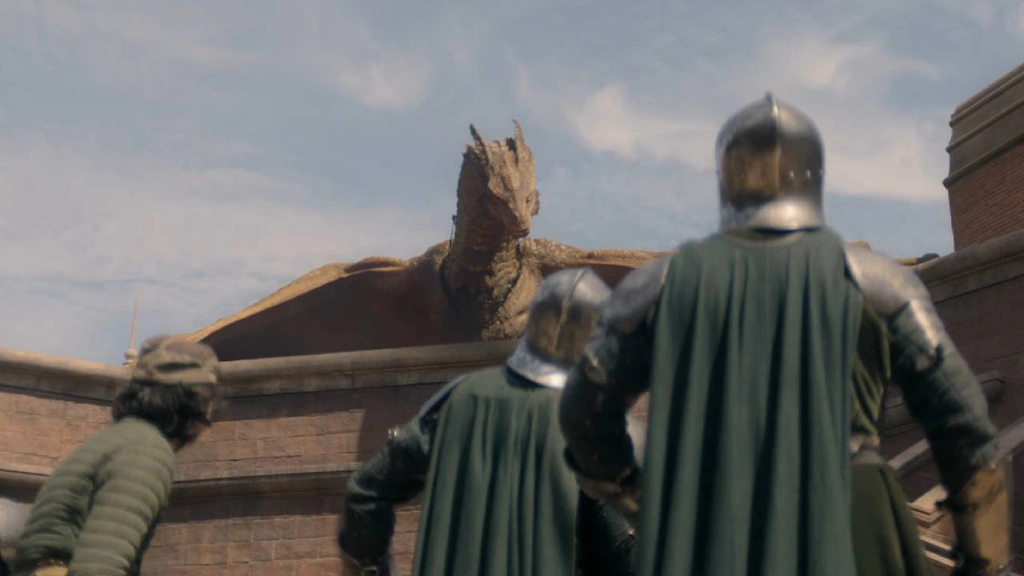
Derrière la promesse d'un affrontement naval titanesque, HBO joue gros avec la Saison 3 de House of the Dragon. Analyse d'une stratégie de surenchère visuelle.
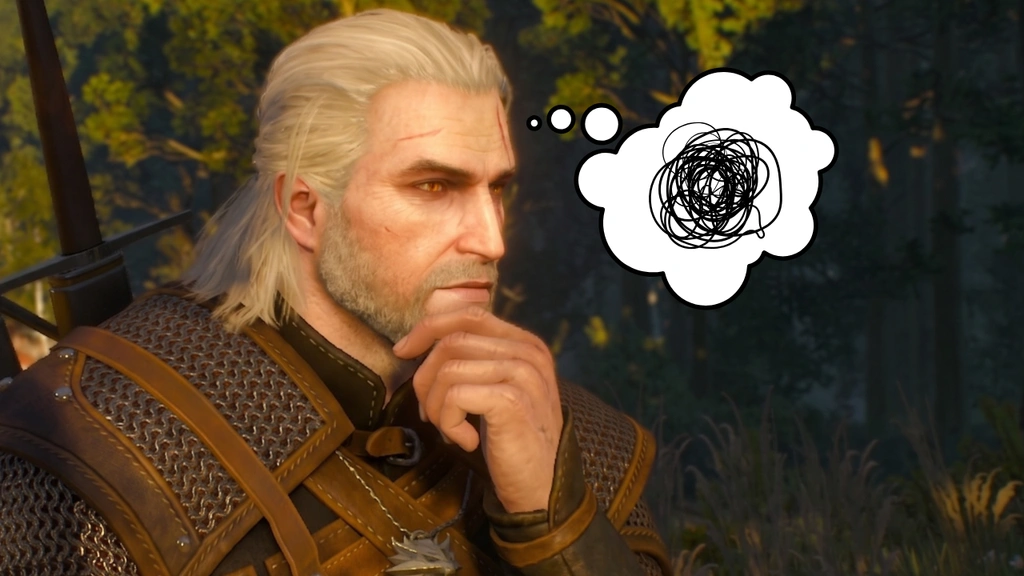
Derrière une simple mise à jour de The Witcher 3 se cache une bataille de mots révélatrice sur les attentes des joueurs et la culture de CD Projekt Red.
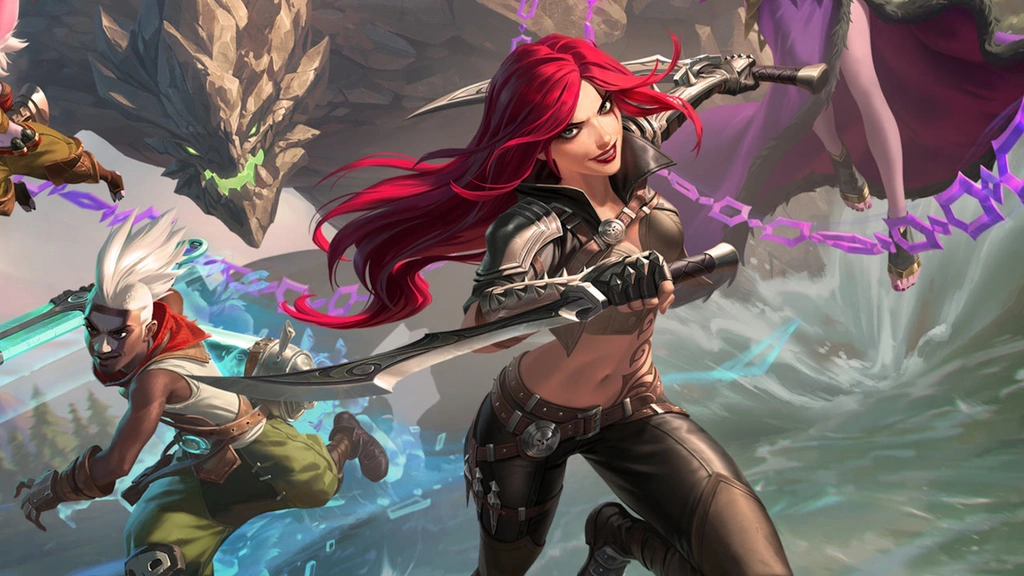
Riot Games confirme le retour permanent d'un mode de jeu compétitif attendu depuis une décennie, marquant un virage stratégique pour League of Legends.
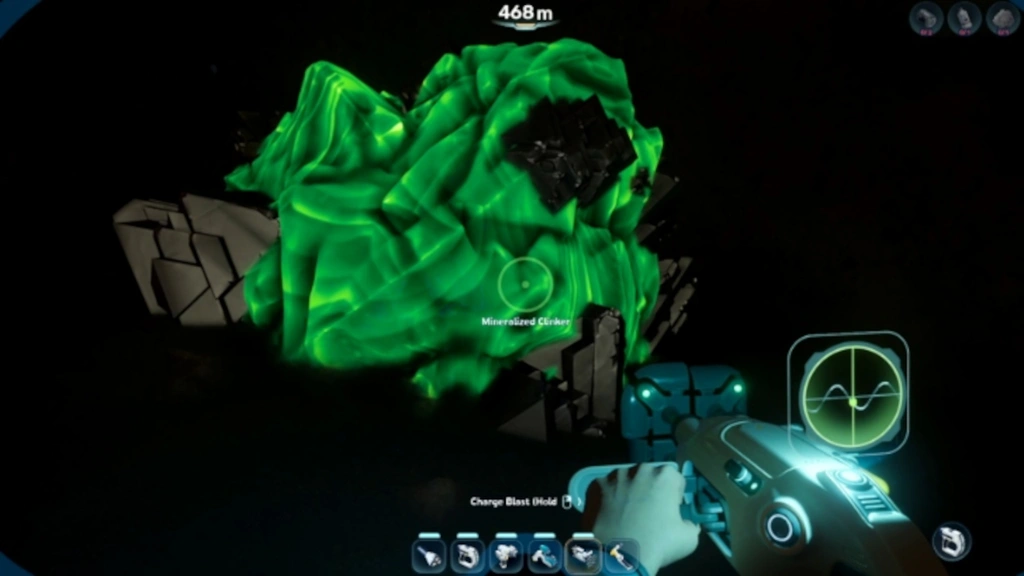
Plongée au cœur des mécanismes de culture métallique, là où la rareté de la troïlite redéfinit notre rapport à l'écosystème numérique.