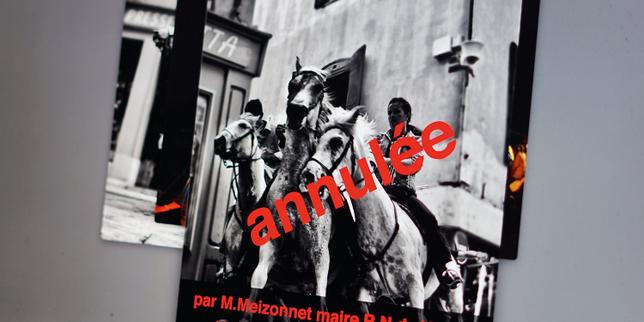
The Policy of Erasure
The recent administrative pivot in Vauvert isn't a fiscal correction; it is a calculated aesthetic purge. By immediately axing a photography exhibition and a long-standing jazz festival, the new Rassemblement National leadership under Nicolas Meizonnet has signaled that their arrival is less about governance and more about controlled narrative. They aren't trying to balance the books. They are trying to decide what the public is allowed to see, hear, and celebrate.
This isn't particularly surprising, but it remains profoundly short-sighted. Culture is the lifeblood of a local economy, providing the friction and flavor that prevents a town from becoming a mere bedroom community. When a municipal government treats art as a discretionary luxury that can be discarded to score political points, they betray a fundamental misunderstanding of how communal identity is built.
The cancellation of these events serves as a stark warning to the local creative ecosystem. It suggests that support is now conditional on ideological alignment. This creates a chilling effect that extends far beyond a single gallery wall or concert stage.
Institutional Insecurity and the War on Books
The tension has now reached the doorstep of Au diable vauvert, a localized publishing house that has long punched above its weight. Their concern is not unfounded. In the eyes of an administration obsessed with homogeneity, an independent publisher is not an asset; it is a liability. It represents a source of discourse that the town hall cannot directly curate or suppress through simple budgetary vetoes.
A peine élu, l’édile Rassemblement national... a fait annuler l’exposition d’un photographe et un festival de jazz.
This immediate hostility toward established programs highlights a common trait in populist local governance: the need to destroy existing social capital to replace it with something more compliant. It is the architectural equivalent of tearing down a historic theater to build a parking lot, then wondering why nobody visits the town center anymore.
By targeting jazz and photography, the administration is attacking mediums that are inherently international and expressive. These are not 'safe' traditionalist hobbies. They are windows into broader perspectives, which is exactly why they were the first items on the chopping block. Control over the local calendar is the first step toward control over the local mind.
The Economic Cost of Ideological Purity
Founders and developers often ignore local politics until the permits stop flowing, but the 'vibe' of a location is a primary factor in talent retention and business growth. If Vauvert becomes a cultural desert, it will struggle to attract the very demographic it needs to modernize its economy. Nobody moves to a town where the only sanctioned entertainment is a municipal newsletter.
The local associations are rightfully panicked. These organizations operate on thin margins and long-term trust. When a new mayor treats these partnerships as disposable, the damage takes a generation to repair. It isn't just about the lost festivals; it is about the destruction of the volunteer networks and professional expertise that made those events possible in the first place.
If this trend continues, we will see a talent drain from the Gard region. Creative professionals and young families do not stay in environments where the civic identity is defined by what is forbidden rather than what is created. Meizonnet is trading long-term vitality for short-term dominance. It remains to be seen if the residents of Vauvert find that a fair exchange. In the meantime, the town serves as a cautionary tale: when the politicians start picking the playlist, the music has already died.