







Your Smartphone is Shouting Your History to Every Street Corner
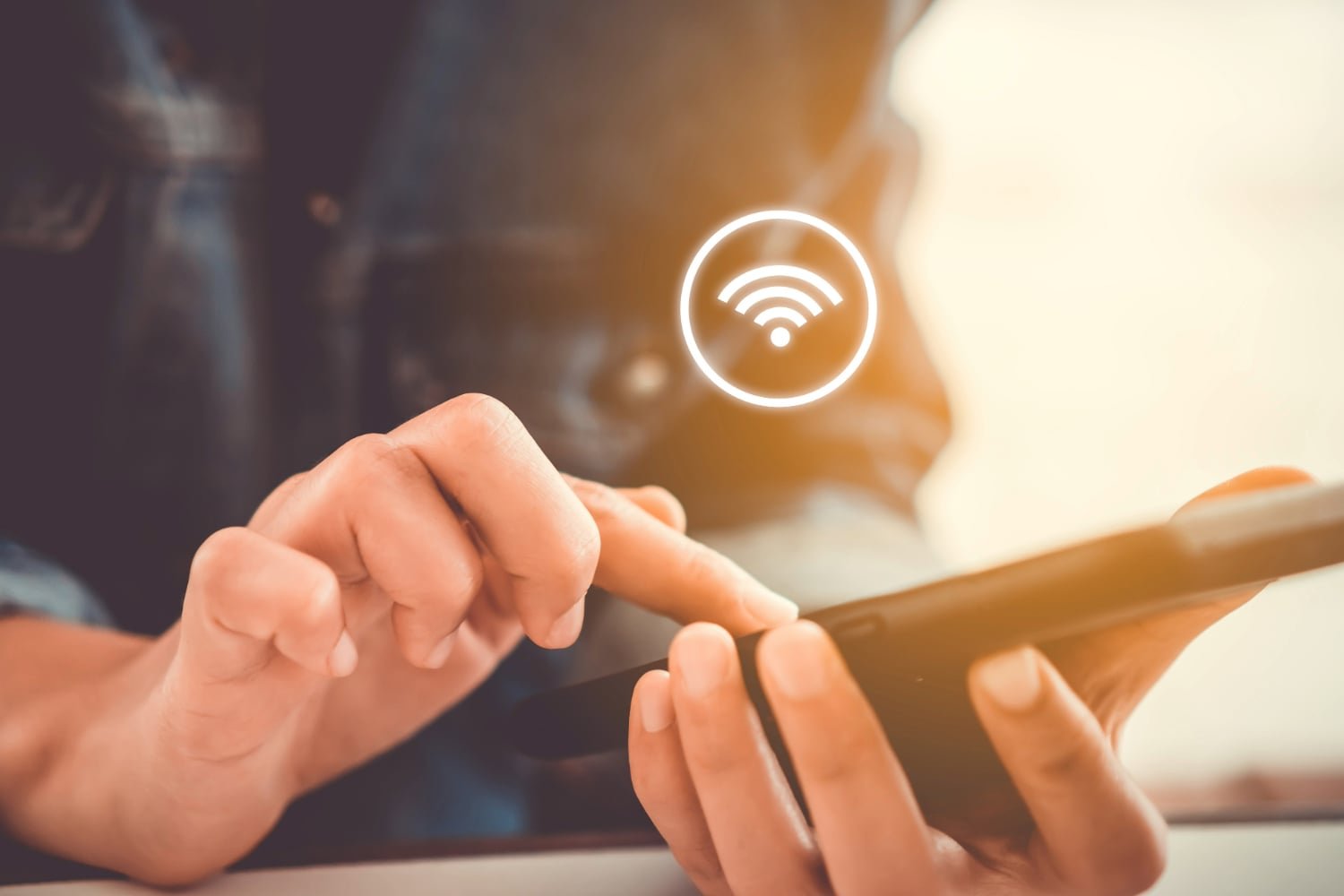
The Invisible Broadcast of Your Digital Footprint
Most people treat their Wi-Fi toggle like a 'set it and forget it' utility, assuming the phone is smart enough to manage its own connections. They are wrong. When you leave your house with Wi-Fi enabled, your device doesn't just sit quietly; it actively screams the names of every network you have ever connected to, looking for a familiar handshake.
This behavior is a relic of a more innocent age of networking, but in a dense urban environment, it is a liability. Your phone is effectively walking down the street handing out a list of your favorite coffee shops, your office location, and your home address to anyone with a twenty-dollar antenna and a bit of curiosity. The convenience of auto-connecting to a hotspot is no longer worth the cost of this constant data leakage.
Security researchers have warned about this for years, yet the major mobile OS vendors continue to prioritize 'seamless connectivity' over fundamental privacy. By keeping that antenna active, you are allowing your device to be tracked with terrifying precision without ever actually joining a network. It is time to treat the Wi-Fi toggle as a manual security gate rather than a background service.
The Honeypot Problem and Man-in-the-Middle Attacks
The primary threat isn't just being tracked; it is being actively intercepted. Malicious actors frequently set up 'Evil Twin' access points—routers configured to broadcast the name of a common public network like 'Starbucks_WiFi' or 'Airport_Free_Wifi.' Because your phone is programmed to trust these names, it will often connect automatically without notifying you.
Public Wi-Fi networks are the wild west of the internet, where every packet of data can be inspected or redirected by the person running the router.
Once you are on a rogue network, the attacker can perform man-in-the-middle attacks, stripping away encryption or redirecting you to phishing pages that look identical to your banking login. Even if you think your apps are secure, the sheer volume of metadata your phone leaks the moment it connects to an untrusted source is enough to build a frighteningly accurate profile of your digital life.
Disabling Wi-Fi when you step out the door isn't just about saving five percent of your battery life; it is about closing the front door to your personal data. While Apple and Google have implemented some MAC address randomization to mitigate tracking, these measures are frequently bypassed by more sophisticated hardware. The only foolproof solution is to turn off the radio entirely.
The Myth of the Smart Toggle
Software developers love to promise that the system will handle everything for us. They tell us that iOS or Android will intelligently disable Wi-Fi when we move away from known locations, but these features are often buggy or delayed. Relying on an algorithm to protect your privacy is a lazy habit that eventually leads to a breach.
Developers and founders should be particularly wary. If you are handling sensitive client data or proprietary code, your mobile device is a high-value target. A single accidental connection to a compromised hotspot at a tech conference or an airport lounge can compromise your entire credential chain. The effort required to swipe down and tap a button is negligible compared to the weeks of cleanup required after an identity theft.
We need to stop viewing Wi-Fi as a persistent layer of the atmosphere and start seeing it for what it is: a direct cable into our private lives. If you wouldn't let a stranger plug a USB drive into your laptop, why would you let a random router in a shopping mall plug into your phone's network stack? Make the manual toggle a habit, or prepare to find out exactly how much your data is worth on the open market.
Planificateur social media — LinkedIn, X, Instagram, TikTok, YouTube