







Why AI-Driven Phishing is Exploding and How to Protect Your Infrastructure
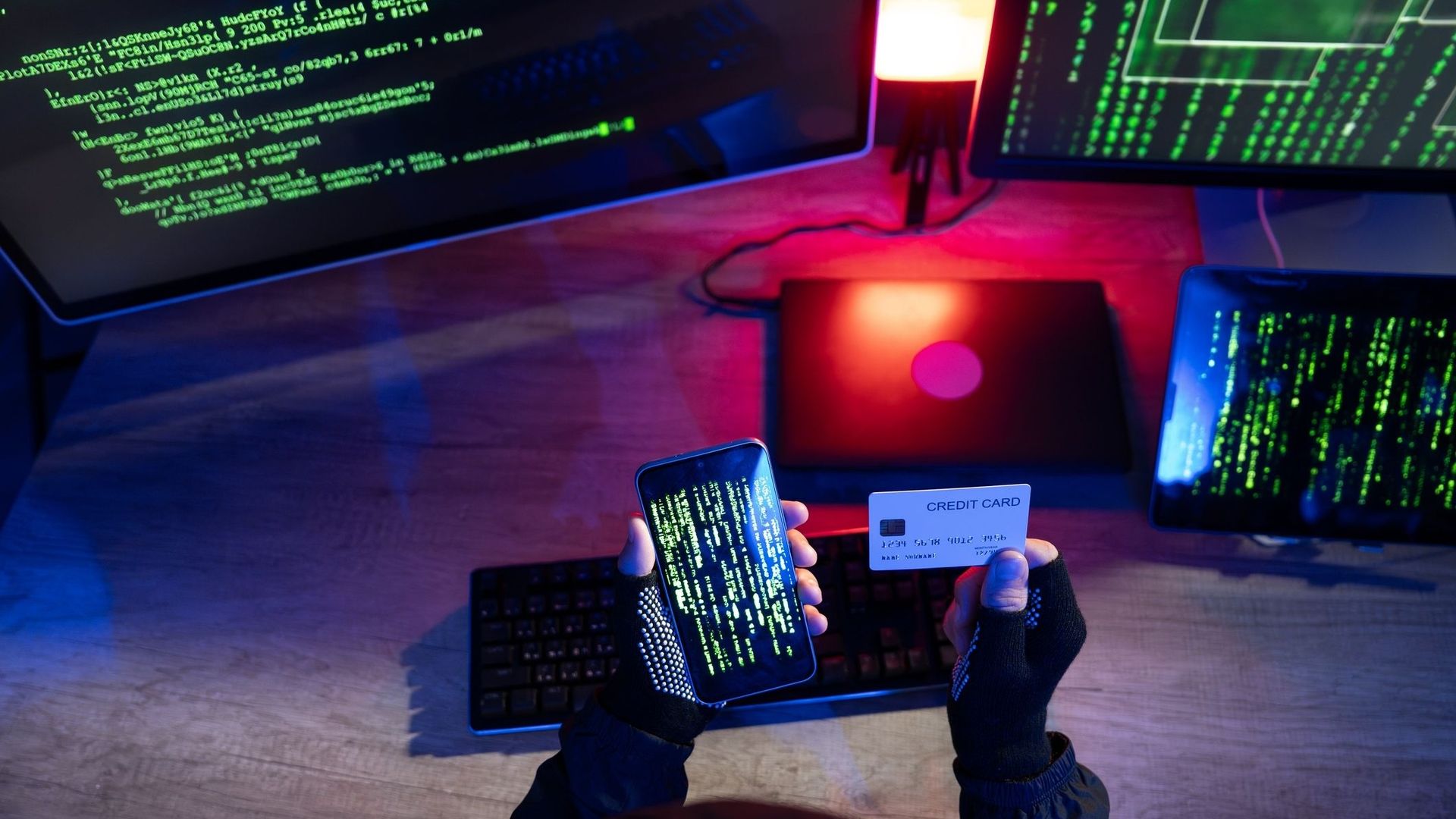
Why should you care about 40,000 daily phishing attempts?
If you manage a user base or a corporate network, the scale of current social engineering is no longer a peripheral concern. In Belgium alone, reports have surged to over 40,000 per day. This isn't just a spike in volume; it represents a fundamental change in how attackers operate. The barrier to entry for creating convincing, localized fraud has dropped to nearly zero.
For developers and founders, this means your users are being targeted with high-velocity campaigns that bypass traditional spam filters. When an attacker can generate thousands of unique, grammatically perfect messages in seconds, your static security rules become obsolete. You aren't just defending against a script; you are defending against automated, adaptive social engineering.
How is AI scaling these attacks?
The primary shift involves the removal of the 'language barrier.' Historically, phishing was easy to spot due to broken syntax or poor translation. Attackers now use Large Language Models (LLMs) to produce natural, persuasive text in any language, including specific dialects. This makes the messages indistinguishable from legitimate corporate communications.
- Automation of Personalization: AI can scrape public data to tailor messages to specific industries or roles at scale.
- Deepfake Integration: We are seeing an increase in audio and video spoofing to verify fraudulent requests, making 'CEO fraud' more effective.
- Rapid Iteration: If a specific template gets flagged, an AI can generate ten variations in seconds to keep the campaign alive.
The speed of these attacks means that by the time a security researcher analyzes a sample, the attacker has already moved on to a new iteration. Your defense strategy cannot rely on manual blacklisting or reactive measures alone.
What are the practical steps for your team?
Security is a process, not a product. To protect your platform and your employees, you need to move beyond basic password requirements. Start by implementing FIDO2 or WebAuthn standards for multi-factor authentication. These hardware-backed methods are resistant to phishing because they bind the credential to the specific domain, preventing a user from accidentally providing a code to a fake site.
Review your internal communication protocols. If a high-stakes action—like a wire transfer or a database export—can be triggered via a single email or Slack message, your process is broken. Establish 'out-of-band' verification for sensitive operations. This means requiring a secondary confirmation through a different communication channel that hasn't been initiated by the requester.
Educate your team on 'prompt injection' and other AI-specific risks. Developers should be wary of copying code snippets from untrusted sources or feeding proprietary logic into public AI tools. Data leaks often provide the exact context an attacker needs to craft a perfect phishing lure.
What should you watch for next?
Keep an eye on the rise of 'quishing' (QR code phishing). Since QR codes hide the destination URL from the naked eye and many automated scanners, they are becoming a preferred method for delivering malicious payloads to mobile devices. Ensure your mobile security policy accounts for this vector.
Audit your logs for unusual login patterns, especially those originating from known VPN exit nodes or unexpected geographic locations. Automated defense is your best bet against automated attacks. Use Rate Limiting and IP Reputation services to throttle suspicious traffic before it hits your authentication flow.
Videos UGC avec avatars IA — Avatars realistes pour le marketing