







The White House Quietly Validates Offensive Cyberwarfare as a Routine Policing Tool
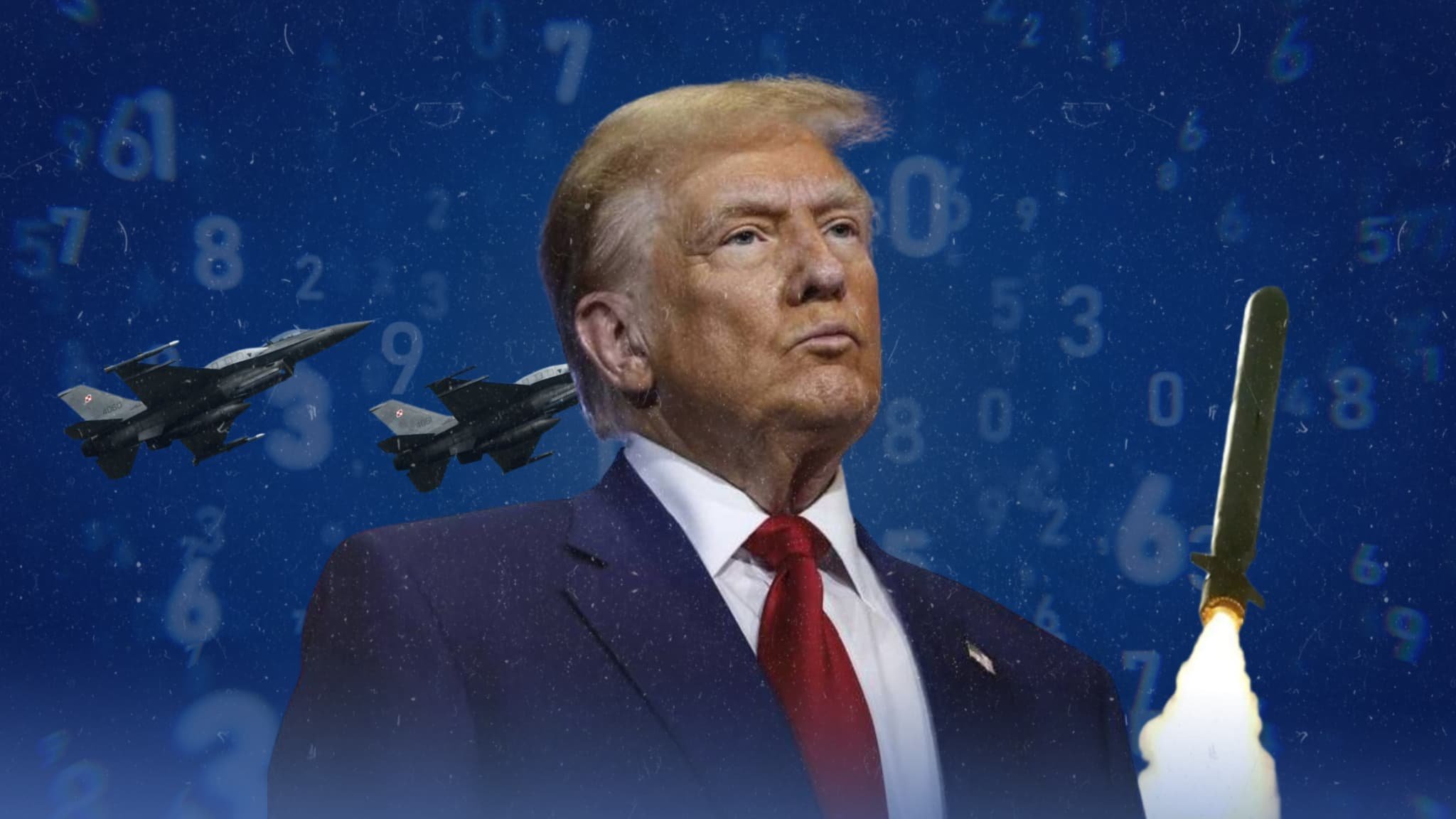
The Elastic Definition of Digital Defense
For years, the United States maintained a public stance of defensive posture in the digital space, focusing on resilience and hardening infrastructure. A newly revealed strategic document from the White House suggests that facade has finally been discarded. The administration is now explicitly integrating offensive cyber operations into its counterterrorism toolkit, moving beyond traditional surveillance into active sabotage and disruption.
The shift is characterized as a necessity to combat narcoterrorists, Islamist groups, and foreign actors like Iran. However, the inclusion of violent left-wing extremists alongside established foreign terrorist organizations raises immediate questions about scope creep. By placing domestic political movements on the same target list as international drug cartels, the government has created a flexible framework for digital intervention that lacks clear boundaries.
This policy change is not merely a technical update; it is a declaration of intent to use code as a weapon of first resort. While the public narrative centers on stopping imminent threats, the underlying architecture allows for the systematic dismantling of digital infrastructure belonging to any group deemed a threat to national stability.
The Expansion of the Target List
The updated strategy broadens the definition of who can be targeted by American cyber-arsenals. Historically, offensive operations were reserved for high-stakes geopolitical standoffs or active battlefield scenarios. Now, the mandate covers a spectrum of actors that includes decentralized criminal networks and ideological dissidents.
The United States will use all instruments of national power, including offensive cyber capabilities, to disrupt, degrade, and dismantle the infrastructure used by terrorist organizations and their supporters.
This official stance overlooks the technical reality that digital infrastructure is rarely isolated. When the state targets the supporters of an organization, the collateral damage often spills into the civilian internet. A server hosting a dissident forum might also host a dozen small businesses, yet the new strategy provides little transparency on how these risks are weighed against intelligence goals.
Furthermore, the focus on left-wing extremists suggests a move toward monitoring and neutralizing domestic ideological friction under the guise of counterterrorism. By labeling political activists as targets for offensive hacking, the administration bypasses the traditional legal hurdles associated with domestic law enforcement, utilizing the more permissive rules of engagement found in cyberwarfare.
The Accountability Void
Offensive cyber operations are inherently opaque, conducted in the shadows of the intelligence community with minimal public oversight. Unlike a physical raid or an indictment, a digital disruption can be executed with plausible deniability. This lack of a paper trail makes it nearly impossible for the public to know if the power is being used to stop a bomb or simply to silence a problematic political movement.
Financial flows are the true drivers of this expansion. The defense industry is pivoting toward automated offensive tools that can map and exploit vulnerabilities at scale. As these tools become more accessible to federal agencies, the pressure to use them increases. We are seeing the birth of a permanent digital offensive state, where the distinction between wartime military action and peacetime policing has effectively evaporated.
The success of this shift will not be measured by the number of thwarted attacks, a metric the government rarely shares in detail. Instead, it will be determined by whether the judicial system can establish a check on these powers before they become a standard method for managing domestic dissent.
Createur de films IA — Script, voix et musique par l'IA