







The Voltage Gap: Why Physical Infrastructure is the New Software Bug
The Anatomy of Modern Fragility
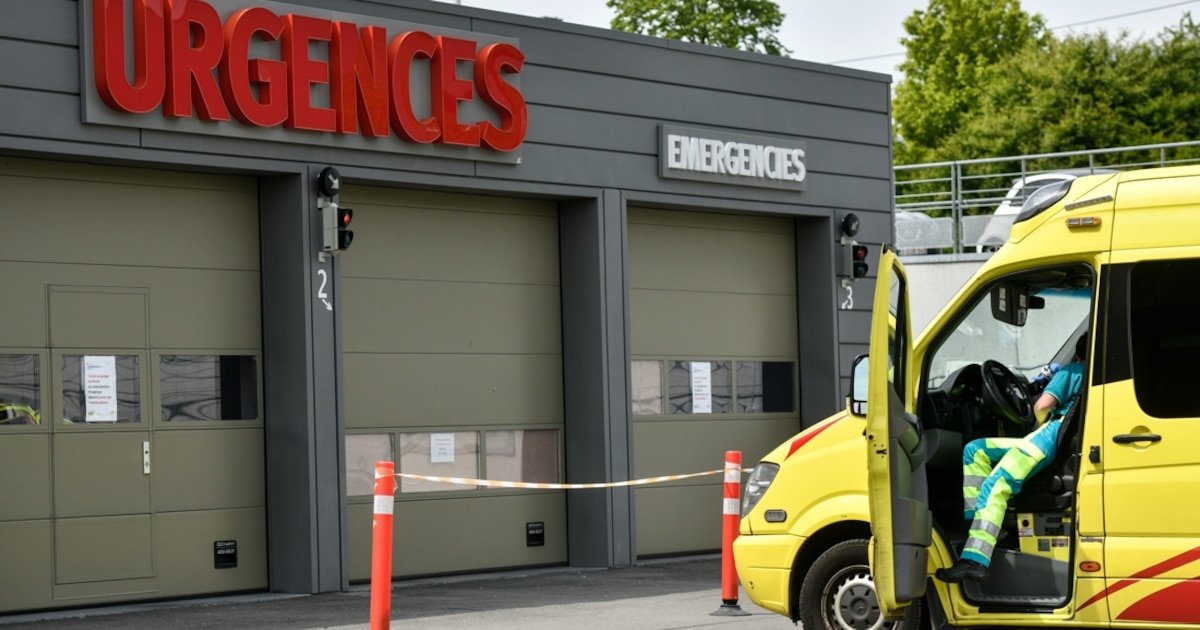
In the late 19th century, the reliability of a city could be measured by its water pressure. Today, that barometer has shifted to the continuous, rhythmic delivery of electrons. When the AZ Monica hospital in Deurne experienced a critical power failure this week, it was not merely a local operational glitch. It was a stark reminder that our most sophisticated digital systems are tethered to aging physical grids that operate on a different temporal scale than the software running atop them.
Healthcare has spent the last decade digitizing the patient experience, moving from paper charts to real-time telemetry. Yet, this digital ascension assumes a layer of physical stability that is increasingly under threat. At AZ Monica, the immediate pivot to prioritizing vulnerable patients reflects a crisis management protocol that belongs to the pre-industrial age, even as the machines being powered represent the pinnacle of human ingenuity.
The paradox of modern infrastructure is that as our software becomes more resilient through redundancy, our hardware becomes more vulnerable through centralization.
Consider the dependencies: a digital health record is useless if the server rack loses cooling; a robotic surgical suite is an expensive sculpture without a steady current. We are building a cathedral of data on a foundation of 20th-century copper and transformers.
From Redundancy to Resilience: The Decoupling of Energy
The incident in Deurne underscores a growing trend in urban strategy: the necessary decoupling of critical facilities from the general grid. For years, backup generators were seen as a 'break glass in case of emergency' insurance policy. We are moving toward a period where hospitals and high-stakes facilities must operate as sovereign energy islands, utilizing microgrids and long-duration storage to mitigate the instability of the broader network.
Founders in the climate-tech space often focus on generation—solar, wind, and fusion—but the real opportunity lies in the orchestration of the 'last mile' of power within the building. Smart switching and autonomous energy management are no longer luxury additions for green buildings. They are the new firewalls. If your code can fail-over to a different cloud region, your physical facility must eventually be able to fail-over to a different energy state without human intervention.
We have spent trillions making the internet 'always on' by distributing data across the globe. We have not yet applied that same philosophy of distributed resilience to the physical structures where that data matters most. The friction at AZ Monica is an early signal of the maintenance debt we are about to pay.
The Liability of Connectivity
There is a hidden cost to the hyper-connected hospital. In a legacy ward, a blackout meant working by flashlight. In a modern ward, a blackout can mean a total loss of visibility into a patient's vital signs from a central station. This move from local to networked monitoring increases efficiency by 10x but increases the impact of a single point of failure by 100x. Marketers often sell the benefit of the 'connected enterprise' without auditing the fragility that connectivity creates.
We are entering an era of 'physical-first' security. For developers, this means designing systems that degrade gracefully. A healthcare app that requires a 5G connection to function is a liability during a local infrastructure collapse. The future belongs to edge-computing architectures that can survive the 'dark' periods that are becoming more frequent as our energy demands outpace our grid updates.
Five years from now, the distinction between a 'tech company' and a 'utility provider' will blur, as every critical service provider realizes they must own their energy supply to guarantee their digital uptime.
Chat PDF avec l'IA — Posez des questions a vos documents