







The Visual Phishing Pivot: Why Generative AI is the New Frontline of Trust
The Gutenberg Moment for Digital Deception
In the mid-19th century, the telegraph introduced the concept of 'remote presence,' allowing people to communicate instantly across continents. For the first time, a message could arrive without its sender, stripping away the physical cues—handwriting, paper quality, or personal seals—that humans had used for millennia to verify identity. We are presently experiencing an inverse of this historical moment. As text-based phishing becomes easier to detect through automated filters, malicious actors are reintroducing the visual element to bypass our cognitive defenses.
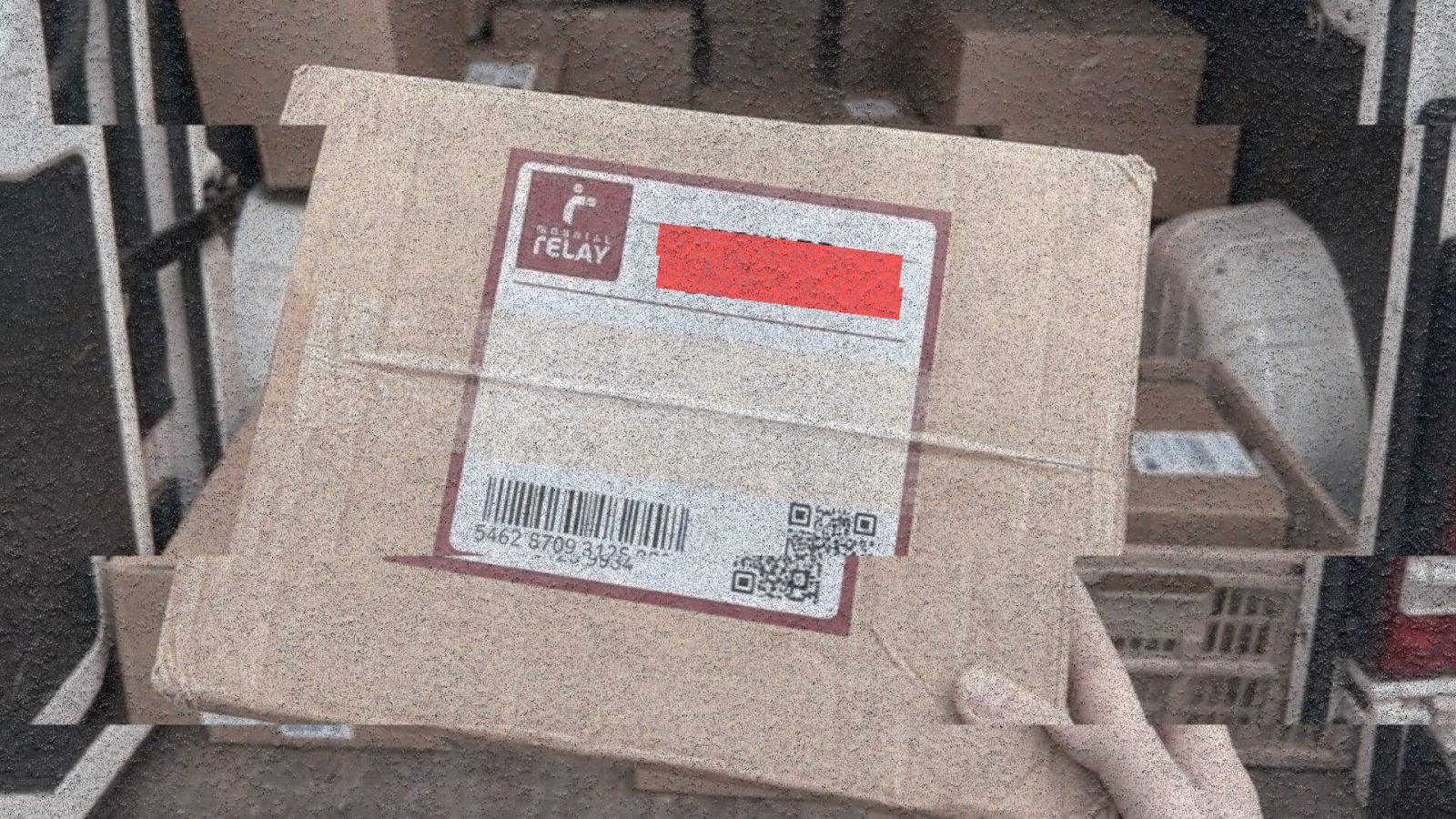
Recent waves of SMS-based fraudulent activity in France reveals a sophisticated evolution in the social engineering playbook. The crude, typo-ridden lures of the past decade are being replaced by high-fidelity imagery generated by artificial intelligence. By attaching a synthetic photo of a damaged vehicle or a misplaced parcel, attackers move the battle from the inbox to the amygdala. The brain processes images 60,000 times faster than text, and a visual cue creates an immediate visceral response that short-circuits the skepticism usually applied to a suspicious link.
This is not merely a technical update; it is an optimization of the attention economy. When a user receives a text about a fine, they might hesitate. When they see a realistic photo of a license plate or a generic urban impound lot, the perceived urgency spikes. The image serves as a 'proof of work' that suggests the message is anchored in reality, even though the visual is entirely algorithmic fiction.
From Linguistic Detection to Visual Verification
For years, the primary defense against digital fraud was linguistic analysis. Security software looked for specific keywords, unusual syntax, or known malicious domains. However, generative AI has effectively lowered the cost of 'believability' to zero.
The scarcity of convincing visuals has vanished, turning the human instinct to 'see it to believe it' into a critical vulnerability.
This shift reflects a broader trend toward multimodal deception. As large language models (LLMs) have mastered the art of professional, error-free prose, the red flags of broken English are disappearing. Now, by integrating diffusion models—the technology behind AI art—scammers are creating a cohesive narrative. A text about a missed delivery is no longer just a string of characters; it is a story accompanied by evidence. This tactic targets the cognitive bias known as the 'picture superiority effect,' where people are more likely to remember and trust information presented with an image.
The infrastructure of mobile communication was never designed for this level of content richness. While email providers have spent decades building sophisticated image-scanning protocols, the SMS and RCS protocols remain comparatively porous. Telecom providers are now caught in an arms race, where they must not only filter malicious links but also interpret the context of images that do not exist in any database because they were generated seconds before being sent.
The Erosion of the Shared Reality
As these techniques scale, we are entering a period of 'synthetic skepticism.' In an environment where a realistic photo can be generated for a fraction of a cent, the default human setting will eventually switch from trust to suspicion. This creates a significant overhead for legitimate businesses. A bank or a logistics company that sends a genuine photo of a package to a customer may soon find their messages ignored as users become conditioned to view all visual media as potential vectors for attack.
Marketers and developers must recognize that we are moving toward a zero-trust architecture for human communication. This will likely necessitate a shift toward cryptographically signed media or 'verified sender' frameworks that exist outside the current reach of basic SMS. Individual digital literacy is no longer enough; we are reaching the limits of biological processing in the face of machine-speed deception.
We are witnessing the death of the visual receipt as a trustworthy artifact of the physical world. Within the next five years, every digital interaction will require a cryptographic handshake, as the human eye loses its ability to distinguish between a genuine crisis and a mathematically perfect imitation.
Videos UGC avec avatars IA — Avatars realistes pour le marketing