







The Silent Unraveling of the Ghost Machines
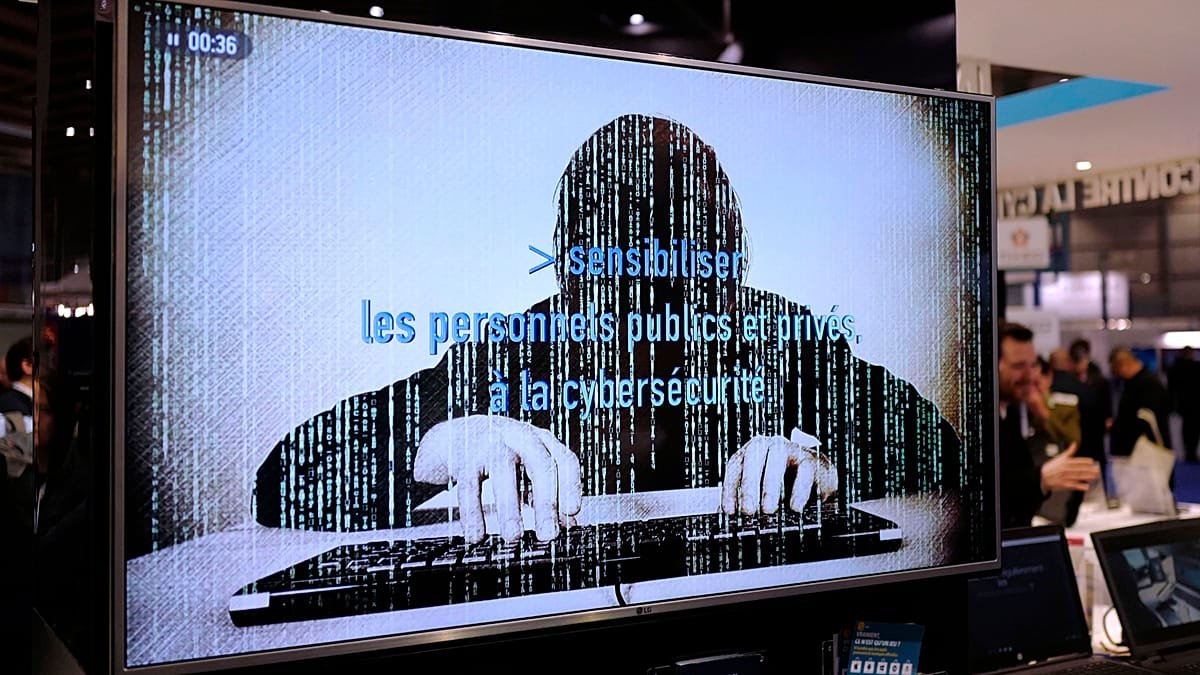
In a small, dimly lit apartment on the outskirts of Nuremberg, a computer terminal flickered with a stream of data that didn't belong to its owner. Hans, a retired music teacher, had no idea his aging desktop was a soldier in a global shadow army. While he slept, his machine was busy whispering to servers in distant time zones, part of a sprawling network of infected devices known as a botnet. When investigators finally pulled the plug on this digital infrastructure this week, Hans didn't notice a thing, but the internet grew a little quieter.
The Architecture of an Invisible Occupation
The recent dismantling of two massive botnets by a coalition of German, American, and Canadian authorities marks a rare moment of clarity in the murky waters of cybercrime. These networks are not composed of supercomputers in high-tech bunkers; they are built from the mundane debris of our digital lives. They live in our smart fridges, our office routers, and the laptops we use to check the weather. By stringing these compromised shells together, distant actors can orchestrate storms of traffic capable of bringing down national infrastructures.
There is a peculiar intimacy to this kind of theft. Unlike a physical burglary, where the loss is immediate and visible, a botnet infection is a parasitic relationship. It’s as if someone is living in your attic, using your electricity and your phone line, but never making a sound, one security researcher remarked during the debriefing. The hardware remains in our homes, but its soul is rented out to the highest bidder on the dark web.
"The scale of these networks suggests that we have built a digital world where the doors are not just unlocked, but entirely missing for those who know where to look."
The takedown operation required a delicate choreography of international law enforcement. It was a hunt that spanned continents, focusing not just on the code, but on the command-and-control servers that acted as the nervous systems for these ghost machines. By seizing these central hubs, the authorities effectively decapitated the networks, turning millions of aggressive digital drones back into harmless household appliances.
The Human Cost of Automated Malice
We often speak of cyberattacks as if they are meteorological events—cloud-based storms that happen to us without agency. Yet, behind every botnet is a group of individuals making calculated decisions about which hospital to freeze or which democratic process to disrupt. The dismantling of these networks reveals the faces behind the keyboards, shifting the focus from the abstract threat of "malware" to the concrete reality of criminal enterprise. The people running these operations rely on our collective tech-illiteracy, counting on the fact that most of us will never check our background processes.
Designers and developers often prioritize convenience over friction, leaving the gates open for these invisible occupations. Every "smart" device added to a home network is a potential recruit for the next botnet. This vulnerability is a side effect of our desire for a seamless life, where every lightbulb is connected and every appliance is reachable from a pocket-sized screen. We have traded the security of the isolated machine for the convenience of the total network, often without realizing the price includes our own computational resources.
As the smoke clears from this particular operation, the digital space remains haunted by the potential for new networks to rise. The code is modular, the methods are documented, and the supply of unsecured devices is virtually infinite. This success is less a final victory and more a temporary reprieve, a moment to breathe before the next shadow army begins to form in the quiet corners of our routers.
Late that evening, Hans sat back down at his desk to search for a piece of sheet music. The machine felt the same, the keys clicked with the same plastic resistance, and the screen glowed with the same familiar light. He was unaware that he had been repatriated, his computer finally his own again, standing alone in the dark as a singular, silent object.
Chat PDF avec l'IA — Posez des questions a vos documents