







The Silent Theft: How 15 Million Digital Identities Slipped Through the Net
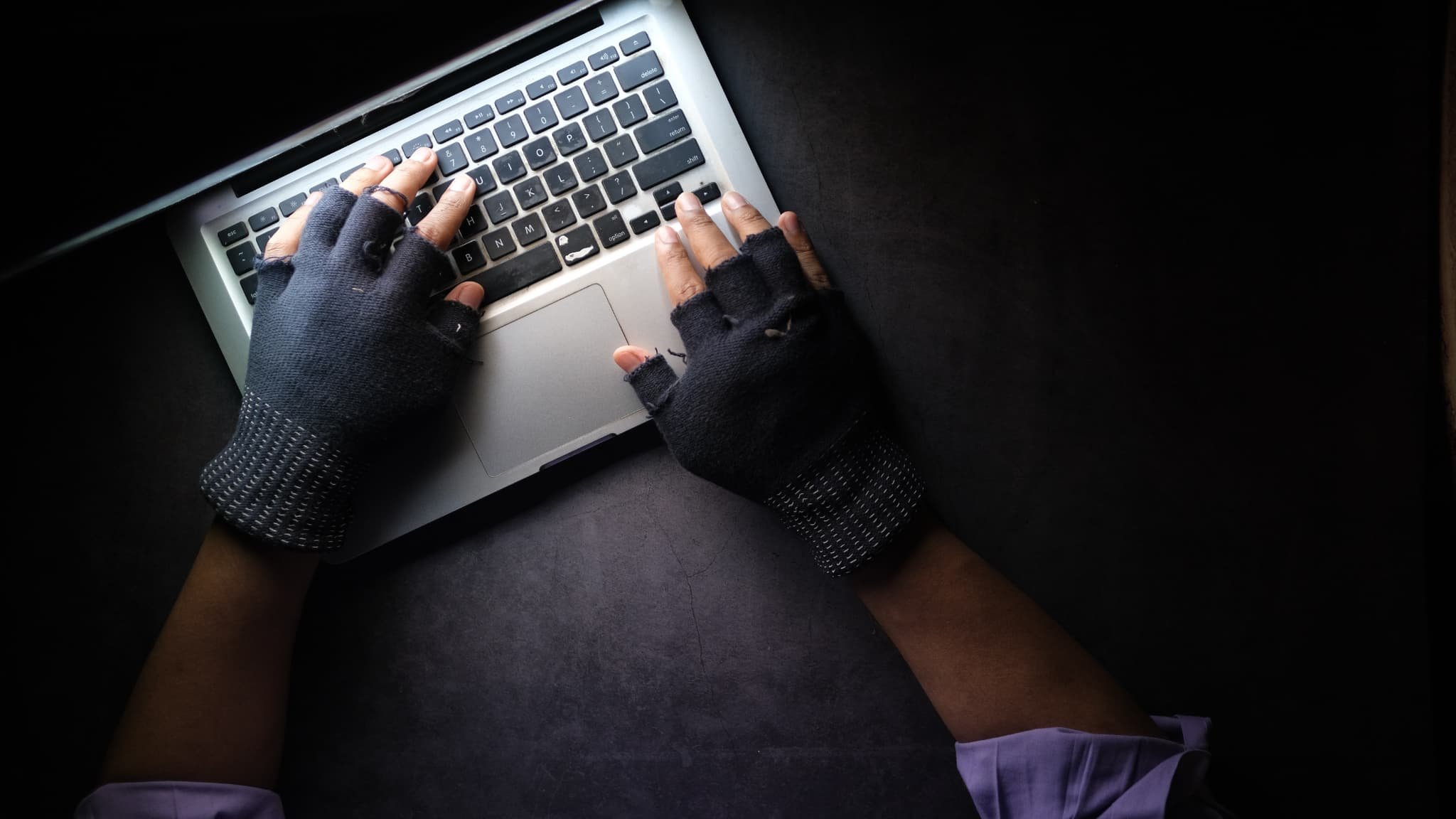
A server room in a nondescript facility hummed with its usual rhythmic drone late last month, unaware that invisible hands were reaching through the firewall. This wasn't a cinematic heist with glass cutters and laser grids, but a surgical extraction of data that defines the lives of millions. By the time the alarms finally triggered, the digital thieves had walked away with a haul that included over 15 million Social Security numbers.
The Anatomy of an Invisible Heist
Almerys, a company that operates as a quiet middleman in the complex world of healthcare payments, now finds itself at the center of a national security crisis. These third-party payment operators are the connective tissue between doctors, insurers, and pharmacies. They sit on mountains of data, making them the most attractive targets for those who trade in identity theft.
Authorities have confirmed that the breach was not just a simple leak but a calculated intrusion. The attackers didn't just stumble upon a folder; they managed to compromise the credentials of healthcare professionals to bypass security layers. It is the digital equivalent of stealing a master key from a janitor to unlock every apartment in a skyscraper.
The digits that make up a Social Security number are more than just a sequence; they are the skeletal structure of a citizen's relationship with the state.
When these numbers are exposed, the damage isn't immediately visible like a broken window or a stolen car. Instead, it is a slow-burn disaster. These identifiers are permanent, unlike a credit card that can be canceled with a single phone call or a password that can be reset in seconds.
A Nationwide Exposure
The scale of the theft is staggering when you consider the demographics of France. With 15 million records compromised, nearly one in four people in the country may have had their most sensitive administrative data harvested. This data doesn't just include the Social Security digits, but often names, birth dates, and the specific insurance contracts that govern their healthcare access.
For the average person, this means a sudden spike in the risk of highly targeted phishing. Scammers can now call a victim and recite their own personal history back to them with terrifying accuracy. They aren't just guessing anymore; they have the script of your life in their hands.
The Paris prosecutor's office has launched a formal investigation, tasking specialized cybercrime units with tracing the digital breadcrumbs left behind. However, the nature of these networks means the data is likely already being broken down and sold on encrypted forums. It is a marketplace where a person's identity is stripped for parts like a car in a chop shop.
The Fragility of the Middleman
This incident highlights a glaring vulnerability in modern digital infrastructure: the concentration of risk. We often spend our energy securing our personal laptops and banking apps, but we have little control over the third-party providers who handle our data behind the scenes. Almerys was a gatekeeper, and the gate was breached.
Developers and system architects are now looking at this failure as a grim case study. It exposes the danger of using static identifiers for verification in a world where those identifiers can be cloned millions of times over. The reliance on a single number to prove who you are is a relic of a paper-based era that is failing the stress tests of the 21st century.
As the investigation continues, the focus remains on containment and notification. But the numbers are already out there, drifting through the dark corners of the web. A man sitting in a cafe in Lyon might not feel the impact today, but his digital twin is now owned by someone else. He is left wondering when the other shoe will drop, and what it truly means to own your identity when it can be stolen while you sleep.
Chat PDF avec l'IA — Posez des questions a vos documents