







The QR Code Mail Scam: Why Physical Security is Your New Digital Weak Link
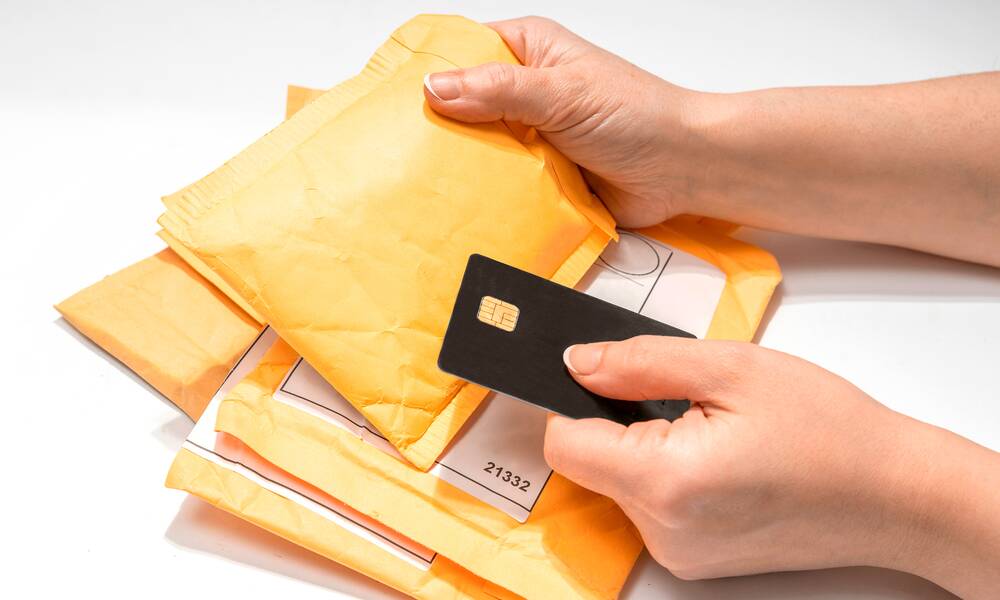
Security usually focuses on firewalls and phishing emails, but a new attack vector is showing up in physical mailboxes. Scammers are now mailing convincing letters that appear to come from major financial institutions. These envelopes contain what looks like a new bank card and a specific instruction: scan a QR code to activate the account or verify your identity.
This isn't just a low-tech nuisance; it is a calculated social engineering play. By moving the initial contact from a digital inbox to a physical mailbox, attackers bypass your email filters and security software. If you or your employees handle corporate accounts, this tactic creates a massive blind spot in your security posture.
How does the QR code mail attack work?
The scam relies on the perceived authority of physical mail. Most people have been trained to ignore suspicious links in emails, but a high-quality letter on official-looking letterhead still carries weight. The attack follows a specific sequence designed to harvest credentials and bypass MFA (Multi-Factor Authentication).
- The Hook: You receive a letter stating your current bank card is expired or compromised. The envelope often includes a dummy plastic card to increase the sense of legitimacy.
- The Action: The letter instructs you to scan a
QR codeto link the new card to your mobile banking app. - The Payload: The code leads to a pixel-perfect replica of your bank's login portal. Once you enter your credentials, the attackers capture them in real-time.
- The Bypass: Many of these sites immediately prompt for a one-time password or app approval. Because the victim believes they are in an activation process, they often approve the
push notification, giving the attacker full access.
For a developer or founder, this is a reminder that the UI/UX of an attack is getting better. These aren't just broken English emails anymore; they are physical products designed to exploit trust.
Why is this a threat to your startup or business?
Small teams often use shared business accounts or give founders direct control over high-limit credit lines. If a team member responsible for procurement or finance receives one of these letters at their home office, the risk is immediate. Unlike a digital breach that your SIEM might flag, a physical letter leaves no digital footprint until the damage is already done.
Attackers are betting on the fact that we are distracted. When you are rushing through a stack of mail, you are more likely to follow a prompt than to call your bank's official support line to verify the letter's authenticity. This is social engineering at its most basic and effective level.
What practical steps should you take now?
You don't need a complex security suite to beat this, but you do need a change in protocol. Treat any physical request to scan a QR code for financial services as a high-risk event. The physical world should never be a shortcut to your digital security.
- Verify out-of-band: If you get a letter about a bank card, log in to your banking portal directly through a bookmarked URL or a trusted mobile app. Never use the link provided in the letter.
- Inspect the URL: If you do scan a code, check the
TLDand the domain string. Most scams use lookalike domains or URL shorteners to hide their destination. - Update your team: Send a quick internal memo. Mention that physical mail is now an active phishing channel. Awareness is often the only filter that works for physical attacks.
- Enforce hardware keys: Move away from SMS-based
2FA. Using physical security keys like YubiKeys makes it significantly harder for a phishing site to hijack a session, even if they get the password.
Watch for an uptick in these physical-to-digital attacks as we head into high-volume shipping seasons. If a piece of mail asks you to bypass your standard login flow, it is almost certainly a trap.
Chat PDF avec l'IA — Posez des questions a vos documents