




The Photo Parcel Scam: Why Your Delivery Notification Is Now a Security Threat
Why should builders care about a simple SMS scam?
Social engineering is evolving from generic templates to high-fidelity impersonation. If your team handles logistics or customer data, you need to understand that attackers are now using personalized visual evidence—specifically photos of parcels with the victim's name—to bypass traditional skepticism. This isn't just a consumer problem; it is a blueprint for how attackers will target your employees' mobile devices to compromise corporate credentials.
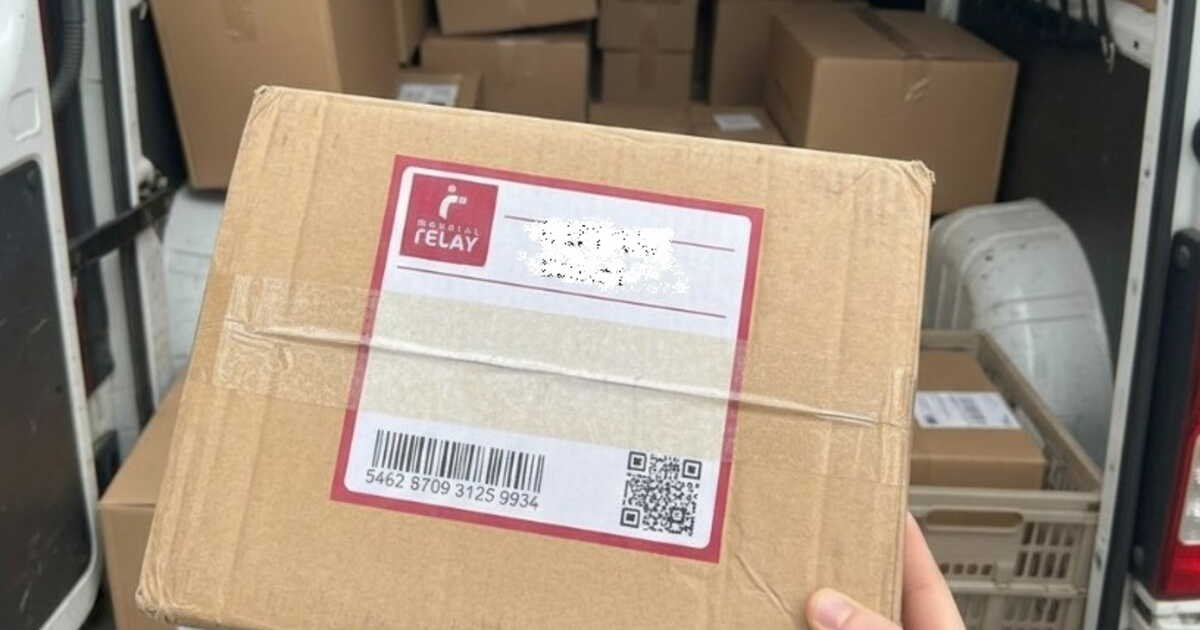
The current wave of attacks involves a victim receiving an SMS stating a delivery failed. Unlike previous iterations that used broken English and suspicious links, these new messages include a photo of a real box with the recipient's name and address clearly visible. This level of personalization creates an immediate sense of legitimacy that a standard text message cannot achieve.
How does the technical execution of this scam work?
The attack relies on a multi-stage funnel designed to harvest sensitive data. It starts with a compromised database or a public data leak where the attacker matches phone numbers with physical addresses. They use automated scripts or low-cost manual labor to generate images that look like genuine warehouse photos. These images are then delivered via MMS or a link to a landing page that mimics a legitimate logistics provider like FedEx, DHL, or La Poste.
- Initial Hook: An SMS with a photo of a package showing your actual name.
- The Redirect: A link asking you to 'confirm delivery details' or pay a small 'customs fee.'
- Data Exfiltration: A pixel-perfect clone of a payment gateway that captures credit card numbers and CVV codes in real-time.
- Persistence: In some cases, the site prompts the user to download a 'tracking app' which is actually a piece of
Androidmalware designed to intercept 2FA codes.
By using a photo, the attacker bypasses the mental filters we have built against spam. We are trained to look for typos, but we aren't yet trained to doubt a photo of an object that physically exists in our reality.
What are the red flags your team should watch for?
Even with a personalized photo, the underlying infrastructure of the scam remains consistent. If you are building or managing internal security protocols, these are the indicators that a delivery notification is fraudulent. Legitimate carriers almost never send a photo of a package via SMS before it has been delivered; photos are typically used as 'proof of delivery' after the fact, not as a prompt for action.
- Domain Anomalies: Check the URL string. Scammers use look-alike domains like
delivery-update-post.cominstead of the official provider's root domain. - Unsolicited MMS: Multimedia messages are expensive to send at scale. Most automated business systems stick to standard
SMSorWhatsApp BusinessAPI calls. - Immediate Financial Pressure: Any request for a small payment (often under $2) to 'unlock' a delivery is a classic credit card harvesting technique.
If you receive one of these messages, do not click the link to 'unsubscribe' or 'view photo.' Interacting with the message validates that your phone number is active, which only increases your value as a target for future, more sophisticated attacks.
How to harden your personal and professional workflow
To mitigate this risk, move all tracking activities out of your SMS inbox and into dedicated environments. Use the official app of the carrier or a centralized tracking tool like Shop or AfterShip. These tools pull data directly from carrier APIs rather than relying on pushed links. For your company, ensure that any employee with access to sensitive SaaS environments is using hardware-based 2FA like YubiKeys, which are immune to the credential harvesting sites these scams lead to.
The next iteration of this will likely involve AI-generated images that can be produced at scale for pennies. Watch for a rise in 'synthetic' visual evidence in phishing campaigns over the next quarter. If it looks too real to be a scam, that is exactly why you should double-check the source.

Convert PDF to Word — Word, Excel, PowerPoint, Image