







The Persistence of Silicon: Sony’s PS3 Update and the New Economics of Longevity
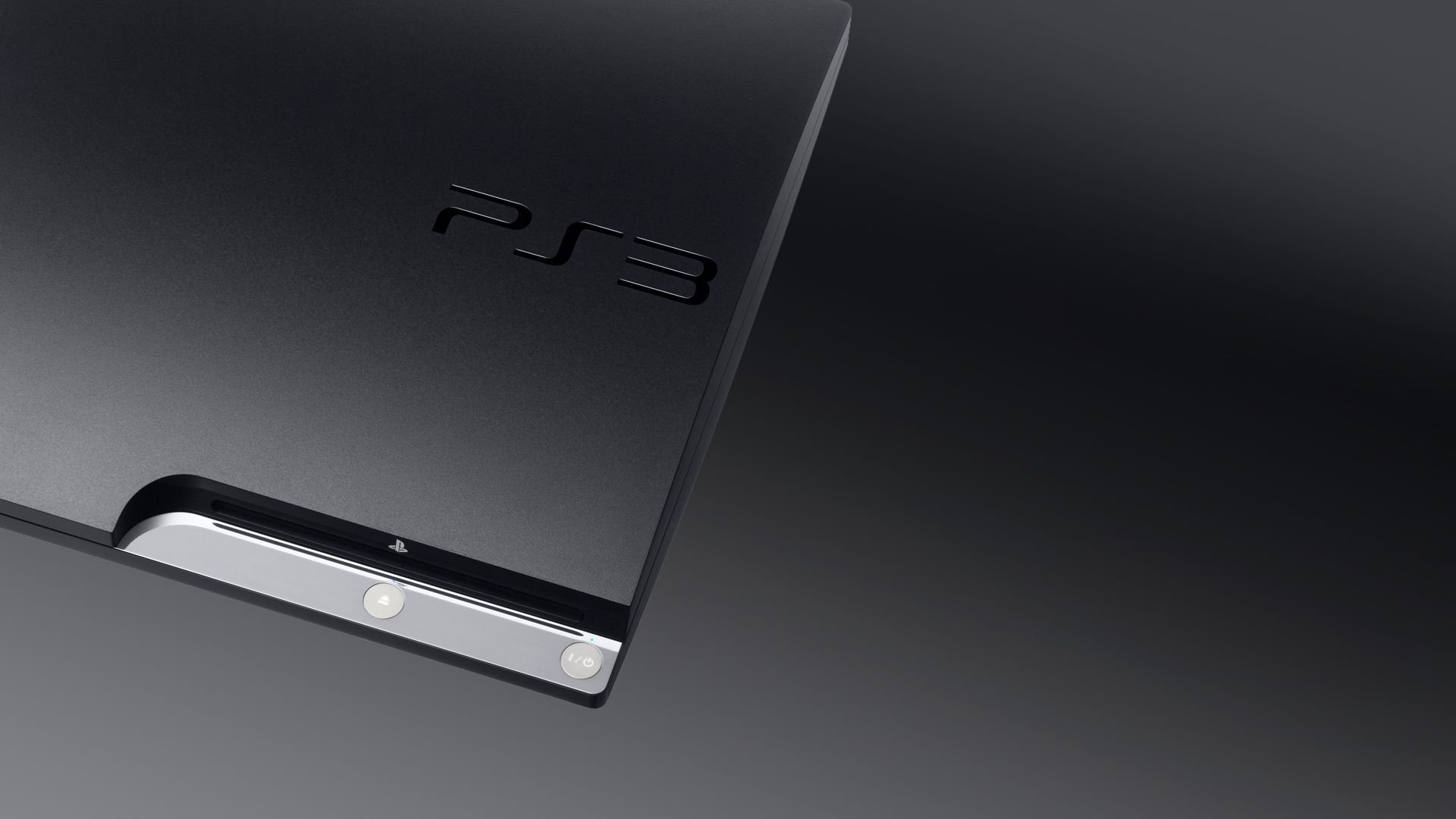
The Ghost in the Machine: Why 2006 Still Matters
In 1851, the Great Exhibition in London showcased a telegraph that worked for decades without a single part being replaced. We used to build for the century; then, somewhere around the rise of the smartphone, we began building for the fiscal quarter. Yet, Sony’s recent decision to push a firmware update to the PlayStation 3—a console that debuted when the Razr flip phone was the height of fashion—suggests a return to the long-tail lifecycle of industrial engineering.
This update, version 4.91, ostensibly focuses on system performance and security. On the surface, it seems like a minor administrative chore. But look closer. The move signals that the console has transitioned from a consumer product into a permanent digital utility. In an era where software is increasingly delivered as a service, the hardware that hosts it must remain a secure gateway, regardless of its age.
The true cost of digital ubiquity is the infinite obligation of the manufacturer to secure the past while building the future.
We are entering a period where the traditional ‘obsolescence cycle’ is breaking down. Because digital libraries are now tied to accounts rather than physical discs, a console from 2006 is still a valid node in a global network. Sony isn't just maintaining a toy; they are protecting the integrity of their entire ecosystem's credential system.
The Security Tax on Legacy Infrastructure
Maintenance is the hidden tax of the digital age. Most hardware companies prefer the 'burn and bridge' method: stop support for the old model and force users onto the new one. However, the PlayStation 3 occupies a unique space in the architectural history of computing with its complex Cell Broadband Engine. It remains a bridge for users who hold massive digital libraries that are not always perfectly mirrored on modern hardware.
By updating the Blu-ray player encryption keys and system stability, Sony is acknowledging that hardware lifespan is now determined by security vulnerabilities rather than component failure. If a legacy device becomes an easy entry point for hackers to compromise modern PlayStation Network accounts, the entire brand suffers. Security is only as strong as the oldest device allowed to stay on the grid.
This creates a fascinating economic paradox. Sony must pay engineers to write code for a machine that is no longer in production and generates minimal direct hardware revenue. They do this because the value of the 'active user'—even one on seventeen-year-old hardware—is higher than the cost of the update. It is a retention strategy that treats hardware as a lifelong membership card rather than a disposable commodity.
The Rise of the Undying Platform
Consider the implications for the broader electronics industry. If a game console can remain viable for nearly two decades through iterative software patches, the pressure on other sectors to match this longevity will grow. We are moving away from the 'buy-use-discard' rhythm and toward a world of perpetual updates. This shift reflects a maturing market where the gains in raw power are plateauing, making the reliability of the software experience the primary differentiator.
Developers and marketers often focus on the shiny and new, but the real story of the next decade will be the management of the 'installed base.' The companies that win will be those that treat their legacy users with the same respect as their early adopters. Sony’s quiet update is a masterclass in brand trust; it tells the consumer that their investment, however old, will not be abandoned.
The era of the 'dead' console is ending, replaced by a permanent state of digital residence where the silicon never truly sleeps. In five years, your primary computing device will be defined not by the year you bought it, but by the decade of support promised by the manufacturer.
Videos Faceless — Shorts viraux sans montrer son visage