







The Password Manager Fallacy: Security Is Not a Set-and-Forget Feature
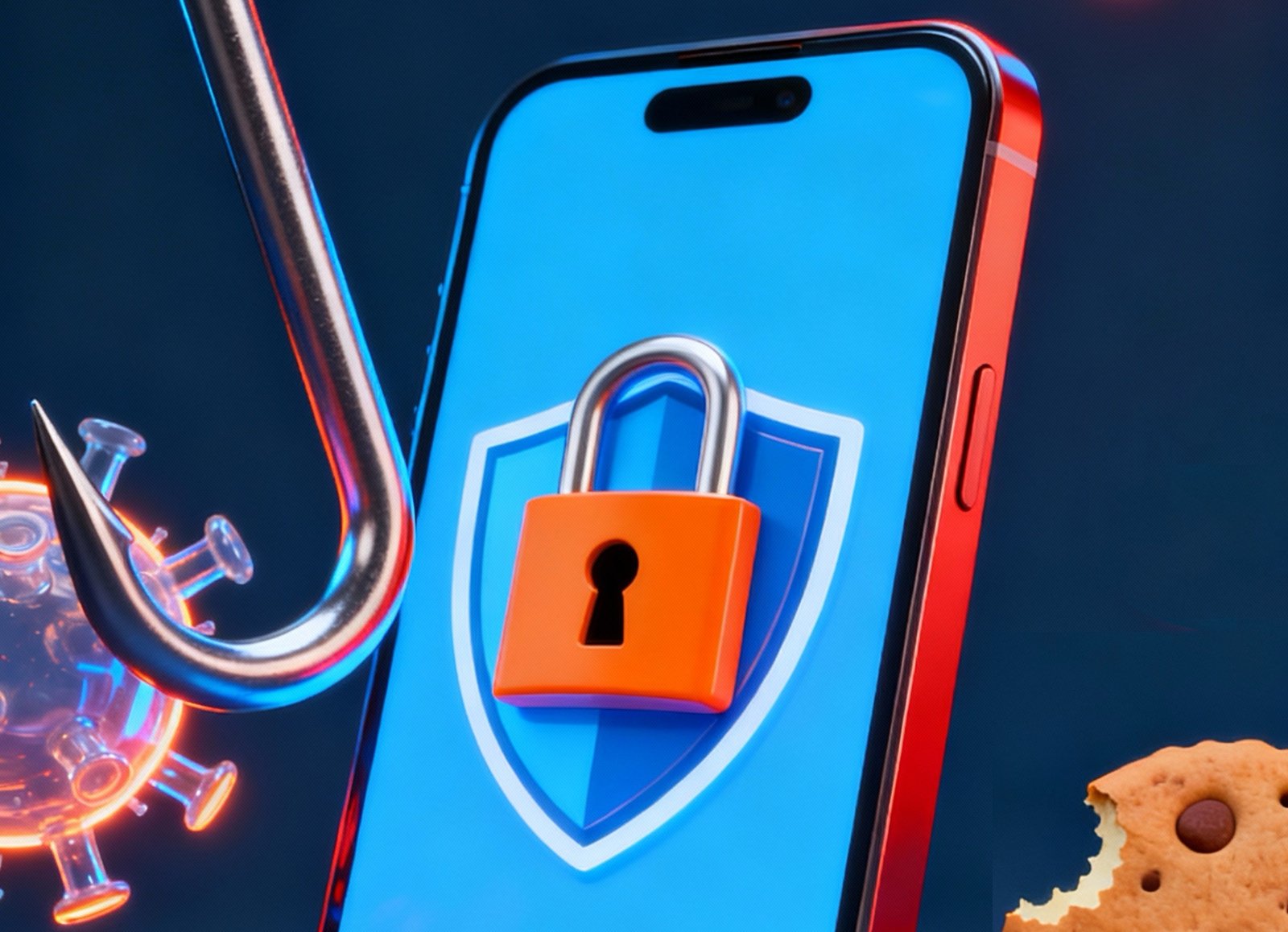
The Single Point of Failure Problem
Security consultants love to talk about password managers as if they are the final word in digital hygiene. They tell you to stop reusing 'p@ssword123' and move your life into an encrypted vault, implying that once the data is behind that master key, you are untouchable. This is a dangerous half-truth that prioritizes convenience over actual threat modeling.
By centralizing every credential you own—from your primary bank account to your obscure forum logins—you are creating a digital crown jewel. If the vault is breached, the game isn't just over; it's a total loss.
If any cybersecurity expert will recommend using a password manager with their eyes closed, these vaults...This blind trust ignores the reality that a single compromised master password or a sophisticated session hijacking attack renders the entire system moot. We are trading a dozen small vulnerabilities for one catastrophic vulnerability, yet we rarely discuss the trade-off in those terms.
The Browser Extension Backdoor
Most users interact with their password managers through browser extensions, which are perhaps the most fragile part of the modern software stack. These extensions operate within the same environment as your social media trackers, ad blockers, and that sketchy 'coupon finder' you installed three years ago. If a malicious script gains execution rights in your browser, it doesn't need to crack your AES-256 encryption; it just needs to wait for you to unlock the vault.
Modern malware has evolved beyond simple keyloggers to include sophisticated 'infostealers' that target the memory space of these applications. When you autofill a form, the data is briefly decrypted and vulnerable. If your underlying operating system is compromised, the 'vault' is merely a convenient directory for the attacker to browse at their leisure. We have spent a decade telling non-technical users that the software is the solution, when the software is actually just a more organized target.
Phishing Is Still Winning
The most common argument for password managers is that they prevent phishing by refusing to autofill on unrecognized domains. While this is true for low-effort scams, it creates a false sense of security that sophisticated attackers exploit. Attacker-in-the-middle (AiTM) proxies can now bypass these protections by mirroring the legitimate site in real-time, capturing not just the password but the active session token.
- Session hijacking bypasses the need for a password entirely.
- Recovery emails remain the ultimate weak link in the chain.
- Biometric overrides can be spoofed or coerced in physical proximity.
The industry needs to stop treating these tools as bulletproof vests. They are more like locked filing cabinets; they keep out the casual snooper and the automated bot, but they won't stop a locksmith or someone who steals the entire cabinet. True security requires a layered approach where the password manager is the first step, not the final destination.
The Myth of Absolute Safety
We see this pattern every time a major provider like LastPass or Okta suffers a breach. The technical community acts shocked that a security company could be insecure, while the marketing departments scramble to redefine what 'zero knowledge' actually means. The reality is that no software is unhackable, and putting all your eggs in one highly-marketed basket is a strategic risk that most founders and developers underestimate.
If you aren't using hardware security keys like YubiKeys alongside your manager, you aren't actually secure; you're just organized. The password manager remains a necessary evil in a world where humans are terrible at remembering random strings, but it is a tool with a specific set of failure states that we must acknowledge. Stop believing the marketing hype that your vault is an impenetrable fortress. It is a high-value target, and you should treat it with the appropriate level of paranoia.

Convertir PDF en Word — Word, Excel, PowerPoint, Image