







The Panopticon in the Pantry: Why Every Sensor is a Potential Witness
The Map is Not the Territory, But It Is the Target
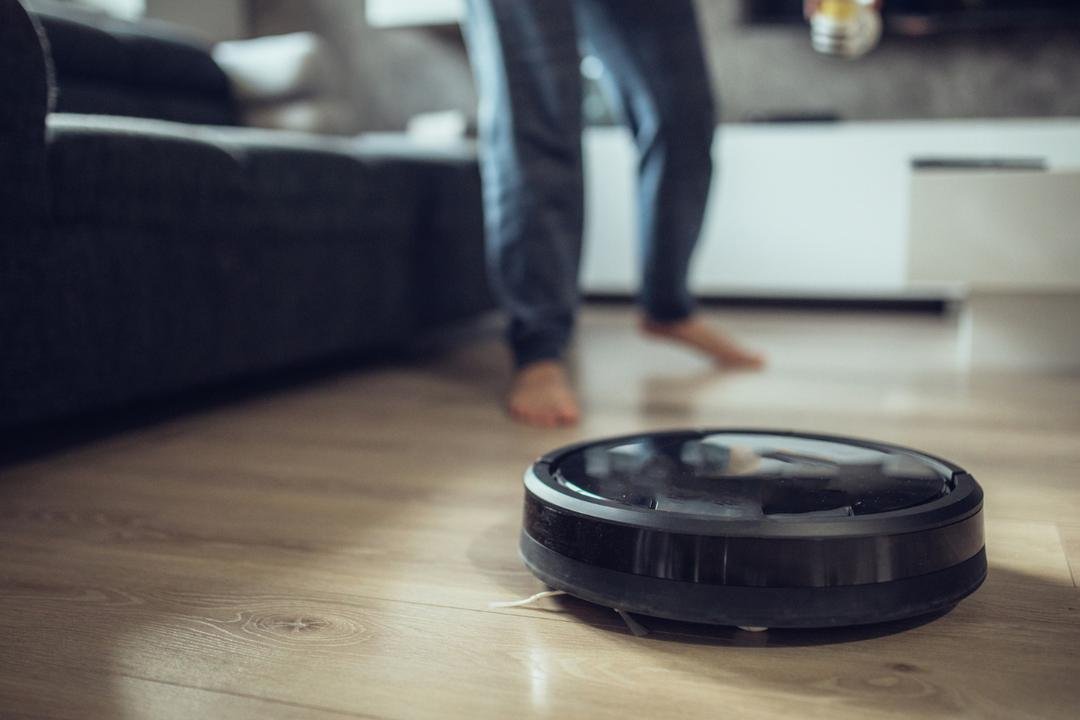
In the mid-20th century, the expansion of the electrical grid meant that every home became a node in a massive, interconnected nervous system. Today, we are repeating that architecture, but with a crucial difference: the nodes now have eyes, ears, and spatial awareness. When a security researcher recently attempted to interface a gaming controller with his robotic vacuum, he didn't just find a new way to clean; he stumbled into a backdoor that exposed the intimate floor plans of thousands of strangers.
This is the fundamental tension of the modern smart home. We are inviting sophisticated lidar and camera systems into our most private sanctuaries, viewing them as labor-saving tools rather than mobile data-collection platforms. The vacuum is no longer a cleaning device; it is a high-resolution cartographer that happens to pick up dust.
The true cost of automation is not the price of hardware, but the erosion of the boundary where the public internet ends and the private residence begins.
From Hardware Sales to Data Annuities
The manufacturing logic of the past decade has shifted from selling a finished product to maintaining a persistent connection. For companies, a robot that operates offline is a missed opportunity for telemetry. This constant tethering creates a vulnerability surface that is disproportionately large compared to the utility provided. When an engineer can remotely access live video feeds and interior maps across a fleet of devices, the failure isn't just a bug; it is a structural flaw in how we conceive of 'smart' architecture.
Most consumers assume their data is anonymized, yet spatial data is inherently identifying. The specific arrangement of your furniture, the dimensions of your hallways, and the presence of stairs create a digital fingerprint as unique as a retina scan. We are building a world where our belongings are more loyal to their cloud servers than to the people who bought them.
The Frictionless Security Mirage
Security is often sacrificed on the altar of a seamless user experience. We want our devices to work out of the box with zero configuration, which usually means they rely on centralized cloud verification that can be bypassed if the central handshake is compromised. Unlike a laptop or a phone, where users expect to manage permissions, a vacuum is perceived as 'invisible' infrastructure. This psychological gap is precisely what makes household robotics such a potent vector for surveillance.
As these machines gain more autonomy, the data they collect moves from static maps to behavioral patterns. They know when you are home, which rooms you occupy most, and—through acoustic sensors—perhaps even more. The vulnerability discovered by this engineer serves as an early warning for the next decade of ambient computing. It suggests that as we populate our homes with increasingly capable agents, we must move toward an 'edge-first' philosophy where data never leaves the physical walls of the house.
In five years, your home will likely be managed by an operating system that predicts your needs before you articulate them, turning every wall and appliance into a participant in a silent, constant dialogue with the machines that serve you.

Editeur PDF gratuit — Modifier, fusionner, compresser