







The Kali365 Breach: Why Your Multi-Factor Authentication Just Became a Suggestion
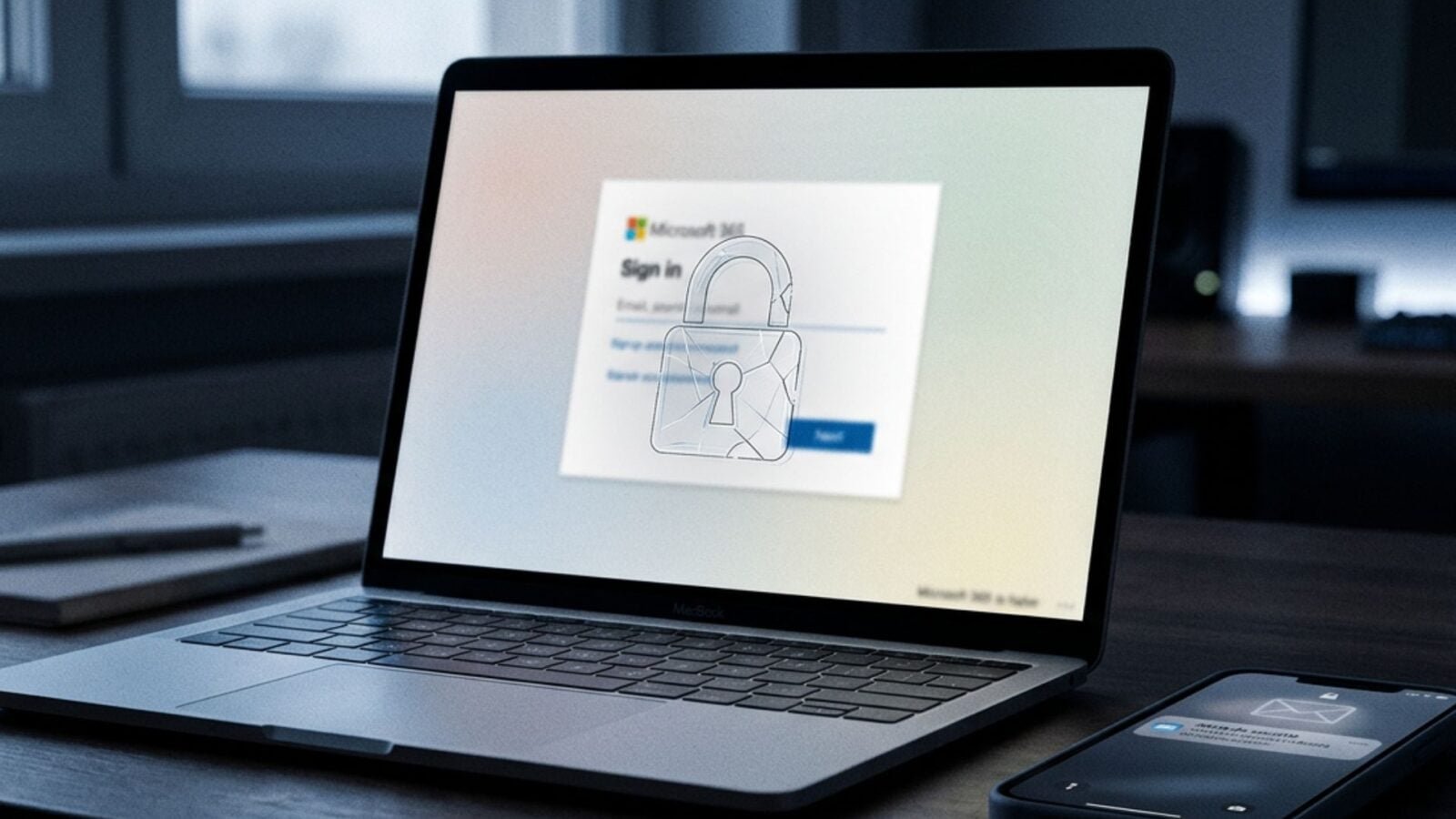
The Illusion of Perpetual Security
Security teams have spent the last half-decade conditioning employees to believe that Multi-Factor Authentication (MFA) is an impenetrable wall. The narrative is simple: even if a password leaks, the second factor saves the day. However, a new phishing-as-a-service kit known as Kali365 is currently dismantling that sense of safety for Microsoft 365 users.
This is not a sophisticated state-sponsored attack involving zero-day vulnerabilities. It is a commercialized operation that turns complex session hijacking into a point-and-click commodity. While Microsoft touts its security stack as the industry standard, the emergence of Kali365 reveals a structural weakness in how modern authentication tokens are handled and protected.
"Kali365 allows attackers to bypass multi-factor authentication by capturing session cookies in real-time, effectively tricking servers into believing the malicious user is already authenticated."
The gap between the marketing of MFA and its technical reality is widening. When an employee interacts with a Kali365-generated page, the tool acts as a transparent proxy. It doesn't just steal a password; it intercepts the session token generated after the user completes their legitimate MFA challenge. Once the attacker has this token, the second factor becomes irrelevant because the server believes the identity has already been verified.
The Business of Automated Identity Theft
Kali365 is part of a growing trend of Adversary-in-the-Middle (AiTM) tools that are lowering the barrier to entry for corporate espionage. The developers behind this kit are not selling a one-time exploit but a subscription to a platform that handles the heavy lifting of infrastructure. This commoditization means that even low-level criminals can target high-value corporate accounts with a high success rate.
The technical architecture of these attacks exploits the fundamental way web browsers maintain "logged-in" states. By positioning themselves between the user and the legitimate Microsoft login portal, the Kali365 operators capture the session cookie before it ever reaches the user's local storage. This allows them to clone the active session on their own hardware, bypassing the need for a physical security key or a mobile push notification.
Microsoft has acknowledged the rise of AiTM attacks, yet the defense mechanisms remain reactive. Most organizations rely on conditional access policies that look for impossible travel or unrecognized IP addresses. But as these kits become more refined, they are beginning to utilize local proxy networks that mask their location, making it appear as though the attacker is logging in from the victim's own city or office building.
The Failure of the Traditional Passwordless Narrative
There is a quiet irony in the fact that the more we move toward passwordless environments, the more valuable these session tokens become. If a session token is the only thing standing between an outsider and an entire corporate OneDrive or Outlook inbox, it becomes the ultimate single point of failure. Kali365 proves that shifting the goalposts from passwords to tokens does not solve the underlying problem of trust verification.
Enterprises are currently stuck in a cycle of adding more friction to the user experience without actually increasing the cost of an attack. A user can be prompted for a biometric check five times a day, but if the resulting session cookie is intercepted, those five checks provided zero additional protection. The industry is effectively building more expensive doors while leaving the master key under the welcome mat.
The survival of corporate data now depends on whether security teams can move beyond static authentication. The success of Kali365 will ultimately be determined by how quickly organizations adopt token binding—a technical standard that ties a session cookie to a specific physical device. Until Microsoft makes this a mandatory, non-negotiable feature for all tenants, tools like Kali365 will continue to turn supposedly secure logins into open invitations.

Convertir PDF en Word — Word, Excel, PowerPoint, Image