







The Invisible Frontline: Why Geopolitical Tensions Are Moving from Borders to Servers
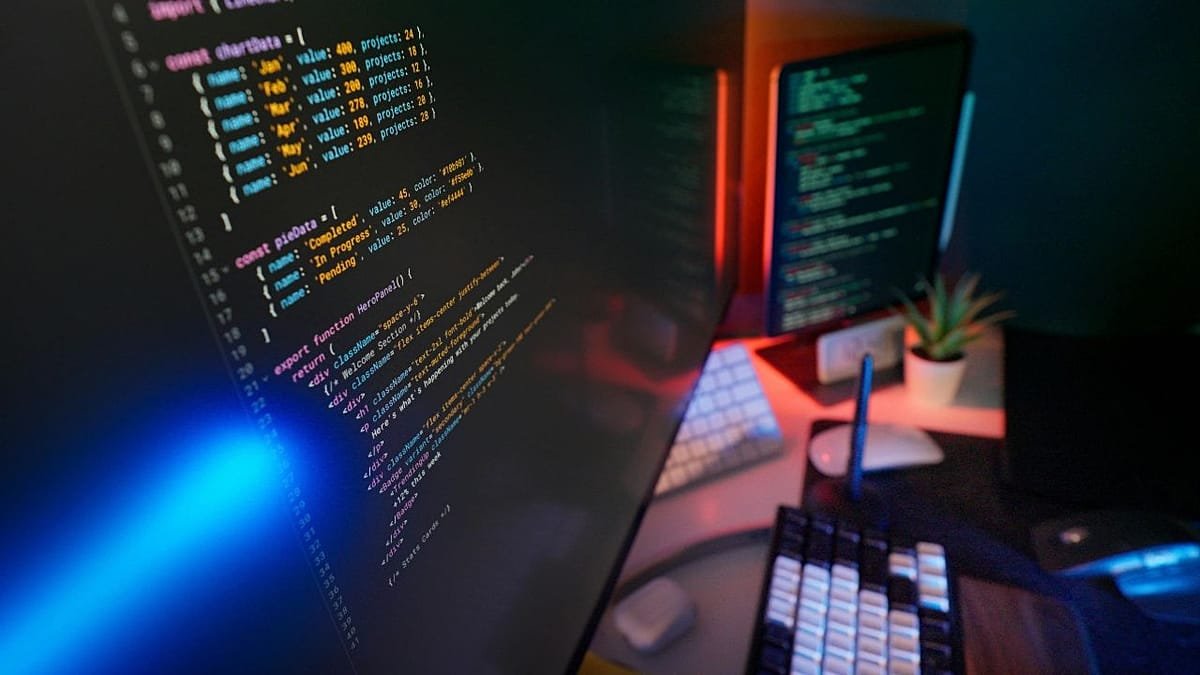
Late on a Tuesday evening in a nondescript office in Santa Clara, a series of monitors began to glow with the heat of a thousand digital pinpricks. This wasn't a glitch or a routine update. It was the visual ghost of a conflict thousands of miles away manifesting in lines of malicious code.
For the engineers at Palo Alto Networks, these flickering lights represent the new reality of modern friction. When nations clash in the physical world, the first blow is increasingly delivered via a keyboard. The tension currently radiating from Iran is no longer contained by geography; it is spilling over into the fiber-optic cables that connect global commerce.
The Digital Echo of Physical Force
Cyber warfare used to be the stuff of high-budget cinema, a trope involving hooded figures and scrolling green text. Today, it is a standard tool in the diplomatic kit, used with the same intentionality as an economic sanction or a fleet deployment. Experts are now sounding the alarm that we are entering a period of heightened digital volatility.
This isn't just about government agencies or military contractors. The blast radius of a modern cyberattack is notoriously messy. When a state-sponsored actor decides to disrupt a rival, they often aim for the soft underbelly of the economy: energy grids, water treatment facilities, and banking systems.
The internet was built for connectivity, but in the hands of a geopolitical strategist, that same connectivity becomes a permanent vulnerability.
We are seeing a shift where digital strikes serve as a form of non-kinetic retaliation. They allow a nation to project power and cause genuine chaos without necessarily crossing the threshold of conventional combat. It is a shadowy middle ground where the rules of engagement are still being written in real-time.
Why the Private Sector is Now the Battlefield
Startup founders and digital marketers often feel insulated from the maneuvers of distant intelligence agencies. That sense of security is largely an illusion. Modern supply chains are so tightly woven that a disruption in one corner of the globe can paralyze a SaaS company in Berlin or a logistics firm in Singapore.
Security analysts point out that state-backed groups frequently use private businesses as jumping-off points. By compromising a small vendor with weak security, they can tunnel their way into much larger, high-value targets. The small gate is often the way into the fortress.
This creates a massive burden for the tech industry. It is no longer enough to protect user data from petty thieves; companies must now consider if they are an accidental pawn in a larger game of chess. The cost of doing business now includes defending against some of the most sophisticated engineering teams on the planet.
The Long Shadow of the Next Strike
Preparation is a grueling, invisible task. It involves patching vulnerabilities that haven't been exploited yet and training employees to spot the subtle signs of a social engineering attempt. While the headlines focus on the drama of the conflict, the real work happens in the quiet hours of server maintenance.
There is a psychological element to this digital posturing as well. By demonstrating the ability to penetrate secure networks, a nation sends a message of omnipresence. It is a way of saying that nowhere is truly out of reach, not even the encrypted servers of a private enterprise.
As we watch the maps of physical territory shift, the maps of our digital infrastructure are being redrawn with equal intensity. The question for the tech community is no longer if we will be affected, but how we will adapt when the invisible frontline moves into our own data centers. A developer in a quiet suburb might find themselves on the front lines of a global dispute, simply by sitting down at their desk and opening a laptop.
Videos UGC avec avatars IA — Avatars realistes pour le marketing