







The Immortal Vulnerability: Why Microsoft’s Twelve-Year-Old Ghost Still Haunts the Enterprise
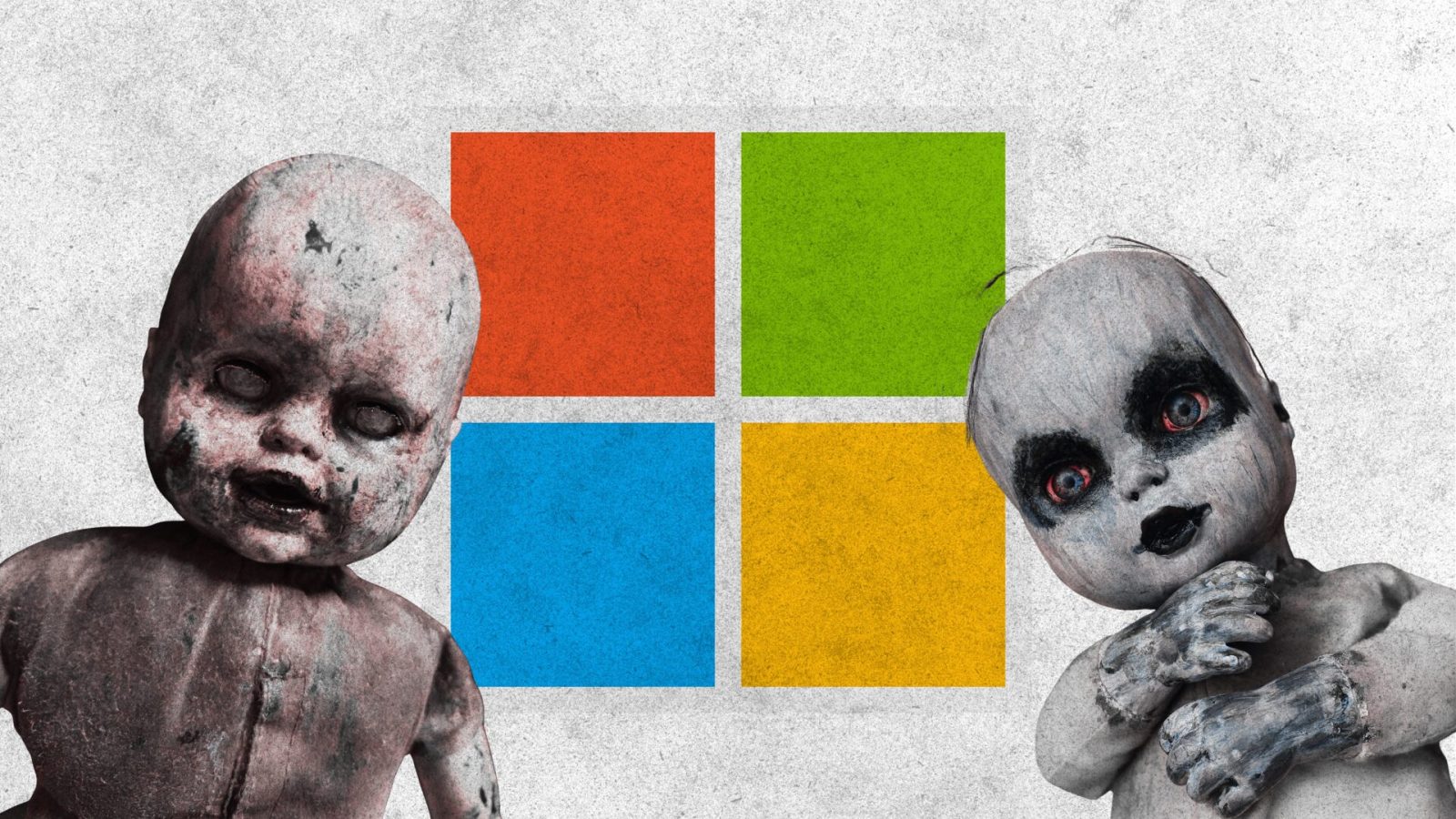
The Persistence of Technical Debt as a Weapon
The tech industry is obsessed with the new. We chase LLMs, spatial computing, and next-generation frameworks while ignoring the rotting foundations beneath our feet. The CISA recently highlighted a reality that should embarrass every CTO in the Fortune 500: a security flaw first identified over twelve years ago remains one of the most effective tools in the modern hacker's arsenal.
This isn't just a failure of patching; it is a fundamental indictment of how enterprise software is managed. We are witnessing the zombification of cybersecurity, where ancient vulnerabilities are resurrected because organizations prioritize uptime and legacy compatibility over basic hygiene. If a hole is old enough to graduate middle school, the excuse of 'complexity' no longer holds water.
Des cybercriminels s’appuient encore aujourd’hui sur des failles vieilles de plus d'une décennie pour infiltrer des réseaux critiques.
The CISA’s observation underscores a bitter truth: attackers are lazy, and they are lazy because we let them be. Why would a state-sponsored actor burn a million-dollar zero-day exploit when they can simply walk through a door that Microsoft left unlocked during the Obama administration? We have created a world where the most sophisticated digital defenses are being bypassed by the software equivalent of a skeleton key found in a dumpster.
The Illusion of Modern Security
Software vendors love to talk about 'Zero Trust' and 'AI-driven protection,' but these are often just expensive ornaments on a crumbling house. The vulnerability in question persists because it sits in the deep, unsexy corners of the Windows ecosystem—areas that developers are afraid to touch for fear of breaking a mission-critical spreadsheet from 2008. This fear of breakage has become a greater risk than the actual exploits themselves.
When we look at the telemetry of modern breaches, we rarely see hackers using 'cyber-weapons' that look like something out of a movie. Instead, they use scripts that target known, documented, and supposedly 'fixed' issues. The industry treats security as a race to find the newest threat, but the data suggests we are actually losing a war of attrition against the past.
Why the Patching Cycle is Broken
IT departments often argue that they cannot deploy updates immediately due to the risk of system instability. While that might justify a week or even a month of testing, it does not justify a decade of exposure. This gap reveals a systemic negligence that has become normalized in corporate culture. We have accepted a status quo where software is never truly finished, and therefore, never truly secure.
- Legacy protocols are kept active for the sake of one or two ancient applications.
- Internal audits prioritize compliance checklists over actual risk surface reduction.
- Budget is allocated to new features rather than structural refactoring.
Microsoft, for its part, continues to provide the fixes, but they cannot force a customer to click 'install.' The result is a fragmented digital space where the latest Windows 11 features sit atop a mountain of unpatched vulnerabilities. It is a house built on sand, and the tide has been coming in for twelve years.
The High Cost of Compatibility
The cult of backward compatibility is the primary culprit behind this mess. Microsoft’s greatest strength—the fact that nearly any software written in the last twenty years will still run—is also its most glaring security weakness. By refusing to break things, they have ensured that the ghost in the machine remains immortal.
La persistance de ces vulnérabilités montre que le problème n'est pas technique, mais organisationnel.
This quote gets to the heart of the matter. You can hire the best Red Team in the world, but if your C-suite views IT as a cost center rather than a strategic foundation, you will always be vulnerable. The persistence of this 'zombie' flaw is a choice. Every day that a server remains unpatched is a conscious decision to value convenience over integrity.
We need to stop treating these incidents as 'sophisticated attacks' and start calling them what they are: maintenance failures. If a bridge collapses because the rivets haven't been checked since 2012, we don't blame the gravity; we blame the engineers and the inspectors. It is time we hold the digital world to the same standard of operational accountability.
The next decade will likely see more of the same unless we change our relationship with legacy code. Attackers will continue to feast on our refusal to clean up our old messes. Until the cost of staying vulnerable exceeds the cost of a reboot, these ghosts will continue to haunt every network on the planet.
Createur de films IA — Script, voix et musique par l'IA