







The High Cost of Sovereign Cyber-Arms: NSO Group’s Founders Enter the French Crosshairs
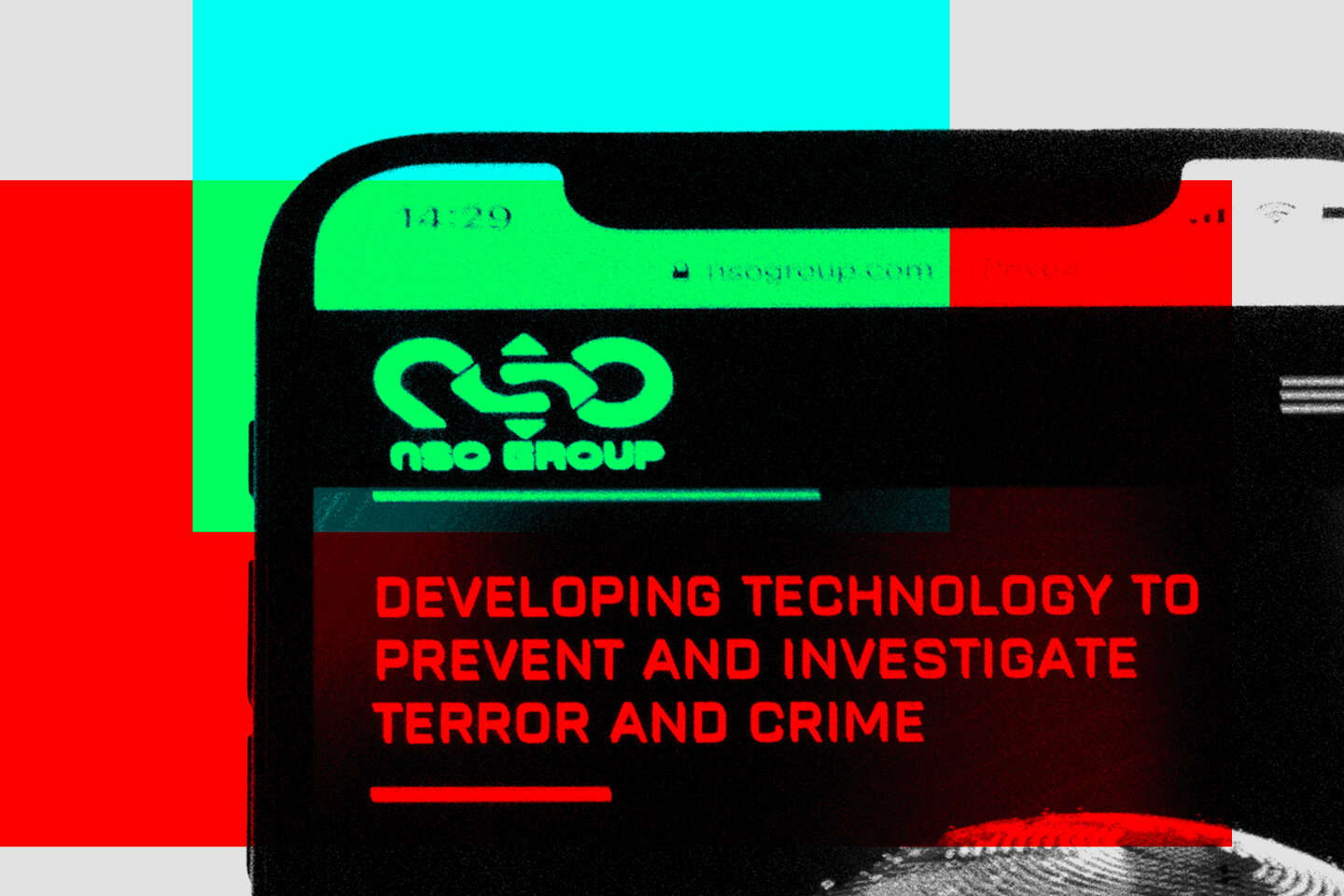
The Sovereignty Conflict and Regulatory Risk
This is not a simple legal inquiry into privacy violations. It is a fundamental challenge to the commercialization of state-grade offensive cyber-tools. When French judicial authorities placed two co-founders of NSO Group under the status of 'assisted witness,' they signaled that the immunity typically enjoyed by defense contractors is evaporating. For years, NSO Group operated under the protective umbrella of Israeli export licenses, arguing that the company was merely a vendor to sovereign states.
The business model relies on a high-margin, low-volume sales strategy to government agencies. However, the unit economics of zero-day exploits are shifting as the legal liability for those exploits begins to follow the developers across borders. If founders can be held personally or corporately liable for the actions of their clients, the risk-adjusted return on building sophisticated spyware collapses. Investors who once saw NSO as a high-yield play on national security must now account for a permanent legal discount on the company's valuation.
The core issue for the venture capital ecosystem is the jurisdictional reach of the European courts. By targeting the architects of Pegasus, France is attempting to set a precedent where software is treated not as neutral code, but as a controlled munition with a traceable chain of custody. This move disrupts the 'fire and forget' sales cycle that permitted NSO to scale to a billion-dollar valuation before its recent debt restructuring and blacklisting by the U.S. Department of Commerce.
The Moat is Eroding
NSO Group’s primary competitive advantage was its deep bench of elite talent and its ability to bypass the security of the world’s most popular mobile operating systems. But a technical moat is useless when the regulatory moat is breached. The company is currently fighting a multi-front war: litigation from Apple and Meta, sanctions from Washington, and now, a criminal investigation in Paris that probes the targeting of high-ranking French officials and journalists.
From a strategic standpoint, NSO is trapped in a death spiral of shrinking addressable markets. As democratic nations tighten export controls and increase oversight, the company is forced to rely on more volatile regimes. This creates a self-reinforcing loop of bad press and further sanctions. The founders’ recent testimony in France suggests that the 'witness' status is a tactical move by the judiciary to extract documentation regarding the internal vetting processes—or lack thereof—used to approve client targets.
- The End of Neutrality: Tech companies can no longer claim they are just the 'arms dealer' without responsibility for the battlefield.
- Capital Flight: Private equity and institutional investors are exiting the 'offensive tech' space in favor of defensive cybersecurity, which offers more predictable cash flows and lower reputational risk.
- State-Sponsorship vs. Private Enterprise: We are seeing a shift where offensive capabilities are being internalized by state agencies to avoid the legal exposure of third-party vendors.
We believe that the sale of technologies to governments is a legitimate and necessary business for national security, provided there is oversight and accountability.
Who Wins in the Post-Pegasus Era?
The clear winners are the defensive security firms like CrowdStrike and specialized mobile security providers that are now being integrated into the standard enterprise stack. As Pegasus-style attacks become more documented, the market for 'hardening' devices against zero-click exploits is expanding from government officials to C-suite executives and high-net-worth individuals. This is a massive GTM opportunity for companies that can prove they offer a shield against state-level actors.
Conversely, the 'gray market' for vulnerabilities is becoming increasingly fragmented. Smaller, more agile firms are popping up in jurisdictions with less oversight, but they lack the scale and institutional backing that NSO once boasted. This fragmentation makes the task of global intelligence agencies harder, but it also lowers the barrier to entry for malicious actors who do not care about French subpoenas or U.S. entity lists.
The strategic pivot for the industry is now toward 'responsible disclosure' and bug bounty programs. Companies that once might have sold a vulnerability to NSO for six figures are now weighing that against the long-term stability of working with the vendors themselves. The risk of being caught in a cross-border criminal probe is a powerful deterrent that the market has finally started to price in correctly.
I am betting against any private equity firm attempting to roll up offensive cyber-boutiques in the current climate. The regulatory overhang is too heavy and the exit paths are virtually non-existent. Instead, the smart money is moving into automated threat hunting and zero-trust mobile architecture. If you are building a tool that helps a dictator track a journalist, your exit is a courtroom; if you are building the tool that stops it, your exit is an IPO.
Createur de films IA — Script, voix et musique par l'IA