







The Ghost in the Router and the Ritual of the Power Cycle
The Quiet Hum of Vulnerability
In a small apartment overlooking the Seine, a graphic designer named Julien noticed something minor yet nagging: his internet connection hesitated for a heartbeat before loading a page. He did what most of us do when the invisible architecture of our lives falters. He walked to the hallway, reached behind a plastic box coated in a thin layer of dust, and pulled the plug.
This tactile ritual, once reserved for fixing slow streaming speeds, has recently taken on the weight of national security. The National Security Agency has begun advising citizens to perform this exact action not as a technical fix, but as a defensive maneuver. Our routers, those flashing sentinels of the modern home, have become the primary theater for a new kind of invisible conflict.
We tend to think of our digital lives as existing in the cloud or on our glowing screens, yet the vulnerability sits physically on our bookshelves and under our desks. These devices were designed for convenience and connectivity, seldom for the sophisticated sieges they now endure. They are the gateway to our private histories, making them the perfect perch for entities looking to watch without being seen.
The Architecture of the Unseen
The threat is no longer the clumsy virus of the early internet that announced itself with pop-up windows and frozen cursors. Modern intrusions are ghost-like, settling into the volatile memory of a router to intercept data as it flows into the home. Because these attacks often live only in the temporary memory of the hardware, they vanish when the electricity is cut, much like a dream dissipating upon waking.
By severing the power, we force a total erasure of the current state of the machine. It is a crude but effective form of digital exorcism. If it isn't written to the permanent disk, it cannot survive the dark, is the logic currently being whispered by security experts to a public that has long treated their hardware as set-it-and-forget-it appliances.
The router is the only border wall most people actually live with, and currently, that wall is made of glass.
The complexity of these attacks suggests a shift in how geopolitical friction manifests in the domestic sphere. When a state-sponsored actor targets a home network, they aren't necessarily looking for one person's bank details. They are often looking for a foothold—a quiet corner of the internet from which to launch larger, more coordinated efforts against infrastructure or government targets.
A Return to Tangible Defense
There is something deeply human about the fact that our most advanced digital problems can be mitigated by a physical tug of a cord. In an age where we are told that artificial intelligence and complex encryption are our only shields, the advice to simply restart the machine feels like a return to the mechanical age. It reminds us that for all its abstract complexity, the internet is still a series of boxes and wires that need to be cleared out.
This shift from passive consumption to active maintenance requires a new kind of literacy. We are learning that to be a citizen of a connected world is to be a steward of the hardware we own. The router is no longer just a utility like a water pipe; it is a sensitive instrument that requires a regular pulse-check to ensure it hasn't been co-opted by someone a thousand miles away.
As we move deeper into an era of ambient computing, where every lightbulb and toaster seeks a handshake with the network, the router remains the bottleneck. It is the single point of failure and the single point of defense. Taking thirty seconds to cycle the power is a small tax to pay for the integrity of one's digital threshold.
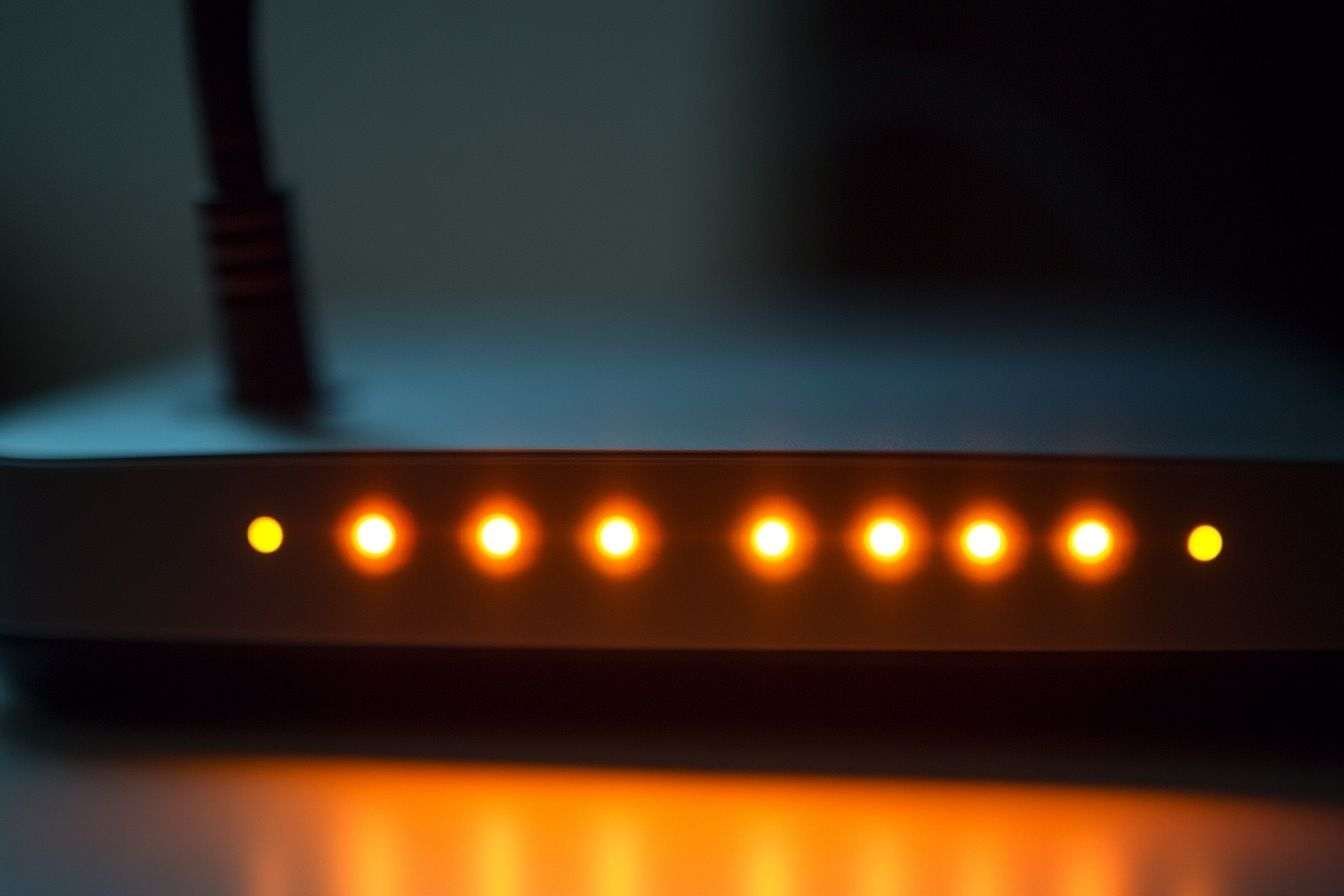
Tonight, across thousands of homes, that small red or green light will blink out and then return to its steady glow. We wait in the brief silence of the offline world, watching the lights flicker back to life, hoping that in the reboot, we have reclaimed a small piece of our privacy. It is a quiet, rhythmic dance between the human hand and the machine, a necessary pause in a world that never sleeps.
Videos Faceless — Shorts viraux sans montrer son visage