







The Ghost in the Receiver: Why Your Phone Rings Just to Stay Silent
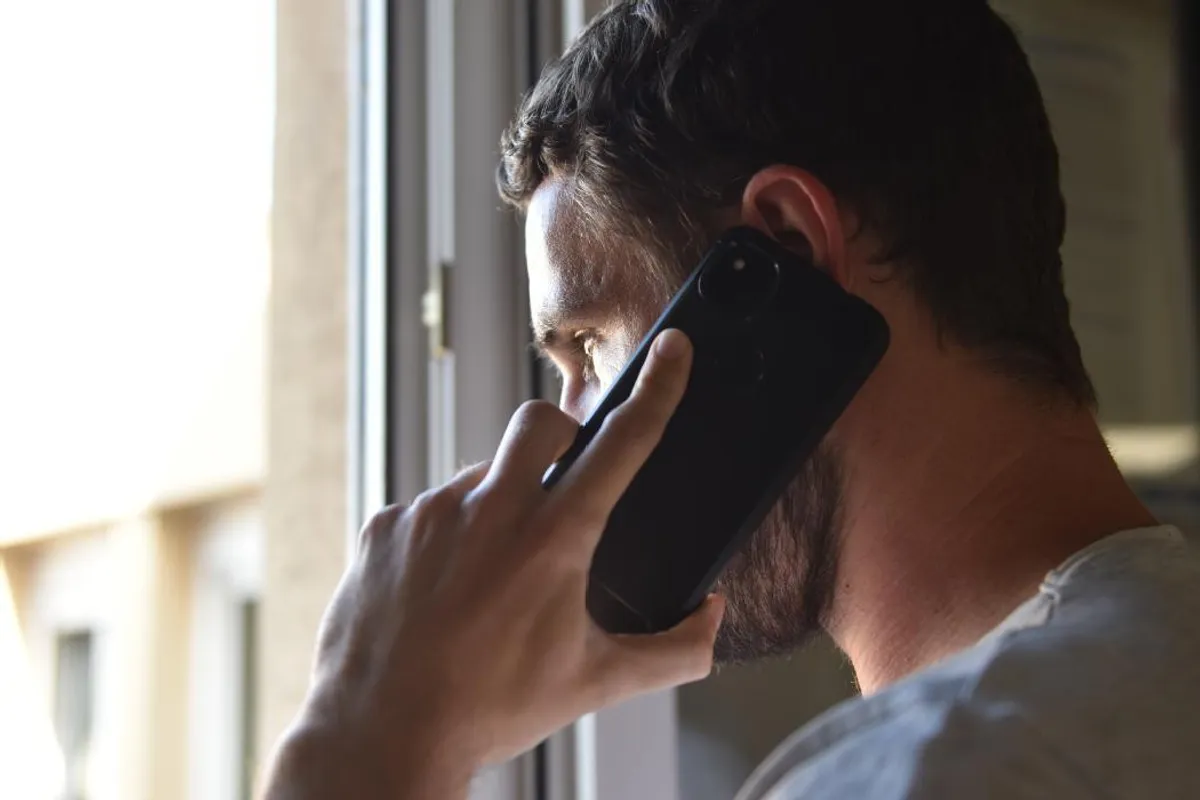
The Three-Second Standoff
Marc was halfway through a sandwich when his iPhone buzzed on the mahogany desk. The display showed a local number, ten digits that looked familiar enough to be a delivery driver or perhaps a client. He swiped to answer and offered a cautious 'Hello?'
For three seconds, there was nothing. No breathing, no background chatter of a call center, just an eerie, pressurized silence that felt heavier than a disconnected line. Then, the click. The call ended before Marc could ask who was there.
This mundane mystery is playing out millions of times a day across the globe. It is a digital phantom that has become a constant companion for anyone with a SIM card. While it feels like a prank from the analog era, these silent calls are actually the scouting parties of a massive, automated data industry.
The Math of the Phantom Ring
Behind these empty connections sits a predictive dialer, a piece of software designed to maximize the efficiency of human telemarketers. These systems are cold, calculating beasts. They call dozens of numbers simultaneously, betting on the statistical probability that only a few people will actually pick up.
When the software wins its bet and too many people answer at once, there isn't a human operator available to take the call. Instead of playing hold music, the system simply drops the extra connections. It treats your time like a rounding error in a spreadsheet.
The silence isn't a failure of the technology; it is the sound of a machine learning exactly when you are most vulnerable to a sales pitch.
But there is a more cynical layer to this phenomenon. Every time you say 'Hello' to the void, you are feeding a database. These bots are not just looking for a conversation; they are verifying that your number is active, that you answer calls from unknown IDs, and precisely what time of day you are likely to have your phone in your hand.
Refining the Target
Once you answer, your phone number is no longer just a string of digits. It becomes a 'validated lead.' This status is a commodity, bought and sold on digital marketplaces where scammers and aggressive marketers hunt for their next mark. You have essentially raised your hand in a crowded room and shouted that you are available.
Security experts have noted that these silent pings often precede more sophisticated attacks. By mapping out your habits, a fraudulent organization can determine the best window to call back with a spoofed government ID or a fake bank alert. They know you're home at 2:00 PM because that's when you answered the ghost call on Tuesday.
Defending against a shadow is difficult. Many users have turned to 'Silence Unknown Callers' features, effectively turning their smartphones into gated communities. It solves the immediate annoyance, but it also reflects a growing fracture in how we communicate. We are becoming afraid of the very devices designed to keep us connected.
The next time your pocket vibrates and the line stays quiet, remember that you aren't just being ignored. You are being measured. The person on the other end isn't a person at all, but a line of code deciding if you are worth the effort of a real conversation tomorrow.
Videos UGC avec avatars IA — Avatars realistes pour le marketing