







The Ghost in the Machine: Why YggTorrent Refuses to Stay Dead
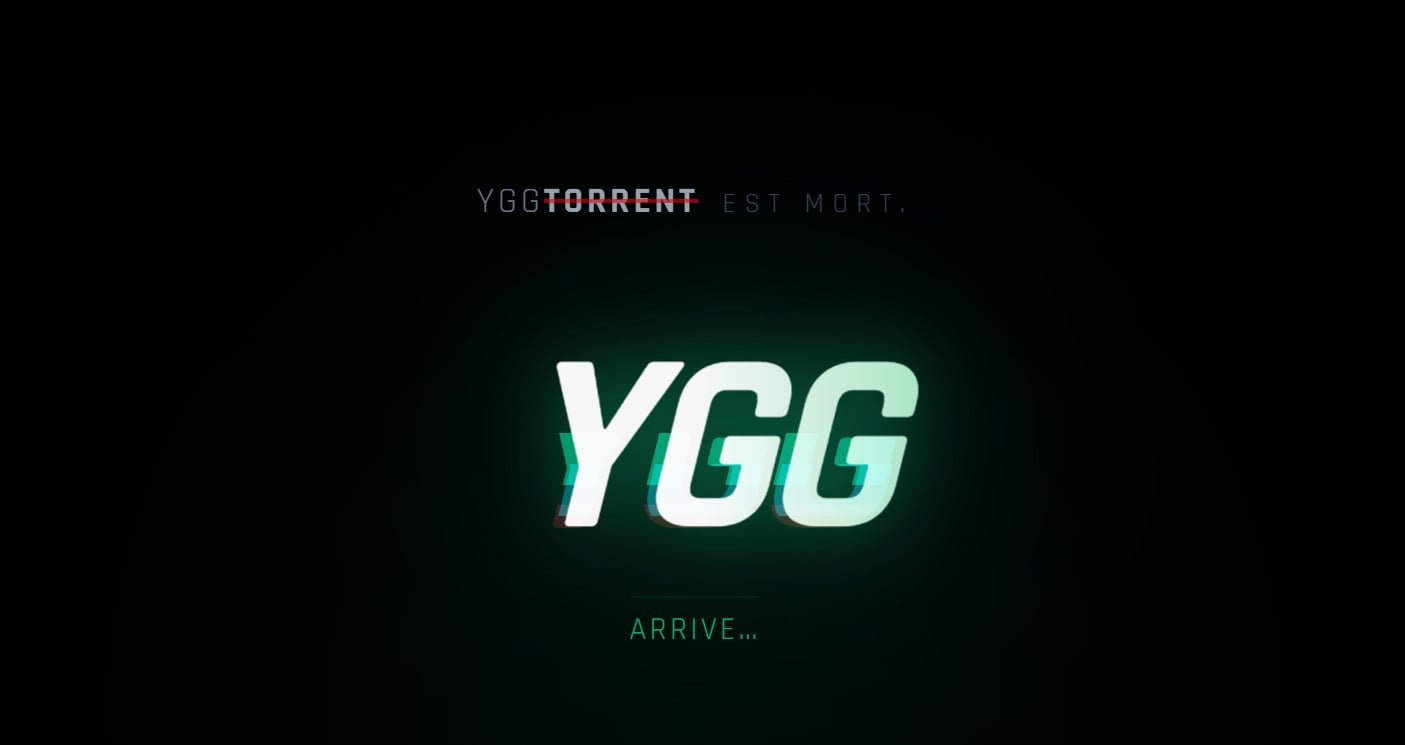
A few days ago, thousands of users stared at a digital void. The loading wheel spun, the browser timed out, and the whispers began on Discord servers and private forums: YggTorrent was gone for good. The site, which has acted as a lighthouse for the French-speaking file-sharing world for years, seemed to have finally hit the rocks of legal pressure or internal fatigue. But the digital afterlife works in mysterious ways.
The Resurrection Code
Quietly, and without a flashy press release or a grand apology, the pulse started beating again. The developers behind the curtain signaled that the end wasn't actually the end, but rather a temporary blackout. In the world of grey-market tech, permanence is a myth, yet this specific comeback feels different because of the sheer finality of the previous announcement. It turns out that shutting down a massive network is much harder than simply flipping a switch.
The logistics of moving petabytes of data is like trying to relocate a mountain while nobody is looking. The team behind the tracker likely spent the last seventy-two hours in a frantic dance of server migrations and database cleaning. The irony of the situation is that every time a major node like this goes dark, it creates a vacuum that the internet simply refuses to leave empty.
The digital world has a short memory for failure and a long appetite for survival.
A Game of Cat and Mouse in the Clouds
Running a tracker of this magnitude is akin to building a house on a shifting sand dune. You know the wind is going to blow; the only question is whether your foundations can withstand the gust. For YggTorrent, the constant pressure from copyright enforcement groups has turned their operation into a nomadic existence. They change extensions like people change socks, moving from one country’s top-level domain to another to stay one step ahead of the court orders.
Founders and developers in this space live in a state of perpetual readiness. They aren't just writing code; they are managing a massive logistical puzzle that involves hidden proxies and anonymous payment systems. When the site went offline, most observers assumed the legal net had finally tightened enough to choke the life out of the project. Instead, it seems the developers were just catching their breath and looking for a new place to stand.
The Human Side of the Tracker
For the average user, these sites are more than just a place to find a movie or a piece of software. They are cultural hubs where archivists obsess over metadata and quality. There is a strange, paradoxical sense of community in these spaces, built on the shared act of circumventing the system. When a site like this returns from the dead, it reinforces a sense of digital invincibility that keeps the community coming back.
Digital marketers and tech observers watch these cycles with a mix of fascination and dread. It shows that even with massive resources, the traditional structures of the internet struggle to contain a decentralized collective that wants to share. As the site prepares to open its doors once more, the question shifts from if it can survive to how long it can keep up this exhausting marathon.
Late last night, a single update appeared on their communication channel, a brief nod to the fact that they are still here. It didn't offer a deep explanation or a list of reasons. It just reminded everyone that in the digital world, the only thing more certain than a shutdown is an unexpected reboot. Does a platform truly ever die if the people using it refuse to look away?

Generateur d'images IA — GPT Image, Grok, Flux