







The Ghost in the Machine: How a Coffee Maker and a Quick Link Can Drain Your Bank Account
The Anatomy of an Instant Offer
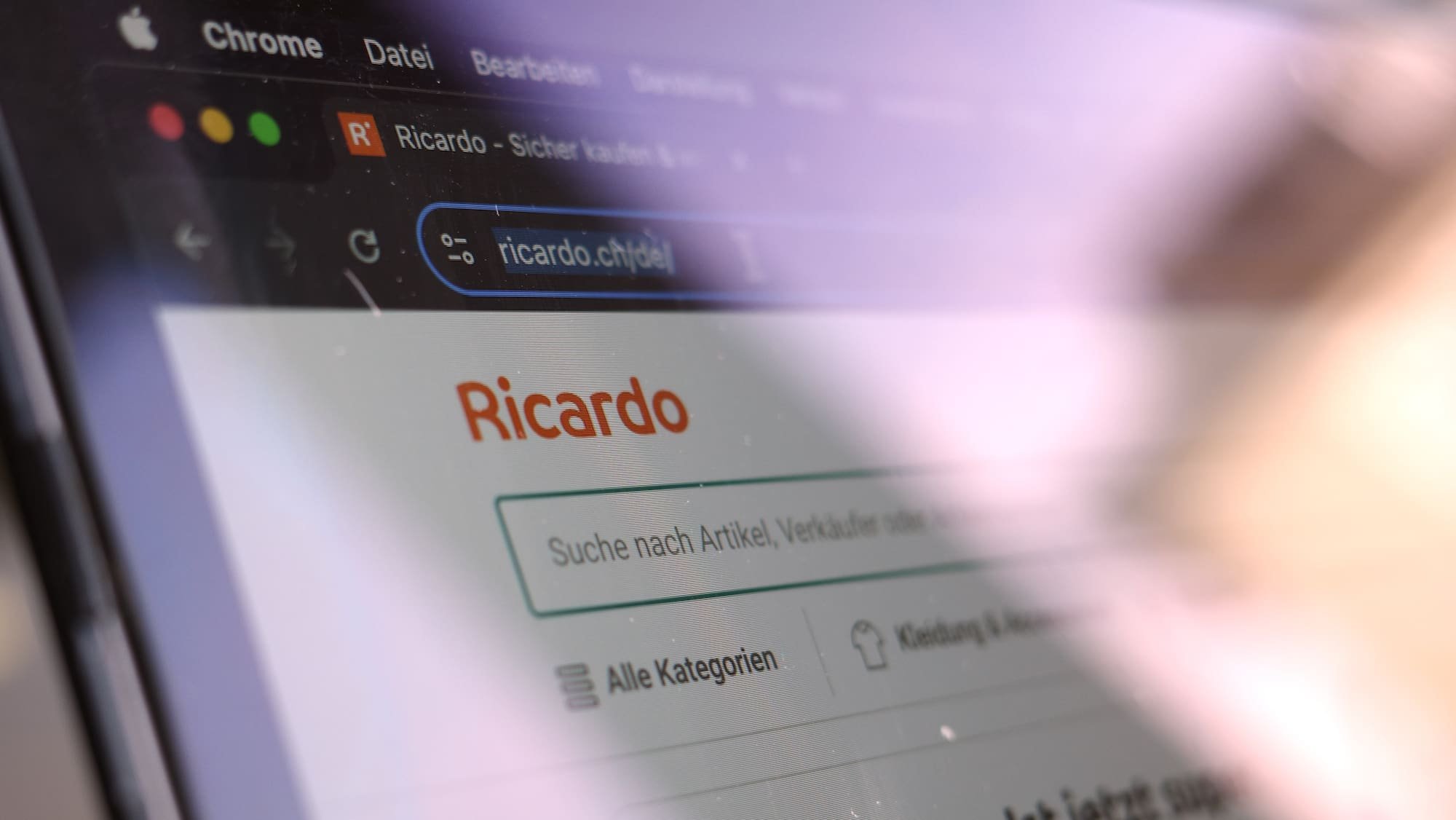
Marc sat at his kitchen table, the smell of fresh grounds lingering as he snapped a photo of his old Nespresso machine. He uploaded the image to Ricardo.ch, priced it at a modest forty francs, and expected to wait a few days for a bite. The notification arrived before he could even finish his cup. A buyer was ready. They didn't want to haggle, and they didn't want to wait for shipping calculations. Instead, they sent a message asking for his phone number to 'coordinate a courier' via a third-party service.
It felt efficient, almost helpful. Within minutes, a WhatsApp message popped up with a sleek link, supposedly from a postal service, designed to help Marc receive his payment instantly. The site looked identical to the official portals we use every day, complete with the right logos and a reassuring blue-and-white color palette. It asked for his credit card details—not to pay, but to 'verify' where the money should be sent. This is where the digital sleight of hand begins, turning a seller into a victim in thirty seconds or less.
The scam relies on the psychological high of a quick sale. When we sell something online, our brains release a tiny hit of dopamine. We are focused on the forty francs entering our pocket, which makes us less likely to notice the subtle red flags in the URL or the slightly formal, stiff tone of the buyer's messages. These attackers aren't looking for your old coffee maker; they are looking for the keys to your entire financial life while your guard is down.
The most dangerous part of this trap isn't the code—it is the way it mimics the helpful convenience we have come to expect from the modern web.
The Vanishing Courier Trick
Ricardo.ch has long been a staple of the Swiss secondhand market, a place built on a foundation of mutual trust. This new wave of fraud exploits that local reputation by introducing a phantom middleman. The buyer claims they cannot pick up the item personally and suggests a courier service like Swiss Post or DPD will handle everything. They promise the courier will even bring the cash or that the money is already ‘held’ by the shipping company, waiting for the seller to click a link and claim it.
Once the seller enters their card information on the fake page, the attackers don't just stop at the card number. They often trigger a fake 3D Secure verification page, asking the victim to enter the code sent to their phone. In that moment, the seller isn't authorizing a deposit; they are approving a high-value purchase made by the scammer on the other side of the world. By the time the seller realizes the coffee maker is still sitting on their counter, their bank account has already been lightened by thousands of francs.
Security experts point out that these pages are becoming increasingly difficult to spot. They use encrypted certificates (the little padlock icon in the browser) to create a false sense of safety. They often include live chat widgets where a 'support agent' guides the victim through the theft, answering questions in real-time to prevent the seller from pausing to think. It is a high-touch, high-fraud operation that treats identity theft like a customer service journey.
Protecting the Digital Handshake
Avoiding these traps requires a return to the basics of online commerce. Ricardo.ch and similar platforms are designed to keep the entire transaction within their own walls. When a buyer tries to pull the conversation away to WhatsApp or SMS, they are effectively leading you out of a monitored shop and into a dark alley. Genuine buyers on these platforms rarely have a reason to demand your phone number or email address immediately, as the internal messaging system handles everything needed for a standard sale.
The golden rule of the secondhand market remains unchanged: never enter credit card details to receive money. Standard banking works via IBAN or dedicated payment apps that don't require your CVV code or card expiration date to send you funds. If a link asks for the numbers on the front and back of your card, it is a one-way street where the only thing moving is your balance. Marc eventually noticed the URL didn't quite match the official post office domain, closing the tab just seconds before hitting 'confirm'. Others aren't always so lucky.
As these platforms grow, the friction between convenience and security becomes more apparent. We want things to be fast, but speed is often the predator's best friend. The next time a notification pings just seconds after you post an ad, take a breath. That old coffee maker in the attic isn't going anywhere, and your bank account shouldn't either.

Editeur PDF gratuit — Modifier, fusionner, compresser