







The Ghost in the Glass Building: Unpacking the Great European Data Leak
The Weight of a Silent Corridor
In a quiet office within the European Quarter of Brussels, a junior policy advisor noticed a slight lag in her email syncing. It was a minor irritation, the kind of friction one ignores in the crush of a deadline. She didn't know that her digital life was being mirrored, byte by byte, into a server thousands of miles away. This was not a loud, crashing entry, but a slow siphoning of the continental psyche.
By the time the Computer Emergency Response Team for the EU (CERT-EU) finished their inventory, the numbers felt heavier than the files they represented. Thirty distinct entities had been compromised. The breach was attributed to a collective known as TeamPCP, a name that evokes a sense of clinical detachment while dealing in the most personal of currencies: the private correspondence of those who govern. They didn't just break a lock; they lived inside the house for months.
Nearly 340 gigabytes of data vanished into the ether. For the bureaucrats who trade in text, memos, and diplomatic subtleties, this wasn't just a loss of property. It was an exposure of the messy, human process that occurs before a law is solidified or a treaty signed. The vulnerability of the institution is now visible through 52,000 leaked emails, each a fragment of a larger, now-shattered privacy.
The Architecture of an Invisible Heist
The digital borders of the European Union are meant to be a fortress, yet they often feel more like a sprawling, ancient library with too many unlocked windows. The attackers found these windows. They moved with a patience that suggested they understood the bureaucratic rhythm of Brussels better than the inhabitants themselves. We are often so focused on the front door that we forget the basement vents, one security analyst noted while reviewing the logs.
The digital fingerprint left behind tells a story of an adversary that wasn't looking for money so much as they were looking for the connective tissue of our governance.
Security cultures are often reactive, built on the rubble of the last disaster. In this instance, the sheer scale of the exfiltration suggests that the monitoring systems were calibrated for an era of warfare that no longer exists. We expect the storm, but we are rarely prepared for the rising damp. The compromise of thirty entities indicates a systemic failure to isolate different branches of the administrative tree.
When a single login can provide a map to thirty different departments, the concept of a perimeter becomes a ghost. It suggests a technical debt that has been accruing for decades. Every time a new agency was added or a legacy system was patched rather than replaced, a new thread was woven into a net that was eventually used to haul in this massive catch of data.
The Afterlife of a Leaked Sentence
Data is often treated as an abstraction, a series of ones and zeros that exist in a vacuum. Yet these emails contain the hesitation of a diplomat, the frustration of a clerk, and the strategy of an elected official. To see them published is to see the human nervous system of the Union laid bare. There is a specific kind of violence in having one's professional interiority made public for anyone with an internet connection to browse.
The group behind the attack, TeamPCP, has effectively turned the EU’s transparency against itself. While the Union prides itself on open governance, there is a necessary space for the private development of ideas. Without that sanctuary, the machinery of statecraft becomes performative and brittle. The fear is no longer just about what was stolen, but about how future conversations will be truncated by the knowledge that someone is always listening.
Now, as the cleanup begins, the mood in Brussels is one of somber reflection. The technical fixes will be implemented; passwords will be changed, and multi-factor authentication will be mandated with new fervor. But the feeling of being watched is harder to scrub away. We are left wondering if the digital age allows for the kind of quiet, secure assembly that democracy actually requires to function.
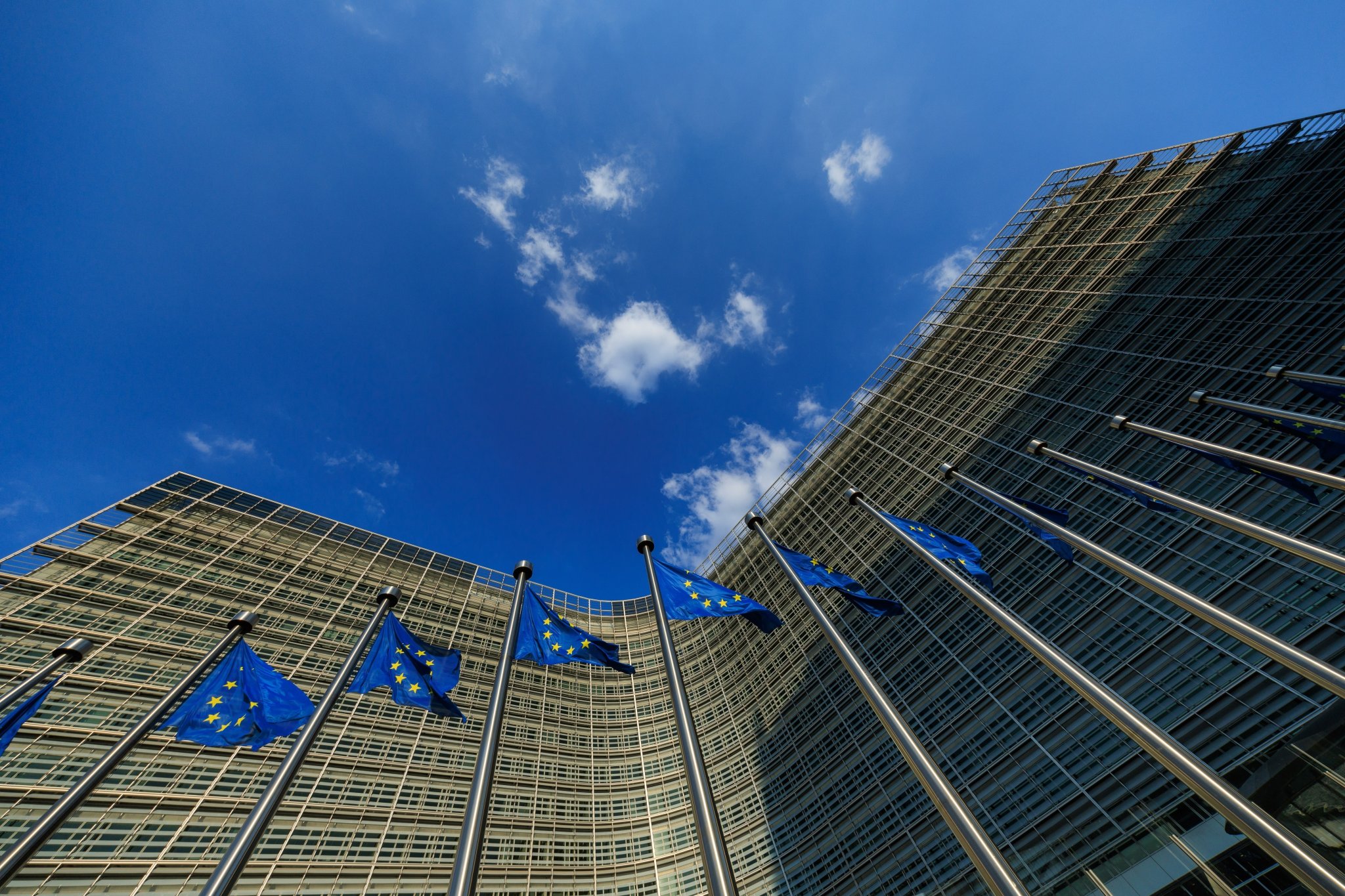
In the evenings, the glass buildings of the European Commission glow like lanterns against the Belgian sky. They look solid, permanent, and impenetrable. Yet somewhere in a folder among fifty-two thousand others, an email remains—a small, human detail now owned by the world, a reminder that our digital lives are only as secure as the trust we place in the invisible wires connecting us.
Chat PDF avec l'IA — Posez des questions a vos documents