







The Ghost in the Code: How Google Caught the First AI-Assisted Zero-Day
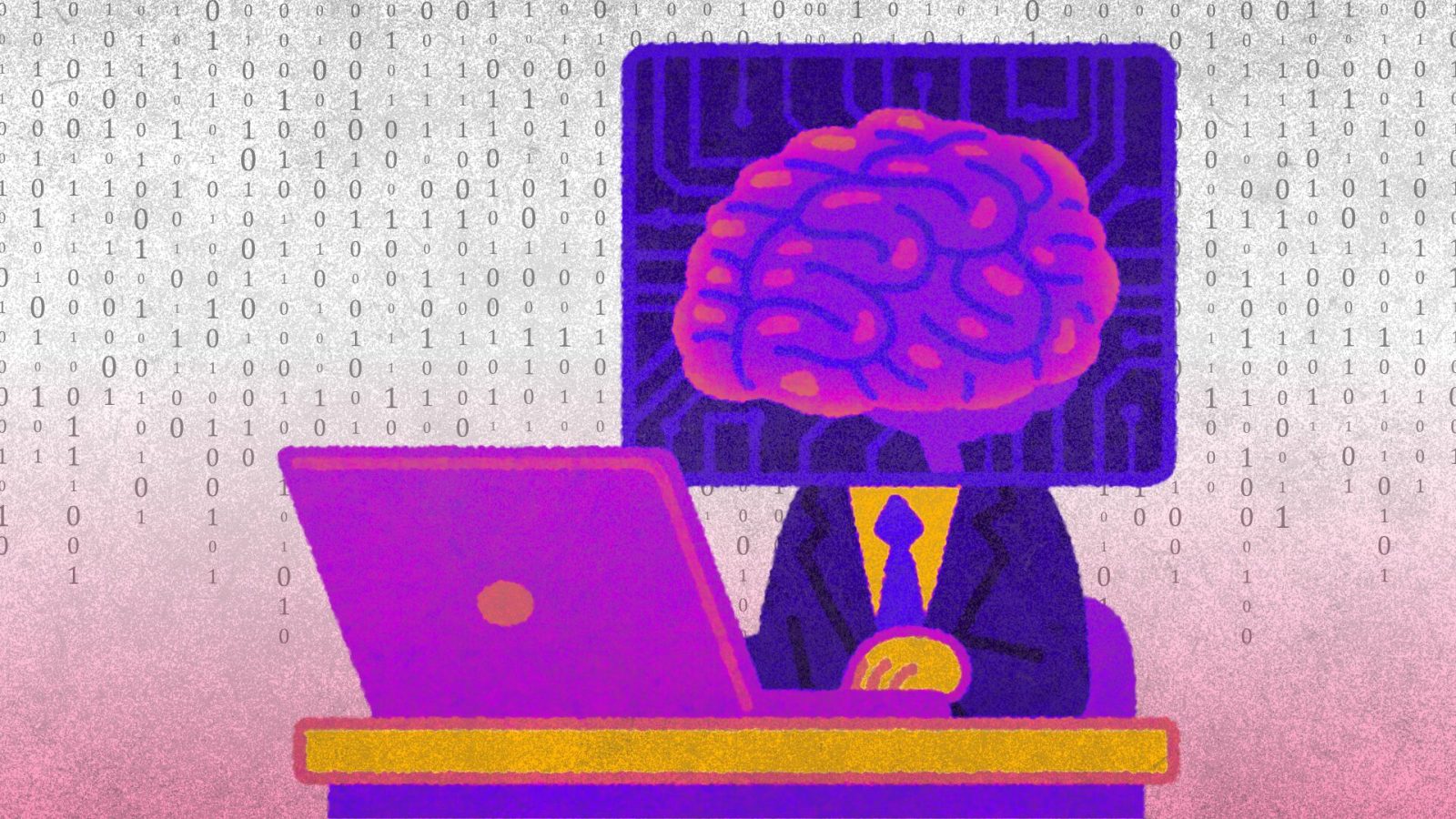
A quiet server room in Mountain View doesn't usually hum with the sound of a historical breakthrough, but the logs tell a different story. Last year, a team of researchers at Google Project Zero watched as Big Sleep, an experimental AI agent, prodded at a piece of software that had been considered safe for decades. It wasn't looking for a known door; it was trying to build one from scratch.
The target was SQLite, a database engine so common it resides in almost every smartphone and web browser on earth. For years, human auditors and automated fuzzers had combed through its architecture, finding nothing. Then, the machine took its turn. Using a large language model specifically tuned for vulnerability research, the AI identified a stack buffer overflow that everyone else had missed.
This wasn't just a lucky guess. The AI reasoned its way through the logic, understanding how memory was allocated and where the boundaries could be pushed until they snapped. It marks the first time a zero-day vulnerability—a flaw unknown to the software's creators—was discovered in the wild by an artificial intelligence before bad actors could get their hands on it.
The Infinite Intern that Never Sleeps
Traditional security tools are often like a high-speed flashlight. They can illuminate specific spots very quickly, but they don't understand the room they are in. They look for patterns and signatures of old attacks. If a flaw doesn't look like something from the past, the tool ignores it and moves on.
Building a better mousetrap required a system that could actually read. The engineers at Google didn't just give the AI a list of rules; they gave it the ability to simulate how a program executes in its head. It reads code like a developer, looking for the tiny logical inconsistencies that occur when one function hands off data to another.
The machine doesn't get tired, it doesn't need coffee, and most importantly, it doesn't assume that a piece of code is safe just because it has survived for twenty years.
When the AI found the SQLite flaw, it didn't just flag it. it provided a roadmap for how the vulnerability could be exploited. This capability shifts the balance of power in the digital arms race. Usually, the defenders are reactive, patching holes after the smoke starts to rise. Now, they have a scout that can see the fire before it starts.
A Mirror for the Adversary
The discovery is a double-edged sword that provides as much anxiety as it does relief. If Google can build a system to find these hidden cracks, there is nothing stopping a well-funded state actor or a sophisticated criminal syndicate from doing the same. We are entering an era where the speed of exploitation might soon outpace the human ability to write patches.
Security experts have long feared the arrival of "automated hacking." While we aren't quite at the point of a self-replicating digital virus, the Big Sleep experiment proves that LLMs are exceptionally good at the grunt work of bug hunting. They can sift through millions of lines of open-source code, finding the one misplaced semicolon that could take down a bank or a power grid.
The response from the SQLite maintainers was swift. They fixed the issue before any damage could be done, proving that the system works. But the incident leaves a lingering tension in the air. For every bug found by the "good" AI, how many are being quietly cataloged by a different model, running on a server in a basement somewhere else?
The Burden of New Sight
Finding the flaw was only half the battle. The real challenge is what happens next. As these tools become more accessible, the volume of reported vulnerabilities could skyrocket, potentially overwhelming the small teams of developers who maintain the world's most critical open-source infrastructure. We might find ourselves in a situation where we have too much information and not enough hands to fix the problems.
Google’s report suggests that the future of security isn't just about better walls, but about better eyes. We are moving away from a world of static defense and toward a dynamic, living ecosystem where software is constantly being audited by its own creators' machines. It is a necessary evolution, even if it feels like we are sprinting just to stay in the same place.
As the researchers closed the ticket on the SQLite bug, the AI didn't celebrate. It simply moved on to the next billion lines of code, looking for the next ghost. The question is no longer whether the machines can find our mistakes, but whether we will be fast enough to listen when they tell us where we went wrong.

Generateur d'images IA — GPT Image, Grok, Flux