







The Ghost in the Browser: How Torg Grabber Reshapes Modern Digital Vulnerability
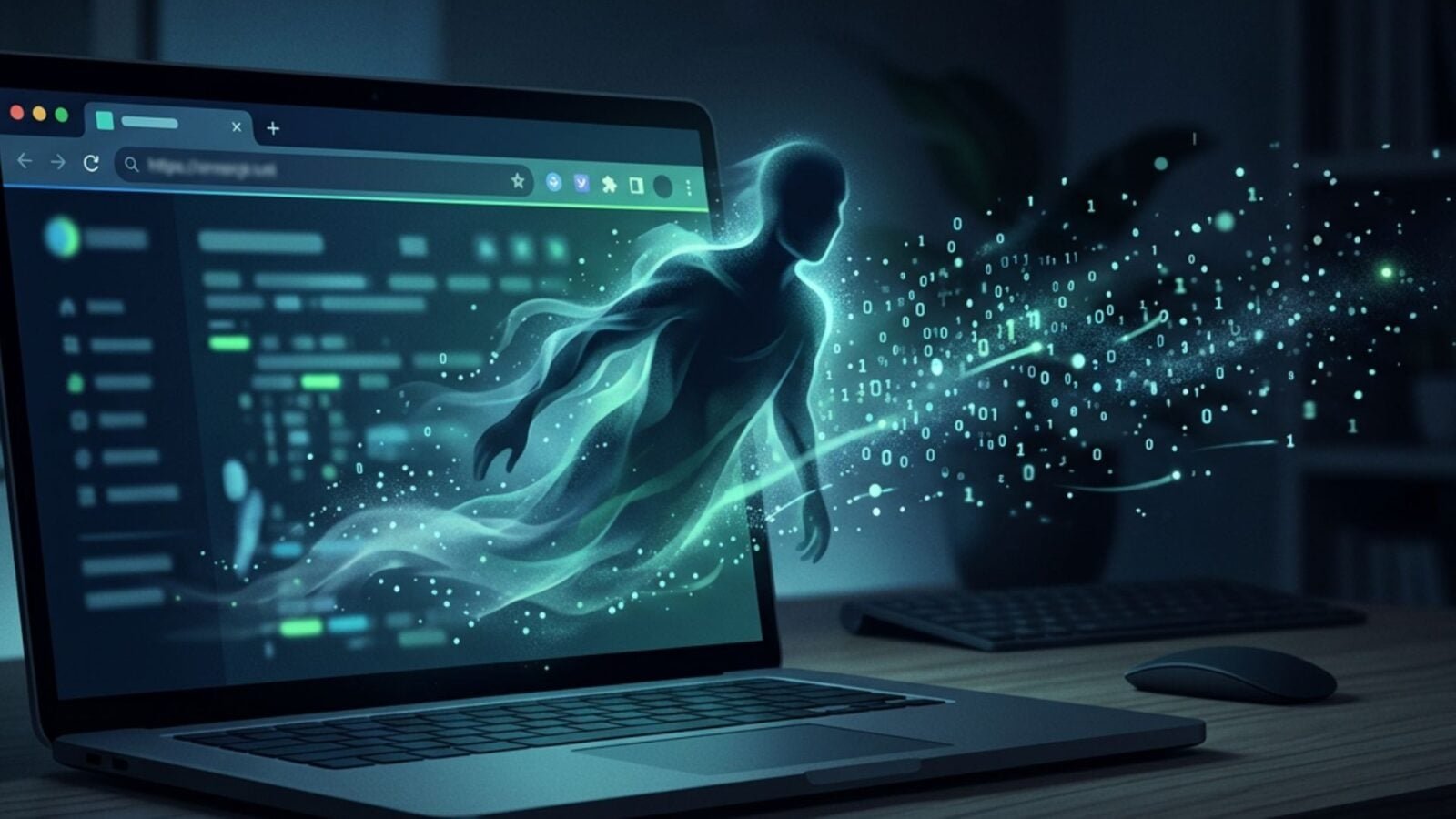
When a freelance developer in Berlin noticed his browser stuttering for a fraction of a second last Tuesday, he didn't call support or run a deep scan. He simply refreshed the page and kept working. He had no way of knowing that in that fleeting moment of latency, a silent intruder had already mapped his digital identity, reaching into the hidden corners of his most trusted browser extensions.
The Architecture of an Invisible Intruder
The malware known as Torg Grabber does not arrive with the bluster of a typical virus. It does not lock screens or demand ransom in bright red letters. Instead, it exists as a whisper in the machine, specifically designed to inhabit the small, helpful tools we add to our browsers to manage passwords, track productivity, or clip articles. It is a quiet tenant that pays its rent by stealing the house piece by piece.
Security researchers have identified that this infection targets approximately 850 different extensions. These are the small bits of software that we often overlook, granting them sweeping permissions to read and change data on every website we visit. By compromising these gateways, the malware gains a vantage point that is almost impossible to detect through traditional means. It watches what we type, captures our sessions, and siphons sensitive credentials while the interface remains perfectly calm.
This is not merely a technical failure but a betrayal of a collective habit. We have been conditioned to see extensions as harmless enhancements, little digital charms that make the internet more habitable. When those charms turn into sensors for data harvesting, the very nature of our interaction with the web changes. We are no longer just browsing; we are being observed from within our own tools.
The Human Cost of Invisible Surveillance
In the quiet rooms where people conduct their private lives, the presence of such a ghost is deeply unsettling. Most people assume that if they are hacked, there will be a sign—a flickering light, a strange file, a sudden loss of access. Torg Grabber operates on the opposite principle, thriving on the continuity of the status quo. It wants you to feel safe so that you continue to feed it information.
"We used to look for the broken window or the forced lock, but this is like discovering the mirror in your bedroom has been a camera for three years," says Elena Vance, a digital privacy advocate based in London.
The psychological toll of this kind of breach is distinct from the financial one. It introduces a persistent friction into the act of being online. Every login becomes a moment of hesitation. Every saved password feels like a potential liability. We are forced to confront the reality that the convenience we have spent a decade building is a fragile scaffolding held together by trust that may no longer be earned.
Developers are now left to grapple with the aftermath of this exposure. For those who build these extensions, the realization that their code served as a Trojan horse is a heavy burden. They are finding that the openness of the browser ecosystem, which allowed for such rapid innovation, is also its greatest weakness. The walls between our private data and our public activity have become dangerously thin, perforated by the very apps we chose to install.
As the sun sets over a tech hub in Seattle, a programmer stares at a list of permissions on a new plugin, his finger hovering over the install button. He eventually closes the tab. The ghost hasn't gone away, but the way we invite it into our lives is changing, one cautious click at a time. We are learning that in a world of invisible threats, perhaps the most important tool we have is a healthy, quiet suspicion of the things that promise to make our lives easier.

Editeur PDF gratuit — Modifier, fusionner, compresser