







The Encryption Mirage: Why French Cyber Authorities Are Warning Against Cloud Dependency
The illusion of technical immunity
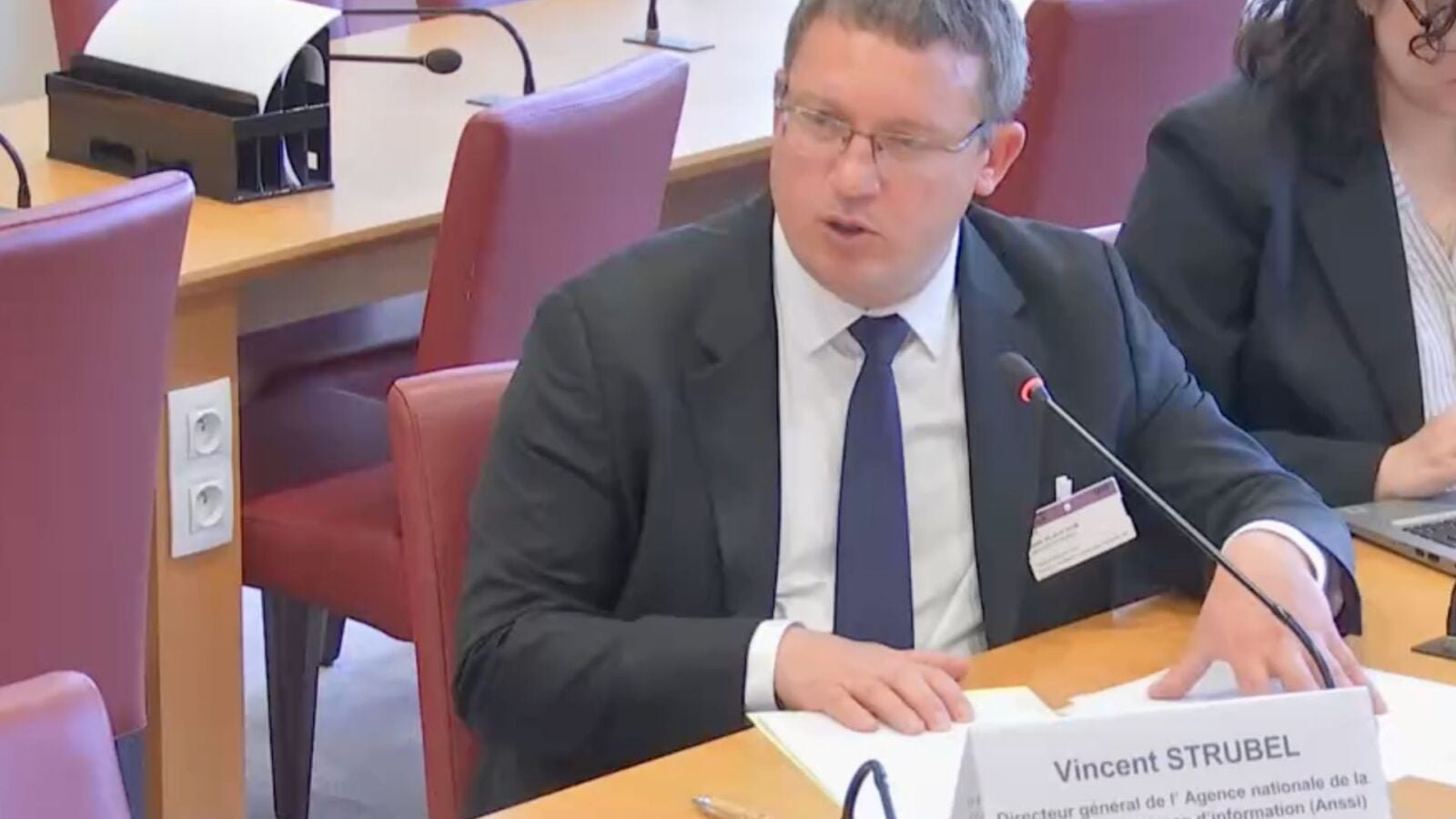
The standard industry narrative suggests that client-side encryption is the ultimate shield against foreign surveillance and jurisdictional overreach. If the keys reside with the user, the theory goes, the physical location of the server becomes irrelevant. However, Vincent Strubel, the director of ANSSI, recently challenged this comfort zone during a parliamentary hearing at the French National Assembly. He argued that the safety net promised by encryption is thinner than most CTOs realize.
The technical reality is that encryption only solves for data confidentiality, not for service continuity or legal compliance. While end-to-end encryption prevents a cloud provider from reading files, it does nothing to stop a provider from terminating access or being compelled by a court order to provide metadata. The gap between what encryption provides and what a business needs to survive is wide and largely unaddressed in current procurement strategies.
The director noted that while encryption is a necessary tool, it provides no protection against the extraterritorial application of US laws or the sudden disconnection from essential digital infrastructure.
This statement cuts through the marketing fluff of global cloud giants who often use encryption as a distraction from the underlying legal frameworks. The Foreign Intelligence Surveillance Act (FISA) and the CLOUD Act do not disappear just because a database is scrambled. If a US-based entity manages the infrastructure, the legal tether remains intact, regardless of where the data centers are physically located on European soil.
The threat of the kill switch
Security is often discussed in terms of hackers and breaches, but the French cybersecurity agency is increasingly worried about geopolitical volatility. Dependency on a single foreign stack creates a vulnerability that no firewall can patch. If diplomatic relations sour or trade policies shift, the ability of a sovereign nation to keep its hospitals, banks, and energy grids running depends entirely on the goodwill of a foreign commercial entity.
Strubel’s testimony highlights that technical autonomy is distinct from technical security. You can have a perfectly secure system that you no longer have the right to turn on. This risk of a 'digital embargo' is not theoretical; we have seen similar scenarios play out in global hardware supply chains. When the software layer is entirely proprietary and hosted abroad, the kill switch is held by a third party whose interests may not align with the client's national security.
The agency is steering organizations toward 'SecNumCloud' certification, which demands more than just strong passwords. It requires legal isolation from non-European jurisdictions. This is not about being anti-American; it is about risk management. Relying on a provider that can be forced by its own government to stop serving you is, by definition, an insecure architecture.
The metadata loophole and the cost of exit
Even if the content of a message is encrypted, the patterns of communication provide a roadmap for intelligence gathering. Who is talking to whom, from where, and at what frequency is often more valuable than the text within the files. Most current cloud architectures are not designed to mask these signals from the infrastructure owner. By focusing solely on encryption, companies are ignoring the massive trail of operational metadata they leave behind.
Furthermore, the financial and technical hurdles of migrating away from a dominant provider act as a form of soft lock-in that undermines security. If it takes eighteen months and millions of dollars to move workloads, a company is effectively a hostage to its provider's legal environment. True resilience requires the ability to switch vendors without collapsing the business, a feat that is nearly impossible in the current ecosystem of proprietary APIs and specialized services.
The survival of European digital sovereignty will not be determined by the strength of an algorithm, but by the physical and legal control of the hardware underneath it. The coming years will reveal whether organizations prioritize the convenience of integrated foreign suites or the safety of disconnected, sovereign alternatives.

Editeur PDF gratuit — Modifier, fusionner, compresser