







The Empty Desk in Bamako: Why the Arrest of Chahana Takiou Matters Far Beyond Mali
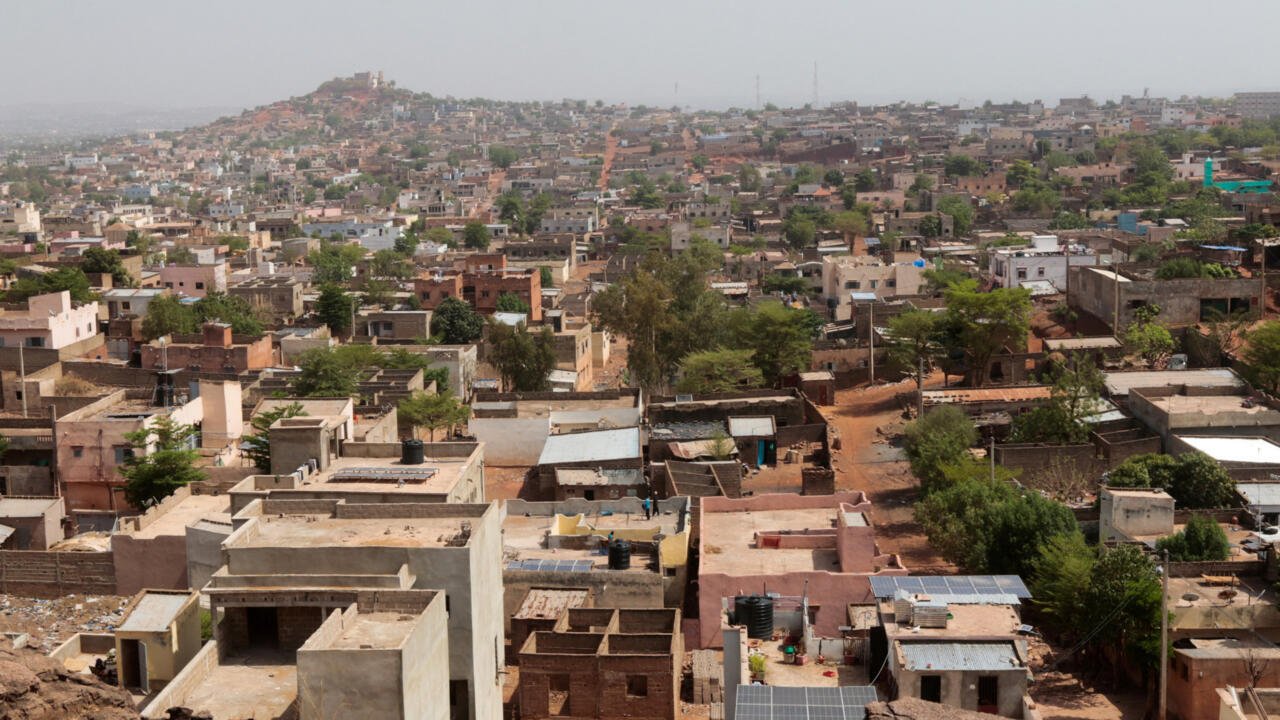
The ceiling fan in the Bamako editorial office of 22 Septembre spins with a dry, metallic rattle, cutting through the heavy West African heat. For years, this room has been a crucible of ink, sweat, and digital copy, sending stories out to a nation navigating turbulent political waters. But since early June, the chair at the head of the main desk has sat completely empty. Chahana Takiou, the newspaper's director and a veteran voice in Malian media, is currently sleeping on a thin mattress in a crowded cell, his health deteriorating with every passing sunset.
His arrest was not a sudden, dramatic midnight raid, but rather the quiet friction of a legal machine that has grown increasingly intolerant of critical voices. Takiou's offense was simple yet incredibly risky: he pointed out that the legal frameworks designed to protect the press were being manipulated by the judiciary to silence it. Now, his legal team is scrambling, launching a desperate bid for his provisional release as his physical condition worsens behind bars.
The Digital Echoes of a Quiet Newsroom
In the modern media environment, publishing a newspaper is no longer just about ink and paper. It is a digital dance of PDFs shared over WhatsApp, articles mirrored on content management systems, and discussions happening in encrypted messaging apps. When a physical printing press faces pressure, these digital echoes remain, making it harder for authorities to truly erase a story.
Yet, this digital footprint also leaves a trail, turning independent journalists into highly visible targets for a state apparatus keen on maintaining control. When a writer hits publish in Bamako, the words do not just stay local; they bounce off servers in Europe, land on feeds in North America, and populate search indexes globally. This interconnectedness means that an attack on one editor is felt across the global digital publishing network.
“When you lock up the editor, you do not just silence a single voice; you freeze the entire digital nervous system of the community.”
The physical reality of imprisonment contrast sharply with the fluidity of the internet. While code can be updated remotely and cloud servers can scale automatically, a human body in a cell cannot be optimized or patched. Takiou's failing health highlights the deep vulnerability of the people behind the platforms we read every day.
The Human Cost of Free Speech
Lawyers arguing Takiou's case face an uphill battle in a system where the lines between political authority and judicial independence have blurred. The defense has pushed for temporary release, citing his urgent medical needs, but the wheels of justice turn slowly when politics are involved. Meanwhile, another journalist has also been swept up in the same net, signaling a wider systemic tightening across the country.
For startup founders, developers, and digital marketers who rely on the free flow of information, this situation serves as a stark reminder. Our digital platforms and content strategies are only as resilient as the physical safety of the people who write the original copy. Without local reporters on the ground, the global web loses its most valuable asset: authentic, verified truth.
As the sun dips below the horizon in Bamako, the staff at 22 Septembre continue to work in the shadow of their director's absence. They upload articles, monitor social media feeds, and keep the servers running, all while wondering who might be next. The empty desk remains a silent monument to a struggle that is happening globally, where the line between a free browser tab and a locked cell is thinner than we care to admit.

Editeur PDF gratuit — Modifier, fusionner, compresser