







The Disconnect of Digital Identity: Why Your Tax Files Cost Less Than a Pizza
The Price of a Digital Life
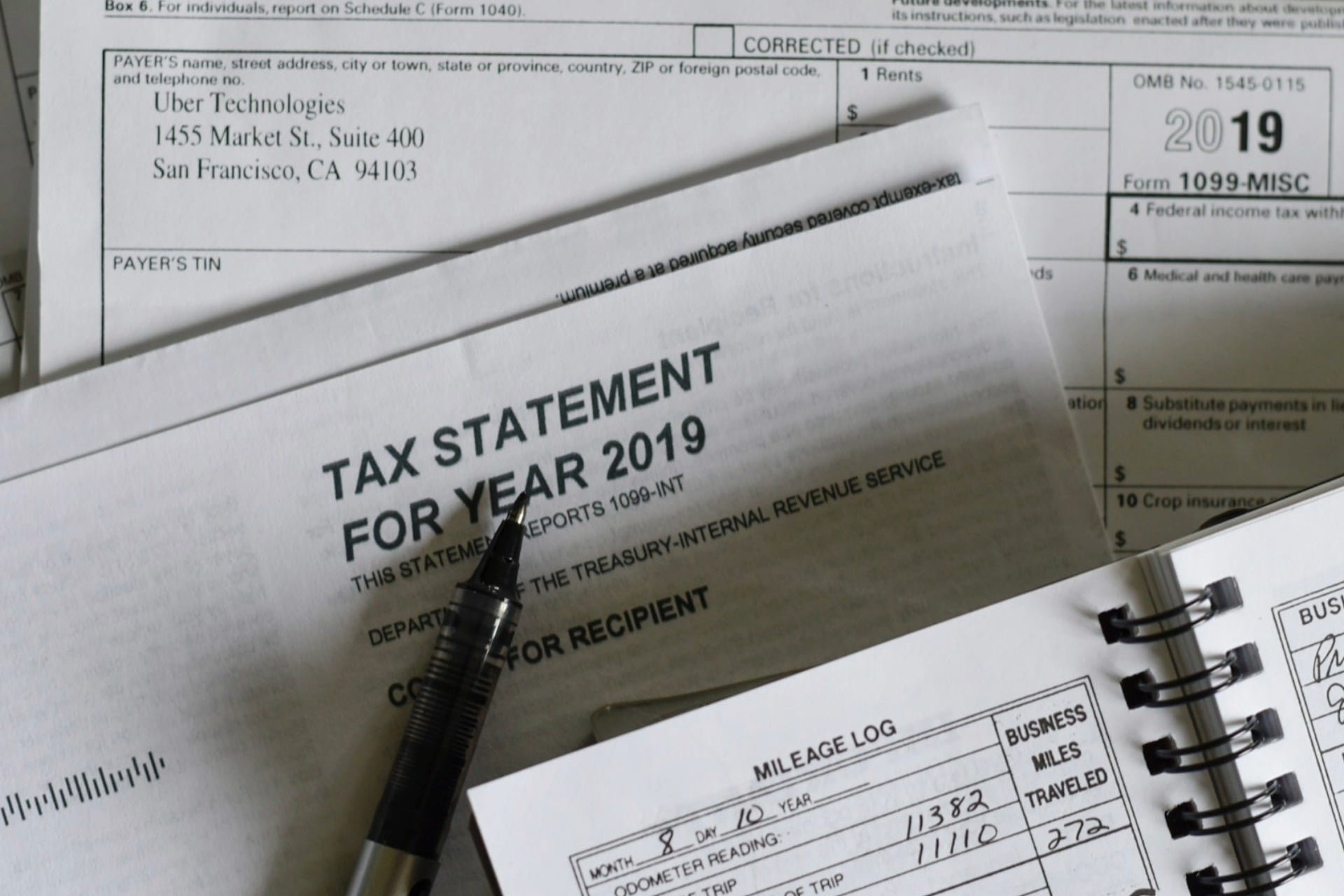
The official narrative surrounding cybersecurity often focuses on high-stakes corporate espionage and million-dollar ransomware demands. However, a quiet flood of inventory in dark web marketplaces reveals a much bleaker reality for the average citizen. Complete tax dossiers, containing everything from social security numbers to annual income and home addresses, are currently changing hands for roughly twenty dollars.
This low price point is not a sign of low value, but of overwhelming supply. When an asset is priced at twenty dollars, it suggests that the extraction of this data has been industrialized. Security firms often talk about impenetrable perimeters and end-to-end encryption, yet the sheer volume of personal tax data available suggests that the leak isn't a drip—it's a burst pipe.
Tax files represent the ultimate identity theft kit, providing enough verified data to open bank accounts, claim fraudulent refunds, and bypass standard credit checks with ease.
The trade in these files exposes the fundamental flaw in our current digital identity infrastructure. We are using static data—information that does not change, like your birth date or tax ID—as a password for life-altering financial transactions. Once these twenty-dollar dossiers are sold, they remain valid indefinitely. Unlike a credit card that can be canceled, you cannot change the historical record of your earnings or your government-assigned identification number.
The Infrastructure of Institutional Negligence
Government agencies frequently point to sophisticated state-sponsored actors as the primary threat to their databases. This framing serves a specific purpose: it shifts the blame from poor internal controls to an unstoppable external force. If the attacker is a foreign intelligence agency, no amount of budget could have stopped them. But the reality of these dark web listings suggests a more mundane failure.
Much of this data is harvested through secondary channels rather than direct breaches of central tax authorities. Accounting firms, regional payroll processors, and third-party financial apps often act as the soft underbelly of the financial system. These intermediaries hold the same high-value data as the government but operate with a fraction of the security oversight. We have built a system where the weakest link determines the safety of the entire chain.
Developers and founders building in the fintech space often prioritize user experience over friction-heavy security. This drive for frictionless onboarding has created a gold rush for those holding stolen tax dossiers. If a startup can verify an identity in seconds using only the data found in a twenty-dollar tax file, they aren't just facilitating growth; they are inadvertently laundering stolen identities into the legitimate financial system.
The False Security of Multi-Factor Authentication
We are told that two-factor authentication and biometric verification are the cures for identity theft. This ignores the fact that a complete tax dossier provides the answers to the 'out-of-wallet' questions used by credit bureaus to reset those very security measures. When a criminal knows your previous address, your exact income from three years ago, and the names of your dependents, they can often social-engineer their way past automated defenses.
The market for these files is self-sustaining because the return on investment is astronomical. A twenty-dollar purchase can yield a five-figure fraudulent tax refund or a pre-approved car loan. As long as the cost of the data remains low and the potential payout remains high, the incentive to secure this information will always lag behind the incentive to steal it. The technical debt of our aging government systems is now being paid by citizens whose identities are being sold in bulk.
The ultimate test of this crisis will not be found in a new encryption standard or a more complex password policy. It will be determined by whether government agencies move away from using static personal history as a method of authentication. Until we stop treating a list of past facts as a secure key, the price of your digital identity will continue to drop until it hits zero.
Chat PDF avec l'IA — Posez des questions a vos documents