







The Digital Front Line: How Poland Is Rewriting the Playbook on Hybrid Defense
The Invisible Border Under Pressure
For decades, national security was measured by the number of tanks at a border or the range of physical artillery. Today, a new kind of friction exists that does not leave physical craters but can paralyze a city just as effectively. Poland has become the primary testing ground for this modern conflict, facing a constant stream of digital interference that experts call hybrid warfare.
This strategy does not rely on a single knockout blow. Instead, it uses a thousand small cuts: a surge in junk data to crash government websites, the spread of fabricated stories to erode public trust, and attempts to probe the software governing power grids. By staying just below the threshold of open conflict, these tactics aim to create a state of permanent instability.
Building the Digital Shield
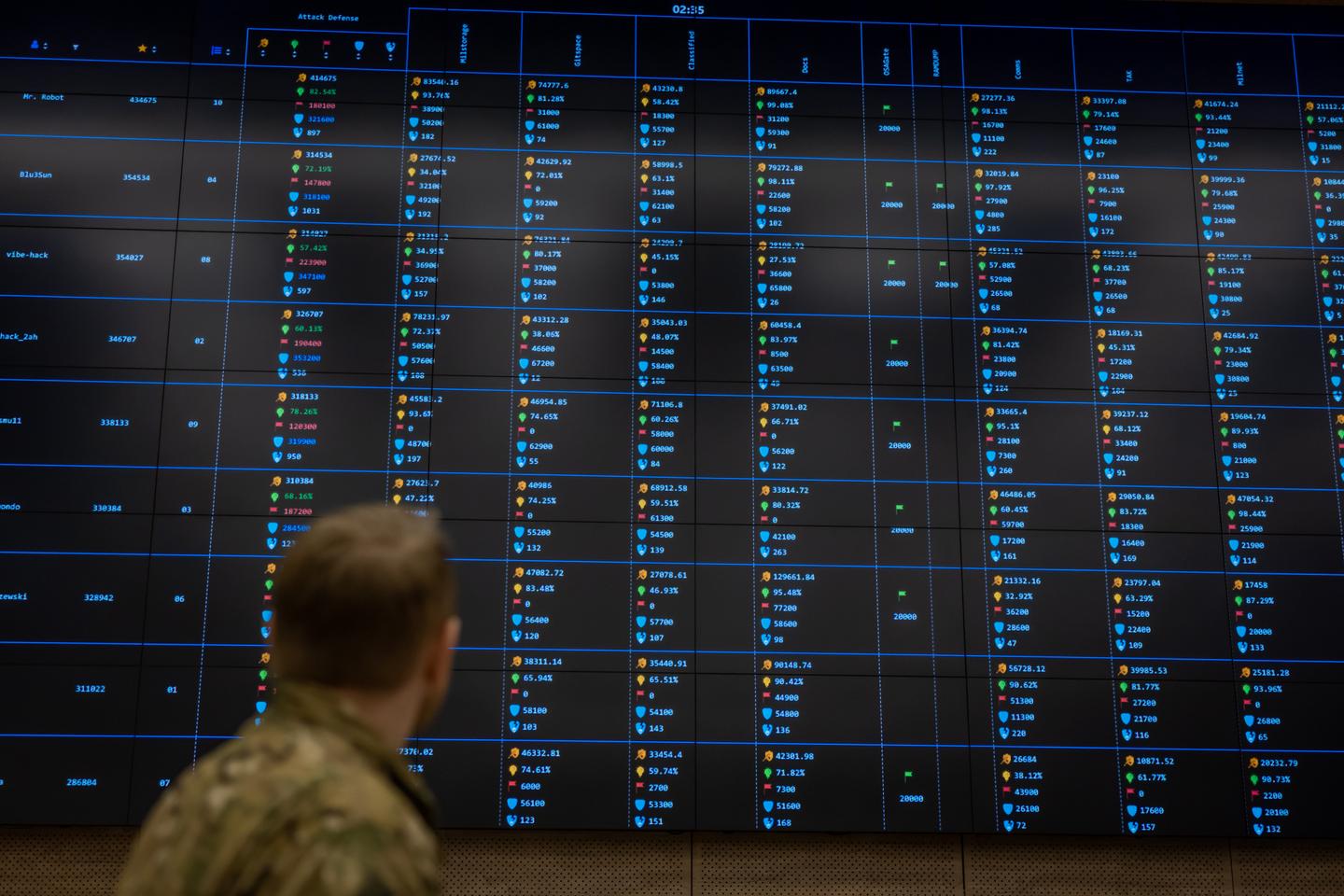
In response to these persistent threats, Poland has established specialized command centers that act as a central nervous system for national defense. These facilities monitor the country's data traffic in real-time, looking for the digital fingerprints of coordinated attacks. Much of this activity originates from infrastructure located in Russia and Belarus, targeting everything from local municipalities to national logistics networks.
The defense strategy focuses on three specific pillars:
- Infrastructure Hardening: Ensuring that the software running water, electricity, and banking systems is isolated from the public internet where possible.
- Attribution and Tracking: Identifying the specific groups behind an intrusion to understand their patterns and predict their next move.
- Public Resilience: Educating the workforce to recognize sophisticated phishing attempts that serve as the entry point for larger breaches.
The Mechanics of Coordination
What makes Poland's approach distinct is the integration between civilian tech experts and military strategists. In the past, these two groups worked in silos. Now, they share a single screen. When a hospital's database is locked by ransomware, it is no longer treated as a simple criminal matter; it is analyzed as a potential distraction or a probe into national readiness.
Why This Matters Beyond the Border
The tactics being refined against Poland provide a preview of the challenges other nations will soon face. Digital interference is cheap to execute and difficult to trace, making it an attractive tool for any state looking to exert influence without declaring war. By watching how Poland defends its digital perimeter, other governments are learning how to secure their own systems.
This shift requires a change in how we think about security. It is no longer about building a taller wall, but about creating a more flexible and observant network. Resilience is the new priority—the ability to take a hit, isolate the damage, and keep the lights on without the public even noticing a disruption occurred.
Now you know that modern defense is less about the hardware you can see and more about the invisible code that keeps a society functioning under pressure.
Planificateur social media — LinkedIn, X, Instagram, TikTok, YouTube