







The Cegedim Breach: Behind the Theft of 15 Million Medical Records
The Anatomy of a Quiet Catastrophe
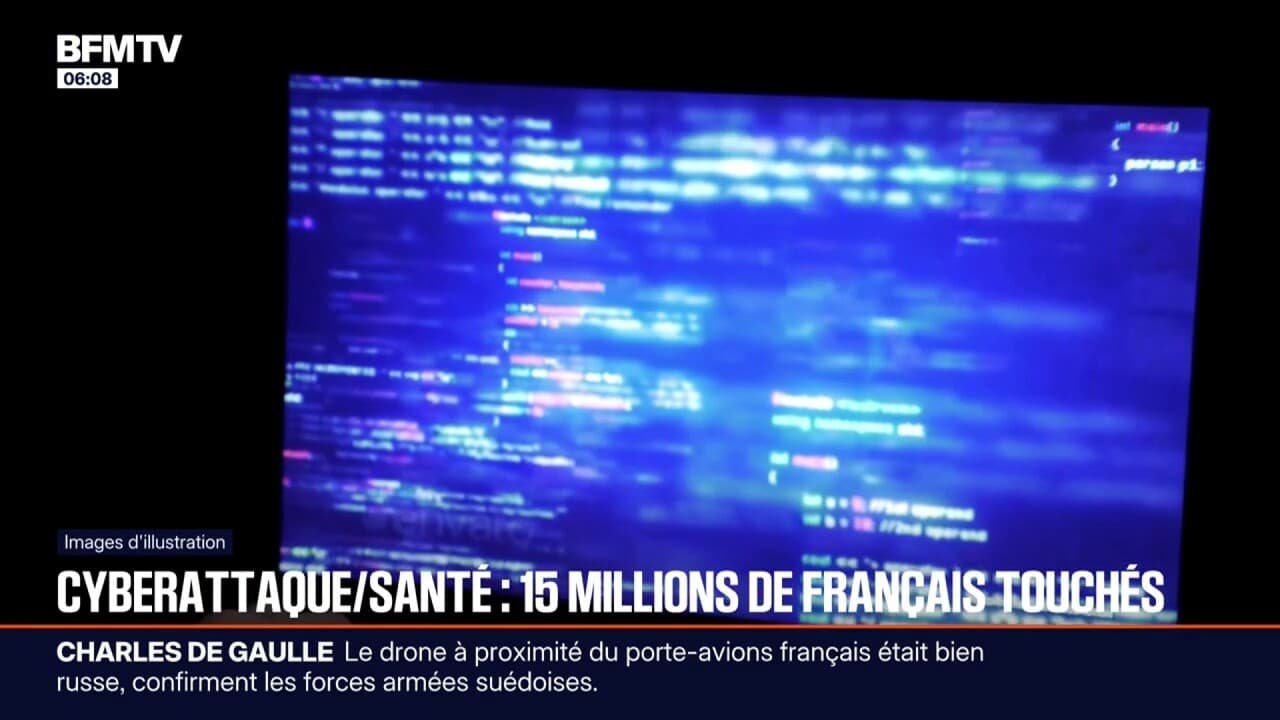
The official notification reads like a standard security update, but the scale of the Cegedim breach suggests something far more systemic. While the company points toward an external intrusion at one of its subsidiaries, the reality is that 15 million French citizens just had their clinical histories effectively privatized by unknown actors. This is not a simple leak of email addresses or passwords; it is an exposure of the most intimate data points a human can generate.
We are looking at a dataset that includes full names, dates of birth, and, most critically, detailed medical annotations written by physicians. These notes often contain sensitive context regarding chronic illnesses, mental health status, and family histories that were never intended to leave the encrypted confines of a doctor's workstation. The breach targets the core of the patient-provider trust, turning private consultations into permanent digital liabilities.
Our priority remains the security of our systems and the protection of the data entrusted to us by healthcare professionals.
This statement, while standard PR protocol, ignores the structural fragility of the medical software ecosystem. Cegedim operates as a middleman in the flow of information, a position that provides high margins but concentrated risk. When a single point of failure can compromise nearly a quarter of a national population, the narrative of "solid security" begins to erode. The investigation must focus on how a subsidiary managed to hold such a massive, unencrypted, or poorly protected cache of data in a single reachable environment.
The Value of a Medical Identity
Hackers are no longer interested in credit card numbers that can be canceled with a phone call; they are hunting for permanent identifiers. A medical record is a high-value asset on the dark web because it cannot be reset. The presence of doctor annotations makes this specific leak particularly lucrative for insurance fraud and targeted phishing campaigns. By knowing exactly what a patient is suffering from, a bad actor can craft a perfectly timed scam that appears to come from a legitimate health authority.
The financial implications for Cegedim are secondary to the long-term risk for the individuals involved. While the company may face fines under GDPR, those penalties are often viewed as a cost of doing business rather than a deterrent. The real question is why these records were accessible in a format that allowed for such a massive bulk extraction. Modern database architecture allows for tokenization and granular access controls that should, in theory, make a 15-million-record theft nearly impossible to execute without triggering immediate lockdowns.
Market analysts often overlook the technical debt inherited through acquisitions. Large firms like Cegedim often grow by buying smaller software providers, resulting in a patchwork of legacy systems that are difficult to monitor. If the breach occurred at a subsidiary, it suggests that the security standards of the parent company were not successfully integrated across its entire infrastructure. This gap between the corporate image of high-tech safety and the reality of fragmented legacy code is where these vulnerabilities hide.
The Accountability Gap
There is a persistent lack of transparency regarding the timeline of the detection versus the timeline of the actual theft. We often see a delay of weeks or months before the public is notified, giving attackers a significant head start to monetize the stolen data. In this instance, the sheer volume of data suggests a slow, methodical extraction rather than a sudden burst, raising questions about the efficacy of Cegedim's internal traffic monitoring.
Security researchers have long warned that the healthcare sector is the soft underbelly of national infrastructure. The focus is almost always on the front-end user experience for doctors rather than the back-end integrity of the data stores. Until the industry moves away from centralized, monolithic databases of patient info toward more decentralized or zero-knowledge architectures, these mass-scale leaks will continue to be a seasonal occurrence.
The ultimate survival of this platform depends on whether Cegedim can prove this was a sophisticated state-sponsored attack or merely a failure to implement basic database hygiene. The deciding factor for the company's future will be the upcoming audit results from data protection authorities, which will reveal if the data was stored in plain text or if the encryption keys were simply left on the digital front porch.

Createur de videos IA — Veo 3, Sora, Kling, Runway