







The Brutal Reality of Critical Infrastructure as a Service
The High Cost of Unnecessary Connectivity
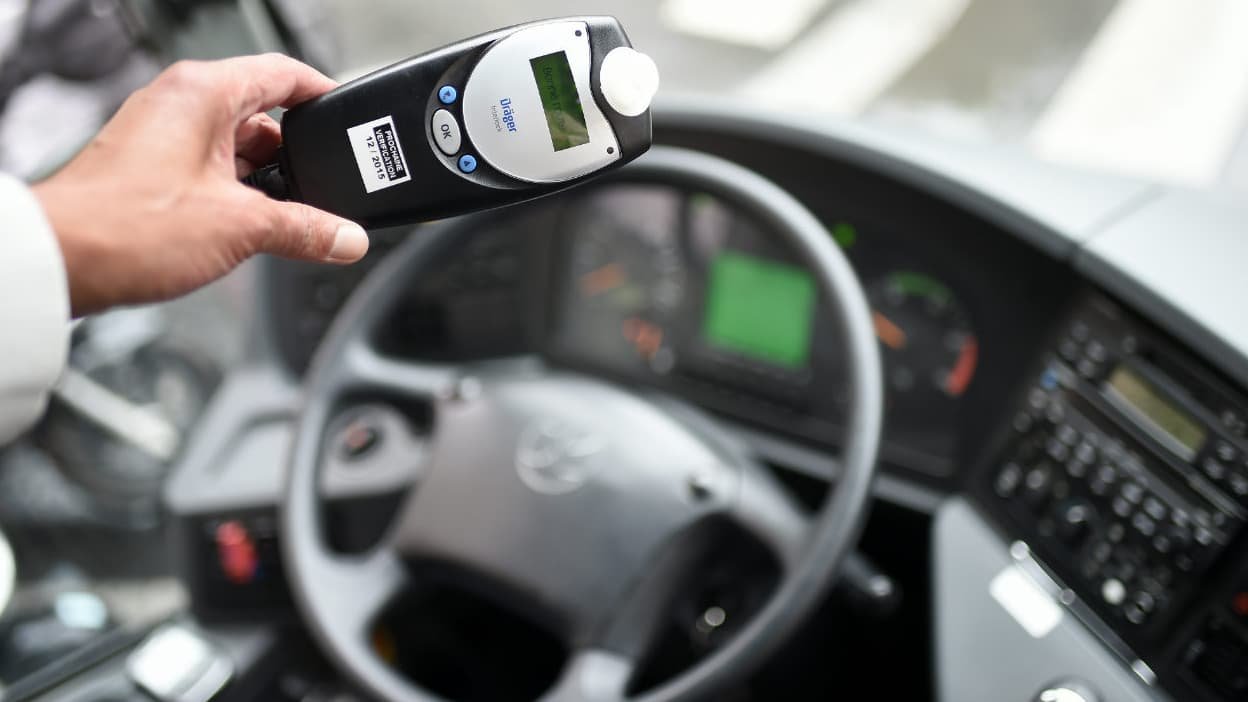
The recent collapse of Intoxalock’s network demonstrates exactly why the current obsession with putting every mechanical function behind a cloud-based gate is a recipe for disaster. When a cyberattack hit the company on March 14, it didn't just compromise some user data or crash a dashboard. It physically immobilized thousands of vehicles across the United States. Drivers who are legally required to use these ignition interlock devices found themselves unable to start their cars, even when completely sober.
This is the fundamental flaw of the modern software stack applied to physical hardware. We have traded local reliability for centralized control, and the tax on that trade is now being paid by people who can’t get to work or pick up their children. If a device does not require the internet to perform its primary function, adding a modem is not progress; it is a liability.
For years, the tech industry has operated under the assumption that everything is better when it is 'smart.' In reality, 'smart' usually just means 'vulnerable to someone else's server configuration errors.' Intoxalock isn't just a victim of a hack; they are the architects of a system that lacked a meaningful offline fail-safe.
Regulation Without Redundancy
The legal system mandates these devices, yet it seems to have ignored the technical fragility of the companies providing them. When a court orders a citizen to install an interlock, it is effectively forcing them to rely on a private company's uptime.
The situation has left thousands of drivers stranded, unable to bypass the system even for emergencies, highlighting a total lack of contingency planning.This oversight is a systemic failure. If the state requires the technology, the state should also require that the technology works without a handshake from a remote server every time the key turns.
Companies like Intoxalock prefer the connected model because it allows for easy data harvesting and remote monitoring. It is a business model masquerading as a safety feature. The moment the data stream became more important than the mechanical utility, the user lost. We are seeing the same pattern in everything from smart locks to connected tractors. When the cloud goes away, the hardware turns into a brick.
The irony is that these systems are sold as a way to increase safety and accountability. Instead, they have created a brand new category of risk. A single point of failure in a data center in another state can now stop a car in a driveway in the Midwest. That is not a safer world; it is a more fragile one.
The Illusion of Remote Management
Engineers often justify these architectures by claiming they allow for faster updates and better support. Yet, when the crisis hit, the support was nowhere to be found.
Users reported hours of wait times and a total lack of communication from the company while their vehicles remained locked.This is the inevitable result of scaling a service-based business without scaling the human infrastructure to support it when the 'automated' part fails.
We need to stop treating connectivity as a default state. For critical infrastructure—and yes, the ability to operate a vehicle is critical infrastructure for most of the population—the default state must be local autonomy. A car should start because the driver is sober, not because a database says the subscription is active.
The Intoxalock incident should serve as a wake-up call for regulators and developers alike. We are building a world where we don't actually own the things we pay for; we merely license the right to use them until a hacker or a server outage says otherwise. Until we demand local-first hardware, we are all just one timeout away from being stranded.

Editeur PDF gratuit — Modifier, fusionner, compresser