







The Art of the Silent Receiver
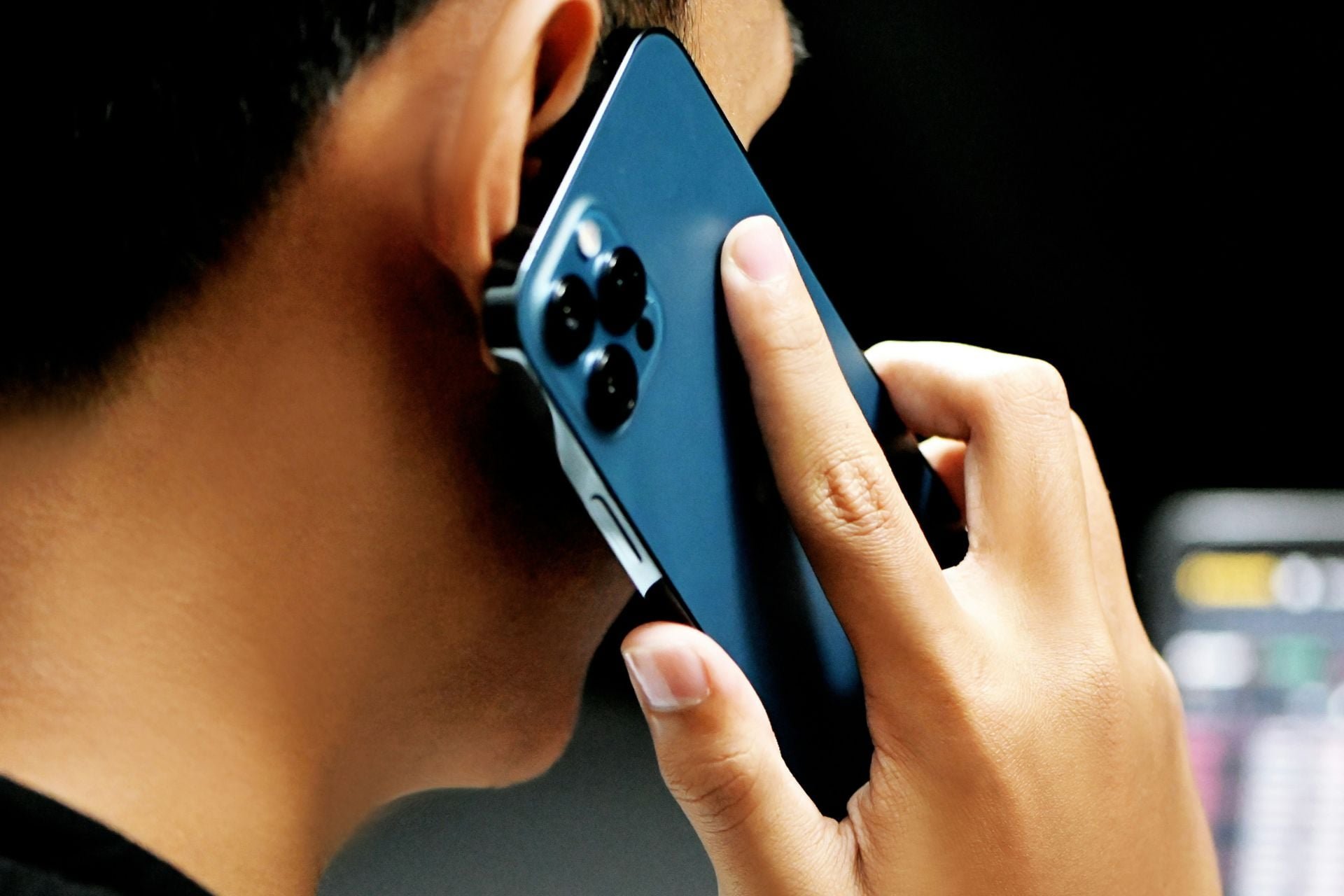
The Mimicry of the Local Number
When the screen on Clara’s desk began to glow at mid-afternoon, she paused her digital pen. The display showed a number starting with her local area code—a sequence that could easily belong to her dentist or her local bakery. She swiped to answer, whispered a tentative hello, and was met with a hollow, echoing stillness before a synthetic beep announced the arrival of a distant human voice. Clara pressed the red icon, feeling a tiny, familiar prickle of irritation.
This minor drama plays out millions of times every day in apartments and offices across the world. The telephone, once a celebrated instrument of intimate connection, has increasingly become a vector for psychological intrusion. What was once an invitation to engage has transformed into a chore of defensive screening.
We find ourselves trapped in a constant state of low-level hypervigilance. Every ring is a puzzle, a tiny test of our social obligations versus our desire for peace. In trying to navigate this modern nuisance, our natural human instincts often lead us directly into the hands of the machines.
The Machinery of Our Irritation
To understand the futility of our usual responses, one must understand how these operations actually function. The voice on the other end of the line is almost never dialing your number by hand. Instead, they are supported by sophisticated predictive dialers, algorithms designed to call dozens of numbers simultaneously. The software listens for human sound, waiting for the precise acoustic signature of a voice saying hello before routing the call to a waiting representative.
When we answer these calls with anger, we feel a brief sense of agency. We shout, we demand to be removed from registries, or we lecture the caller on the sanctity of our private time. But this theater of outrage is entirely counterproductive to our long-term peace.
To the database tracking your digital footprint, an angry response is still a successful transaction. You have confirmed that the line is active, that a real human is listening, and that you possess a high emotional capacity for engagement. Your anger merely elevates your value on the list of active targets, ensuring your details are sold to the next dialer.
The Power of the Unspoken Word
If confrontation fails, and hanging up simply keeps us on the carousel, we are left with a quieter, more radical alternative. This is the strategy of absolute stillness. When an unknown call arrives, and we choose to answer, we must resist the deeply social urge to speak first.
By remaining silent, we deny the predictive dialer the acoustic trigger it desperately needs to connect the call. The software registers the quiet line as an inactive connection, a dead end in its web of data. After a few seconds of silence, the system simply disconnects, cataloging the number as a non-productive asset.
“The machine does not care about your anger; it only measures your presence. To speak to them, even to say no, is to exist on their map.”
There is a quiet dignity in this refusal to participate. It requires us to suppress our polite programming, to ignore the social pressure that demands a reply when spoken to. In a culture that constantly demands our participation and feedback, withholding our voice is the ultimate form of digital friction.
As dusk fell over Clara’s apartment, her phone illuminated the corner of her wooden desk once more. The screen flickered, pulsing with another unfamiliar sequence of digits. This time, she did not reach out her hand to answer or to reject. She watched the blue light rise and fall in the dimming room, letting the silence of her home absorb the electronic invitation, keeping her private world safely out of reach.

Createur de videos IA — Veo 3, Sora, Kling, Runway