







The Architecture of Anxiety: How Poland is Rebuilding the Concept of a Border
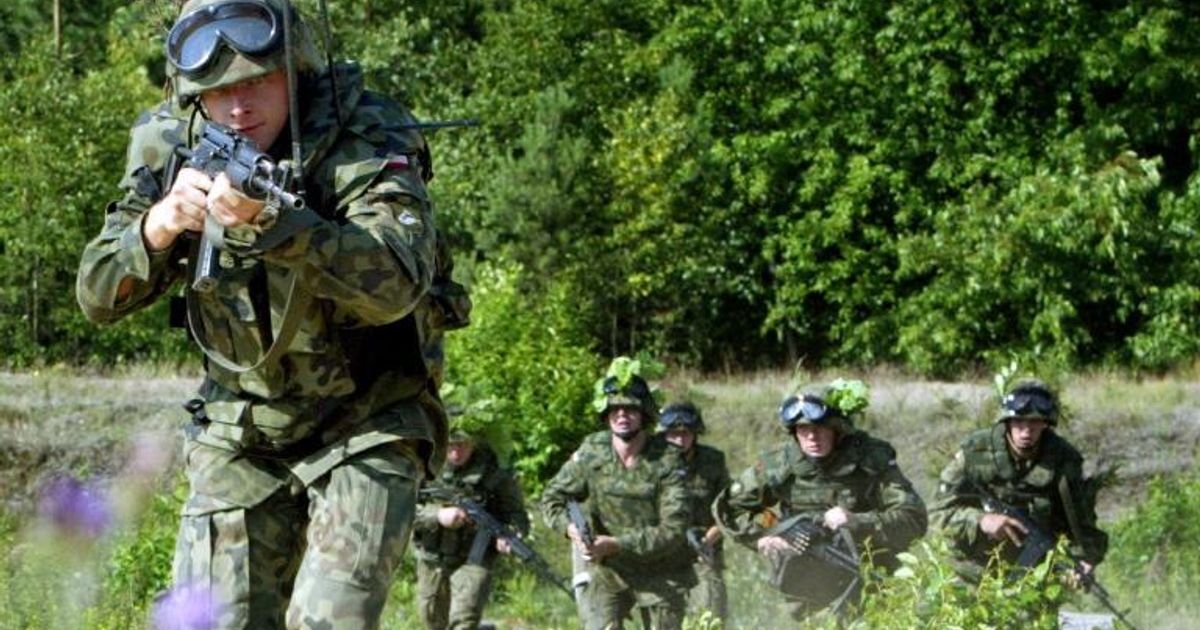
When Mariusz, a shopkeeper in the small eastern town of Hrubieszów, watches the freight trains rumble toward the horizon, he no longer thinks of grain or timber. He looks at the steel of the tracks and thinks of weight. He thinks of the sheer mass of equipment required to ensure that the silence of the forest remains uninterrupted by anything other than the wind. This quiet preoccupation with the physical tools of safety has become the new national heartbeat.
Warsaw recently committed to a series of defense contracts totaling fourteen billion euros in a single twenty-four-hour window. It was a gesture of such immense fiscal scale that it felt less like a government procurement and more like an act of collective existential stubbornness. The money focuses on tangible things: helicopters that can hang in the air like dragonflies, and missiles that promise a perimeter of modern exclusion. We are buying time, some say, while others believe they are buying a future where the map remains unchanged.
The Physicality of Peace
There is a specific kind of vertigo that comes with observing a nation rearm at high speed. For decades, the European project was built on the soft power of trade and the quiet erasure of internal lines. Poland is currently pivoting toward a vision of the state as a hardened vessel, one that relies on the hard edges of engineering to define its place in the world. This is not merely about defense budgets; it is about the re-emergence of the frontier as a central character in the Polish story.
The contracts, financed through a mix of national determination and European loans, represent a shift in how a society views its own longevity. In the cafes of Krakow and the tech hubs of Warsaw, the conversation has moved from the abstract benefits of globalism to the technical specifications of radar systems. There is a sense that the digital age, for all its talk of borders disappearing into the cloud, has been forced to reckon with the crude reality of soil and steel.
“We reached a point where we realized that the thickness of a wall matters more than the speed of a fiber optic cable when history decides to move again,” says a defense analyst based in Warsaw.
The sheer velocity of these acquisitions suggests a culture that has stopped waiting for consensus. In one day, Poland signed more agreements than some nations manage in a decade. It is a record-breaking pace that mirrors the urgency felt by a people who remember very clearly what it means to be caught between the gears of larger powers. They are choosing to become a gear themselves, heavy and impossible to overlook.
Memory as a Procurement Strategy
To understand why a country would spend thirty billion euros on defense loans, one must look below the surface of the balance sheets. The Polish identity is intricately tied to the idea of resilience. Every helicopter purchased is a reaction to a past where such things did not exist. Every tank is a steel-plated promise to the ancestors that the ground will not be easily surrendered. This is the intersection of high technology and deep history.
The engineers and developers involved in integrating these new systems are not just working on software. They are building a nervous system for a country that is increasingly wary of its surroundings. The integration of American and Korean technology into the Polish military framework creates a unique hybridity. It is a mosaic of global expertise gathered to protect a very specific, local patch of earth.
Market analysts often speak of these deals in terms of industrial benefits or geopolitical use. But for the people living near the border, these are not levers. They are the new landmarks of their daily lives. The sound of a training exercise in the distance is no longer a disruption; it has become a reassurance, a low hum of readiness that suggests the world is staying exactly where it belongs.
As the sun sets over the Vistula, one can see the reflection of a nation that is no longer content with being a bridge between East and West. It is choosing to be the anchor. The technology of war is being used to build a very expensive, very sophisticated kind of peace, leaving us to wonder if the only way to keep a border invisible is to make it incredibly strong. Mariusz watches the light fade, the tracks silent for now, hoping that the weight of the steel is enough to keep the ghosts at bay.
Chat PDF avec l'IA — Posez des questions a vos documents