







The APT Industrial Complex: Why State-Sponsored Hacking is the New R&D
The Privatization of National Defense
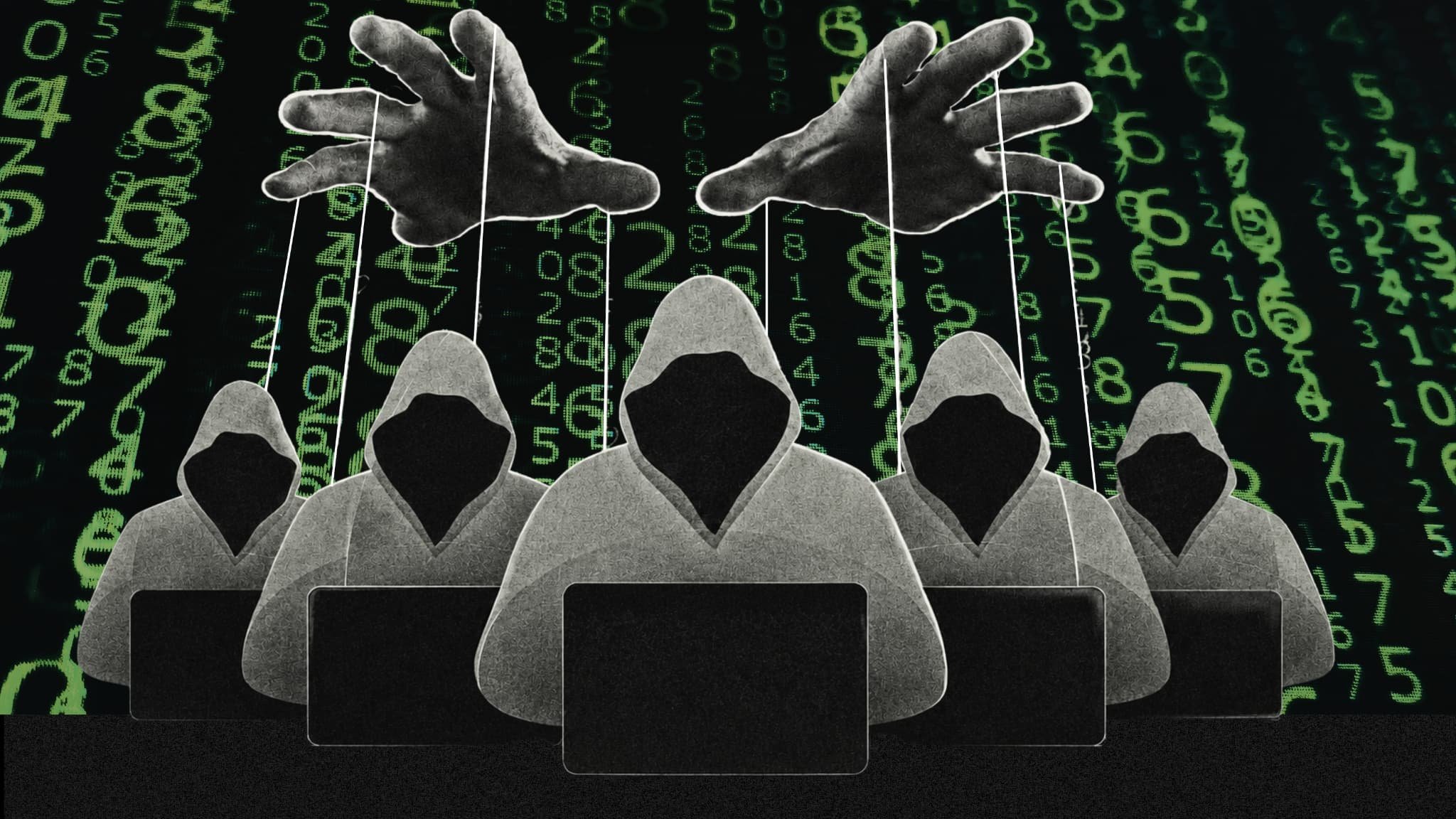
Cyber warfare has moved past the era of basement hackers and enters the age of the APT Industrial Complex. These Advanced Persistent Threats (APTs) are not operating in a vacuum. They function as specialized, high-output units that bridge the gap between intelligence agencies and private contractors. The business model is simple: low attribution risk combined with high-impact data theft.
Governments are increasingly outsourcing their most sensitive operations to these entities. By doing so, they achieve deniability and cost-efficiency. Maintaining a standing digital army is expensive; hiring a specialized cell to exfiltrate intellectual property or disrupt a competitor's power grid is a capital-expenditure play with a massive ROI.
We are seeing a shift where code is the primary weapon in a global land grab. This is not about defacing websites. It is about the systematic extraction of proprietary data that fuels national economies. If you can steal the blueprints for a competitor's semiconductor manufacturing process for $5 million in operational costs, you have effectively bypassed a decade of R&D spending worth billions.
The Moat of Misdirection
The true competitive advantage of an APT lies in its ability to stay invisible within a network for months, or even years. This persistence is their primary product. Unlike a standard ransomware attack that demands immediate payment, an APT is a long-term tenant. They value stealth over speed because the data they seek—strategic policy documents, trade secrets, and infrastructure vulnerabilities—compounds in value over time.
The technical moats for these groups are built on three pillars:
- Zero-Day Arbitrage: The acquisition and hoarding of undisclosed vulnerabilities before they can be patched.
- Supply Chain Poisoning: Attacking a single software vendor to gain access to thousands of downstream corporate targets.
- Custom Tooling: Developing proprietary malware that evades standard EDR (Endpoint Detection and Response) systems.
For a founder or a CTO, the threat model has changed. You are no longer defending against a script kiddy; you are defending against a state-funded enterprise with a quarterly quota. These groups operate with the discipline of a SaaS company, including dedicated roles for research, development, and quality assurance of their exploits.
Who Wins the Cyber Arms Race?
In this environment, the traditional cybersecurity industry is struggling to keep pace. The defensive side of the market is reactive by design. Most security startups are building point solutions for yesterday's problems, while APTs are already engineering the exploits for tomorrow's infrastructure. This creates a massive opportunity for companies that can provide automated threat hunting and zero-trust architectures.
- The Defense Contractors: Legacy players are being forced to acquire agile startups to maintain their relevance.
- The Cloud Providers: AWS, Azure, and Google are becoming the de facto front lines. Their scale allows them to see patterns that individual enterprises cannot.
- The Cyber-Insurance Market: This sector is facing a systemic crisis. If an APT attack is classified as an "act of war," insurers can dodge payouts, leaving the victimized corporation to swallow the loss.
"The distinction between criminal activity and state-sponsored espionage has effectively vanished. We are looking at a unified market for digital aggression."
The strategic implication is clear: cyber-resilience is now a core component of enterprise value. A company that cannot prove it is hardened against APT-level intrusions will face a significant discount in its valuation during M&A or IPO processes. The cost of doing business now includes a permanent tax paid to the security stack.
My bet: I am bearish on standalone antivirus legacy firms and incredibly bullish on sovereign cloud infrastructure and hardware-level security. The software layer is too porous to hold back a motivated state actor. The real winners will be the firms that can bake security into the silicon, making it physically impossible for code to execute outside of its intended boundaries. Bet against the firewall; bet on the hardware.
Planificateur social media — LinkedIn, X, Instagram, TikTok, YouTube