







The Absurd Economics of Los Santos and the Death of the Traditional Sequel
The Mirage of the Million Dollar Transaction
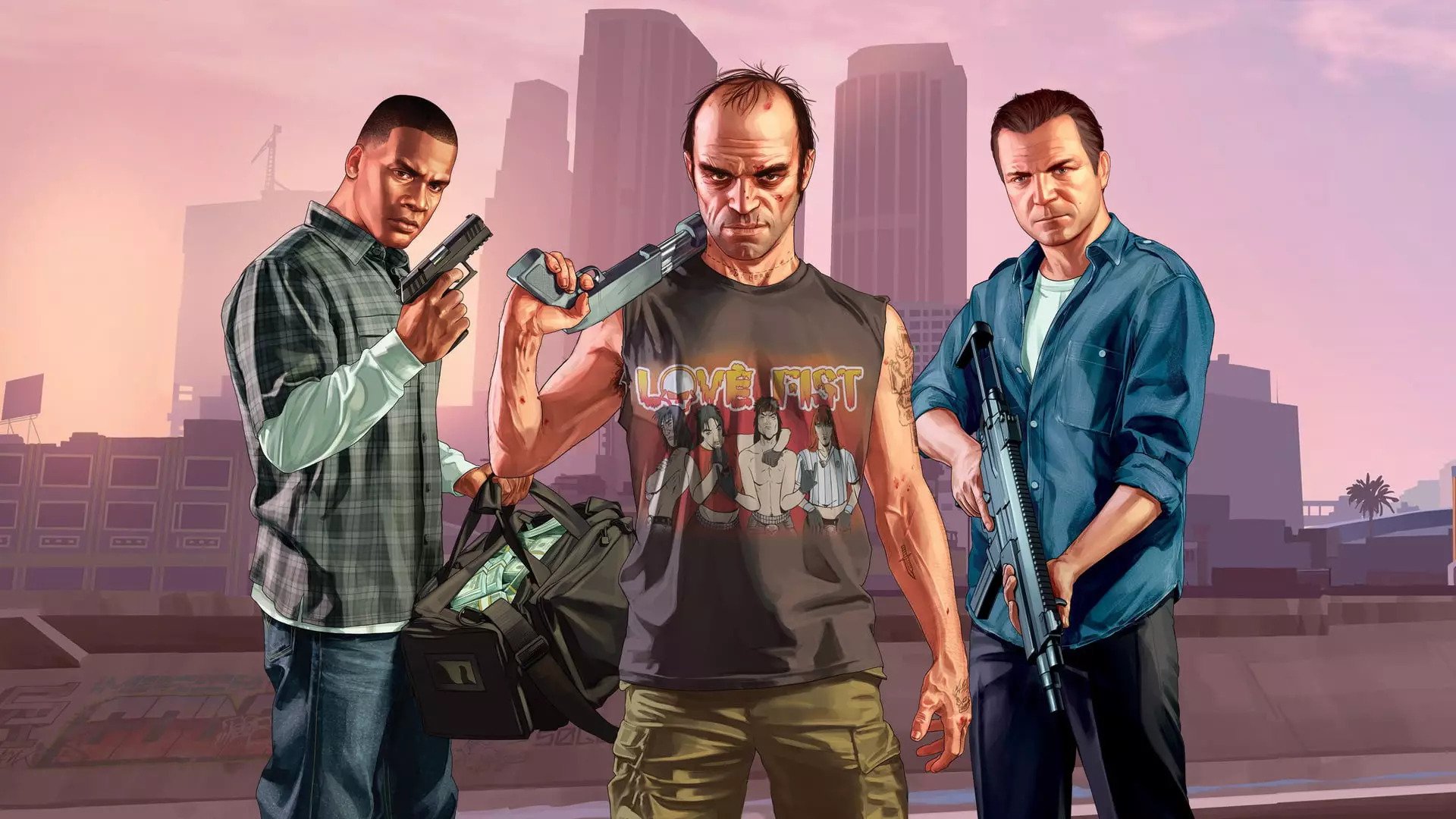
The tech press is currently obsessed with a singular player who allegedly dropped a million dollars in a single session of Grand Theft Auto V. While that number provides a convenient headline for the outrage cycle, focusing on the individual whale is a fundamental misunderstanding of why Rockstar Games is currently the most successful software entity on the planet.
A million dollars is a rounding error for parent company Take-Two Interactive. The real story isn't that one person spent a fortune; it's that millions of people are spending twenty dollars a month, every month, for over a decade. We are witnessing the total conversion of a creative medium into a permanent utility bill.
Most developers dream of a three-year lifecycle for their flagship titles. Rockstar has managed to stretch a game originally designed for the PlayStation 3 into a permanent fixture of the modern digital economy. This isn't just a game anymore; it is a high-yield savings account that pays out in shark cards and virtual real estate.
The sheer scale of recurring revenue generated by GTA Online has fundamentally altered the risk appetite of every major publisher in the industry.
This observation hits on the core problem facing the industry. When a single product generates billions with minimal overhead compared to a fresh launch, the incentive to innovate disappears. Why bother with the massive risk of new IP when you can simply add a new heist to a ten-year-old map?
The Opportunity Cost of Infinite Growth
The staggering financial success of GTA V is actually the worst thing that could have happened to fans of narrative-driven single-player experiences. We have traded the variety of the early 2000s—where we saw multiple iterations of a franchise within a single console generation—for a decade-long wait for a sequel that might never live up to the projected earnings of its predecessor.
Developers often talk about the difficulty of scaling content, but Rockstar solved this by letting the players become the content. By building a sandbox that requires constant financial upkeep to remain competitive, they have created a digital treadmill that never stops. The whale spending a million dollars isn't an outlier; they are the logical conclusion of this design philosophy.
The technical debt of keeping a decade-old engine relevant is being paid for by players who value digital status over actual gameplay innovation. Every time a user purchases a virtual vehicle for the price of a real-world dinner, they are voting for a future where games are never finished and never truly new.
If the numbers remain this high, the pressure to launch GTA 6 becomes more about satisfying shareholders than delivering a successor.
I disagree with the notion that the pressure is about the product at all. The pressure is actually to ensure that the transition to the next platform doesn't interrupt the cash flow. Rockstar isn't building a game; they are building a migration strategy for a captive audience.
The Algorithmic Capture of the Modern Gamer
The genius of the GTA Online model—if you want to call it that—is how it disguises cold, calculated monetization as organic social interaction. When you see a player flying a jet that costs a week's wages, the psychological trigger isn't to marvel at the graphics. It is to catch up to the baseline of power.
This creates a feedback loop that marketing departments call engagement, but any honest observer would call capture. Startups and digital marketers often look at these metrics with envy, trying to find the secret sauce to such longevity. The secret is simple: build a world where the social cost of leaving is higher than the financial cost of staying.
While the industry waits for the next installment with bated breath, the current numbers suggest that Rockstar is in no hurry. They have achieved the impossible: a product that ignores the laws of depreciation. As long as the whales and the minnows keep biting, the traditional concept of a 'sequel' is effectively dead in the water.
We are no longer buying games; we are subscribing to ecosystems. The million-dollar whale is just the most visible symptom of a shift that has already happened under our feet. Time will tell if the industry can survive the success of its own most profitable monster.

Convertir PDF en Word — Word, Excel, PowerPoint, Image