







Software-Defined Warfare: The End of Hardware Primacy in Defense
The Decoupling of Metal and Intelligence
Defense procurement historically operated on 30-year hardware cycles. You built a hull, stuffed it with electronics, and hoped it stayed relevant until the next generational overhaul. That era ended when the first consumer drone with a software-defined radio outperformed a multi-million dollar jammer. The market is now witnessing the Tesla-fication of the battlefield, where the value of a platform is no longer in the engine or the armor, but in the stack of code running it.
Governments are realizing that a tank is just a mobile data center with a gun attached. By decoupling software from hardware, military forces can deploy updates, patches, and new capabilities in hours rather than decades. This is a fundamental shift in unit economics. In the old model, upgrading a fleet meant dry docks and assembly lines. In the new model, it is a push notification via satellite link.
This transition moves the defense industry from a high-margin hardware sales model to a recurring capability-as-a-service framework. The winner is no longer the firm that can bend the most steel, but the one that owns the operating system governing the hardware.
The Moat Shift: From Foundries to DevOps
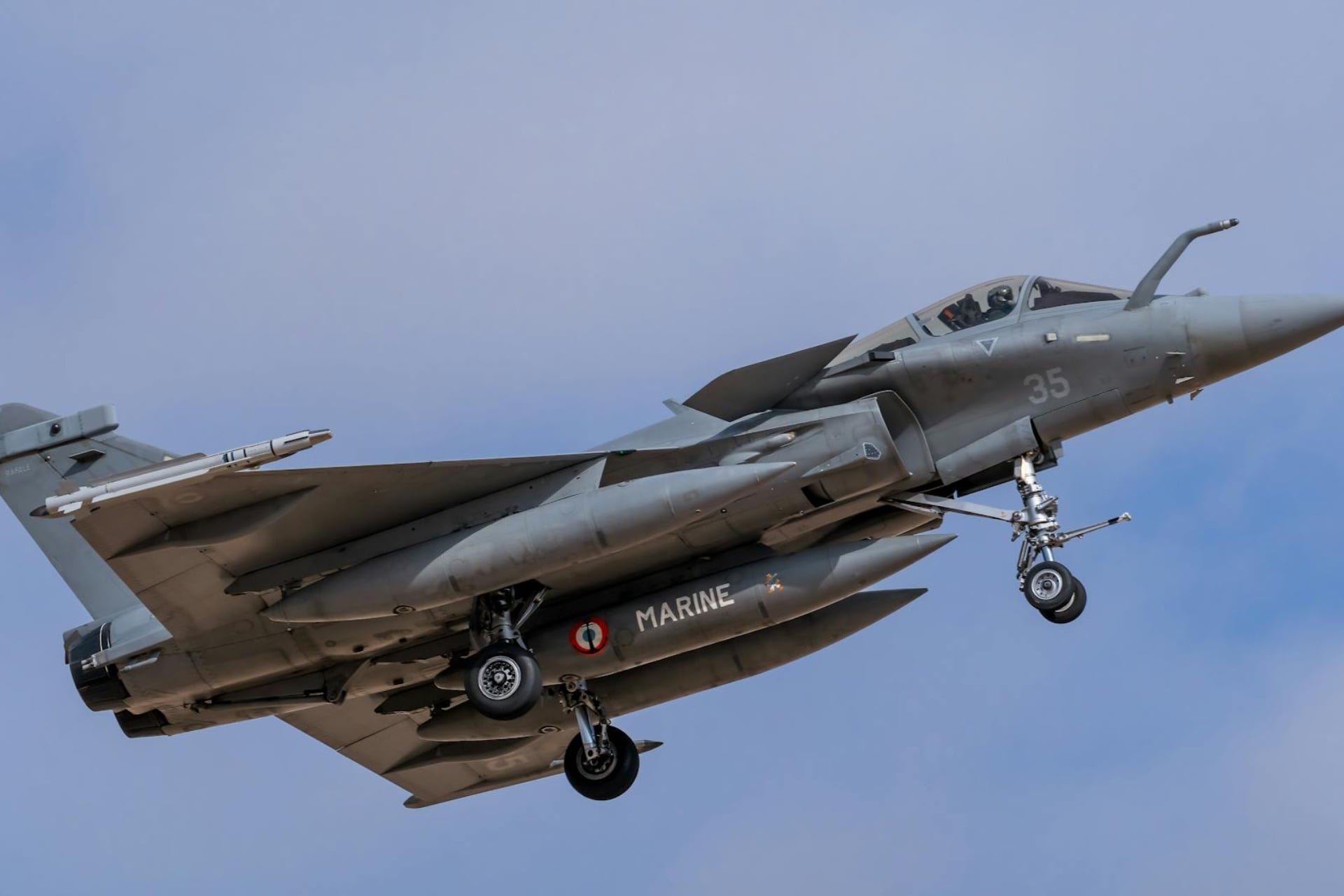
Traditional defense giants like Lockheed and Northrop are facing a classic Innovator’s Dilemma. Their moats were built on massive physical infrastructure and lobbying power. However, those moats are drying up as software-first companies enter the fray. When a fighter jet can receive a software patch mid-flight to counter a new electronic warfare threat, the competitive advantage shifts to speed of iteration.
- Rapid Feedback Loops: Combat data collected in the morning becomes a code fix by the afternoon.
- Hardware Agnosticism: Software that can run on any chassis prevents vendor lock-in and drives down procurement costs.
- Artificial Intelligence Integration: Autonomous systems require continuous learning models that cannot be frozen in a hardware spec.
This shift introduces a new risk: cyber-kinetic vulnerability. If a tank can be updated like a smartphone, it can be bricked like one too. The defensive moat now relies on the integrity of the CI/CD pipeline. The company that secures the delivery of code to the edge will capture the largest share of future defense budgets.
“The speed at which we can write and deploy software is now the primary metric of military effectiveness.”
Who Wins the War for the Stack?
The disruption of the military-industrial complex will be messy. We are seeing a consolidation of power among firms that prioritize open architecture. By moving away from proprietary, closed-loop systems, the military can integrate best-in-class sensors and weapons from different vendors into a single unified interface. This is the horizontalization of a vertical industry.
Legacy players will try to protect their margins by claiming software-defined systems are less reliable or more prone to interference. But the operational reality of modern conflict suggests otherwise. In high-intensity environments, adaptability beats durability every time. A cheap, updatable platform is more valuable than an expensive, static one.
We are entering a phase where over-the-air (OTA) updates define the frontline. This creates a massive market for specialized middleware and edge computing providers who can handle the harsh environments of a theater of war while maintaining high-speed data throughput.
I am betting on the defense-tech insurgents—the companies building the underlying OS for autonomous systems. I am betting against any prime contractor still pitching a 20-year hardware roadmap without a clear, modular software strategy. The future of the battlefield isn't a better engine; it's a better compiler.
Planificateur social media — LinkedIn, X, Instagram, TikTok, YouTube