







Persistent Shadows: How North Korean Malware Found a Permanent Home in the Blockchain
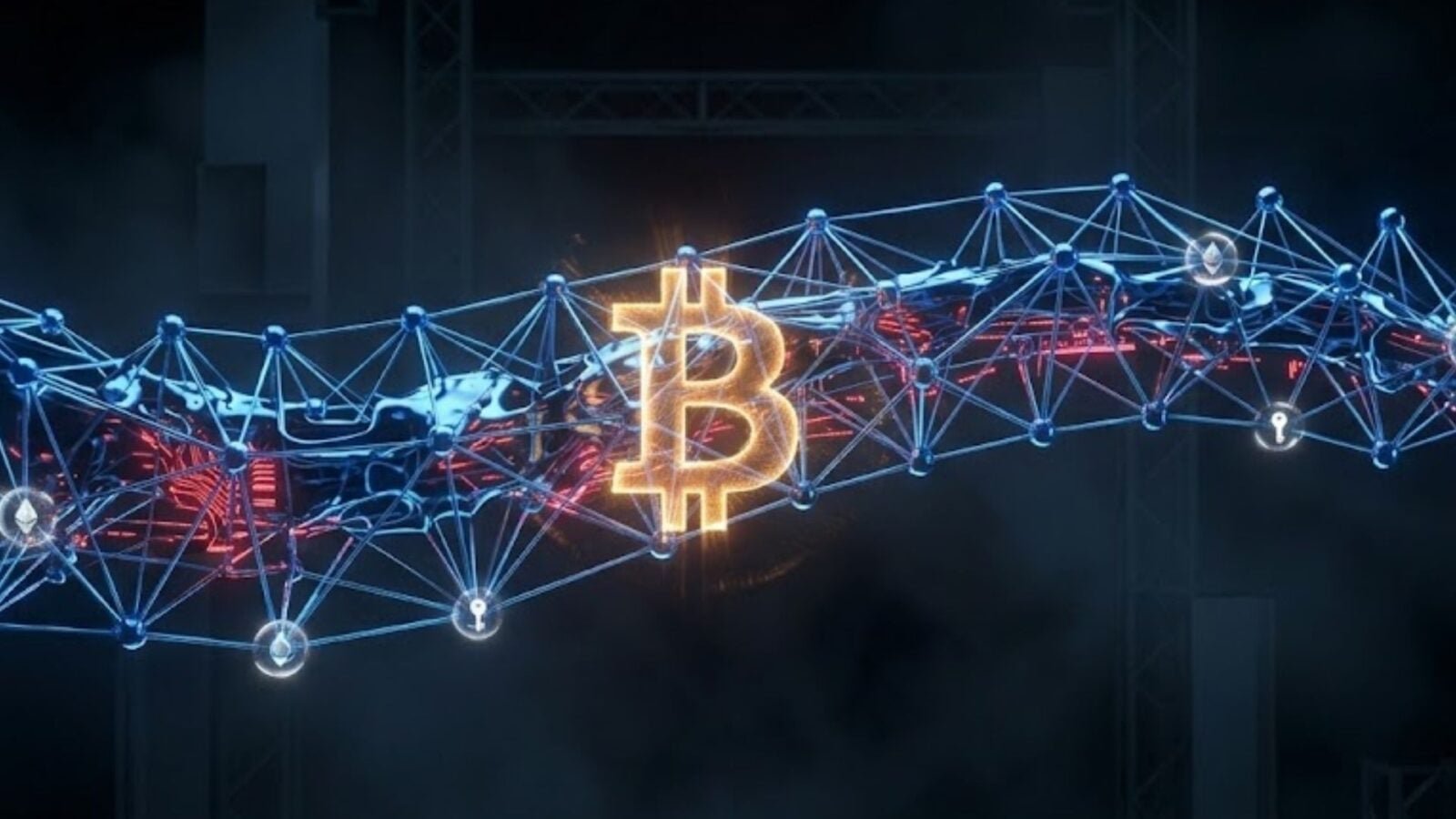
The Immutable Ledger's Fatal Flaw
The marketing pitch for blockchain tech has always centered on immutability. Once a transaction is recorded, it stays there forever, shielded from tampering by the sheer force of decentralized consensus. However, the Lazarus Group, North Korea’s elite cyber-warfare unit, has found a way to turn this strength into a structural liability. By embedding malware directly into the smart contracts and transaction chains, they have created a threat that cannot be simply deleted or patched out by a central server admin.
Security researchers have long warned that the rush to decentralize would outpace the ability to secure these systems. While most exchanges focus on protecting private keys and cold storage, the threat has migrated to the very data structures that define the network. We are no longer looking at simple phishing attempts; we are witnessing the architectural integration of state-sponsored theft. The money is not just being stolen; the pipes used to move it are being reconfigured at the source.
Lazarus Group continues to evolve its tactics by utilizing decentralized protocols to mask the distribution of malicious payloads, ensuring longevity and persistence that traditional hosting cannot provide.
The official narrative from blockchain advocates suggests that transparency will eventually flush out bad actors. They argue that because every transaction is public, the movement of stolen funds can be tracked and neutralized. This ignores the reality of how on-chain malware operates. When the malicious code lives within a smart contract that users must interact with to trade or stake, the act of participation becomes the infection vector. You aren't just watching a thief; you are unknowingly using the thief's tools to conduct your own business.
The Cost of Censorship Resistance
Traditional cybersecurity relies on the ability to take down a malicious domain or isolate an infected server. In the decentralized world, no single entity has the authority to 'delete' a smart contract once it is deployed. This creates a paradox for developers: the same censorship resistance that protects a dissident's transactions also protects a North Korean virus. If a protocol team attempts to blacklist a malicious contract, they risk fragmenting their own network or violating the core tenets of their platform.
Evidence suggests that Lazarus is targeting the interoperability layers—the bridges that allow different blockchains to communicate. These bridges are the most vulnerable points in the ecosystem because they require complex smart contract logic to handle the locking and releasing of assets. By injecting code here, the attackers don't just hit one wallet; they compromise the entire flow of liquidity between ecosystems. It is a high-yield strategy that treats the blockchain as a hosting provider that never sends a DMCA notice.
Financial regulators are now facing a technical wall they are unprepared to climb. If the malware is part of the chain's history, then every node operator is technically hosting state-sponsored cyber-weapons. This raises uncomfortable questions about liability. When a validator processes a block containing malicious code, are they a neutral infrastructure provider or an accidental accomplice? The lack of a clear answer is exactly what the Lazarus Group is counting on to maintain their operations.
Following the Invisible Paper Trail
The sophistication of these attacks points to a massive intelligence gap between the attackers and the builders. While startup founders are focused on user acquisition and tokenomics, North Korean developers are performing deep-dive audits of common libraries to find exploits that can be automated. They are not looking for a one-time score; they are building a persistent revenue stream for a sanctioned regime. This is industrial-scale digital looting disguised as decentralized finance.
We have to ask why the industry remains so reactive. After every major bridge hack or contract exploit, the response is a post-mortem and a promise to do better. Yet, the underlying issue—the inability to remove malicious data from an immutable ledger—remains unaddressed. The industry is effectively building a city where the blueprints are public, but the locks can never be changed once the doors are hung.
The survival of these decentralized platforms now depends on a single, difficult metric: the speed of social consensus versus the speed of the exploit. If the community cannot agree to purge or ignore malicious contracts faster than Lazarus can deploy them, the 'trustless' nature of the blockchain will become its greatest liability. The next few months will reveal whether the major protocols have the stomach to implement the very centralized interventions they once claimed to despise.

Createur de videos IA — Veo 3, Sora, Kling, Runway