







Optimizing Password Security: Why Length Trumps Complexity in Modern Defense
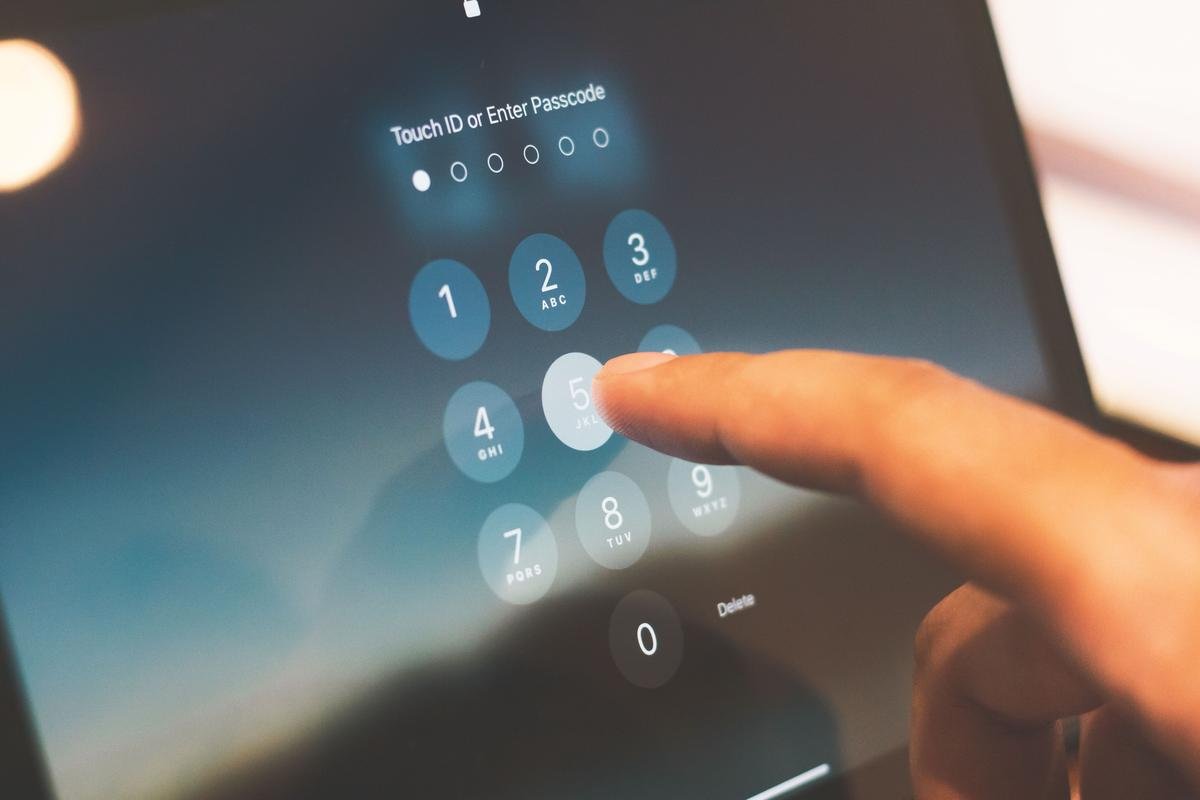
The Shift Toward Passphrases
Traditional password advice often emphasizes a mix of uppercase letters, numbers, and symbols. However, cybersecurity experts now argue that length provides better protection against modern cracking tools than character variety alone. A twelve-character password using only lowercase letters is often harder to crack than an eight-character string with complex symbols.
Security professionals recommend using passphrases consisting of four or more random words. This method creates a high-entropy secret that is difficult for machines to guess but easy for humans to remember. Avoiding common dictionary terms or famous quotes remains essential to prevent credential stuffing attacks.
The Role of Multifactor Authentication
Relying solely on a strong password is no longer sufficient for high-value accounts. Automated scripts can test millions of combinations per second, making even complex strings vulnerable over time. Implementing multifactor authentication (MFA) adds a critical layer of defense that stops attackers even if they obtain the primary credentials.
- Use biometric locks or hardware keys for sensitive financial accounts.
- Avoid SMS-based codes when authenticator apps or physical tokens are available.
- Enable login notifications to monitor unauthorized access attempts in real-time.
Hardware security keys represent the current gold standard for preventing phishing. These devices require physical proximity to the machine, making remote account takeovers nearly impossible for digital intruders.
Managing Digital Identities
Password reuse remains the primary cause of large-scale data breaches across the tech sector. When one minor service suffers a leak, hackers use those credentials to attempt access on banking and email platforms. Using a dedicated password manager allows users to maintain unique, high-strength credentials for every individual service.
- Generate random sequences of at least 16 characters for non-essential accounts.
- Audit stored credentials regularly to identify and update compromised or weak entries.
- Ensure the master password for the vault is a long, unique passphrase never used elsewhere.
Modern browsers and operating systems now include integrated management tools that simplify this process. These systems can automatically flag leaked passwords by cross-referencing encrypted databases of known breaches.
Enterprise Security Requirements
Organizations are moving away from mandatory 90-day password rotations. Recent studies show that frequent forced changes lead employees to choose predictable patterns, such as adding a single digit to an old password. Current best practices suggest changing credentials only when there is evidence of a compromise.
Instead of rotation, IT departments are focusing on monitoring for anomalous login behavior and geographic inconsistencies. This proactive approach identifies threats based on activity rather than relying on the perceived strength of a static string of text.
Expect more platforms to adopt passkey technology to eliminate traditional passwords entirely.
Videos UGC avec avatars IA — Avatars realistes pour le marketing