







Massive Healthcare Breach Hits 15 Million Patients via Cegedim Software
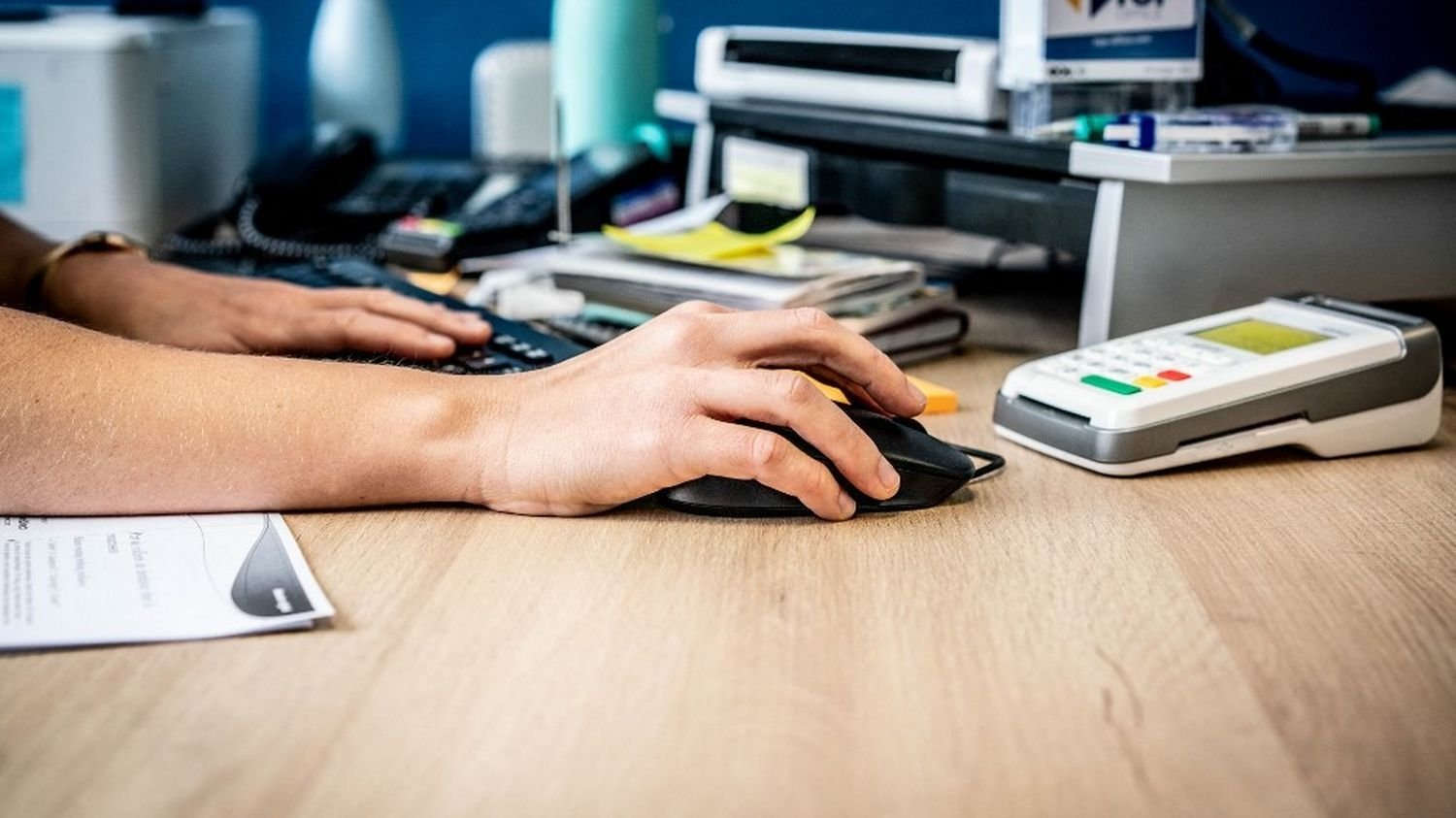
Security Breach Impacts French Medical Records
A significant cyberattack has compromised the personal information of 15 million patients in France. The breach targeted software developed by Cegedim Santé, a major provider of digital health solutions. Approximately 1,500 doctors using the platform were directly affected by the intrusion.
French authorities launched a formal investigation after the company detected unauthorized access to its systems. The stolen data includes identity details and administrative information, though the extent of clinical record exposure remains under review. Cegedim Santé confirmed that the vulnerability stemmed from a specific software module used by general practitioners.
Scale of the Data Exposure
The incident represents one of the largest healthcare data leaks in recent years. While 15 million records were accessed, the company claims the attackers did not obtain full medical histories for every individual. The focus of the theft appears to be administrative metadata and contact information.
- Affected parties: 1,500 healthcare professionals.
- Total records compromised: 15 million patients.
- Scope of data: Names, birth dates, and social security numbers.
- Primary target: Maiia management software.
Cegedim Santé notified the French data protection authority, CNIL, immediately following the discovery. The company has since patched the security flaw and reset access credentials for all impacted medical offices. Security experts are currently monitoring dark web forums for signs of the data being traded.
Regulatory and Legal Consequences
This breach highlights the growing vulnerability of centralized medical software platforms. Under GDPR regulations, Cegedim Santé could face substantial fines if investigators find the company failed to implement adequate security measures. The Paris prosecutor's office is leading the criminal inquiry into the unauthorized data extraction.
Doctors using the software are legally required to inform their patients about the potential exposure of their information. This process is expected to take weeks given the volume of individuals involved. The incident has renewed calls for stricter cybersecurity audits for third-party medical software providers.
Cybersecurity analysts suggest the attackers likely intended to use the data for phishing campaigns or identity theft. Patients are advised to remain vigilant regarding suspicious emails or phone calls requesting financial details.
Watch for the results of the CNIL audit to determine if the software's encryption standards met legal requirements.
Chat PDF avec l'IA — Posez des questions a vos documents