







Locks on the Windows: Why Startups are Finally Treating Security Like Product Growth
A developer in a sun-drenched coworking space in Lyon stares at a terminal window. He is twenty-four years old, fueled by cold brew, and responsible for the data of thirty thousand users. He knows his password hashing is solid, but he hasn't thought about the open API endpoint that could let a bored teenager in another hemisphere dump his entire database by Tuesday morning.
This is the standard state of play for the modern founder. In the race to find product-market fit, security is often the vegetable that gets pushed to the edge of the dinner plate. It is viewed as a friction point, a cost center, or something to be handled after the Series A funding arrives. But as the digital world grows more predatory, that delay is becoming a fatal gamble.
The Architecture of Early Defense
Building a company without a security framework is like building a house with beautiful glass walls but forgetting to install a front door. You might enjoy the view for a while, but eventually, the wind—or a thief—is going to get in. For most startups, the vulnerability isn't a lack of talent; it's a lack of priority. The pressure to ship features often outweighs the need to audit permissions.
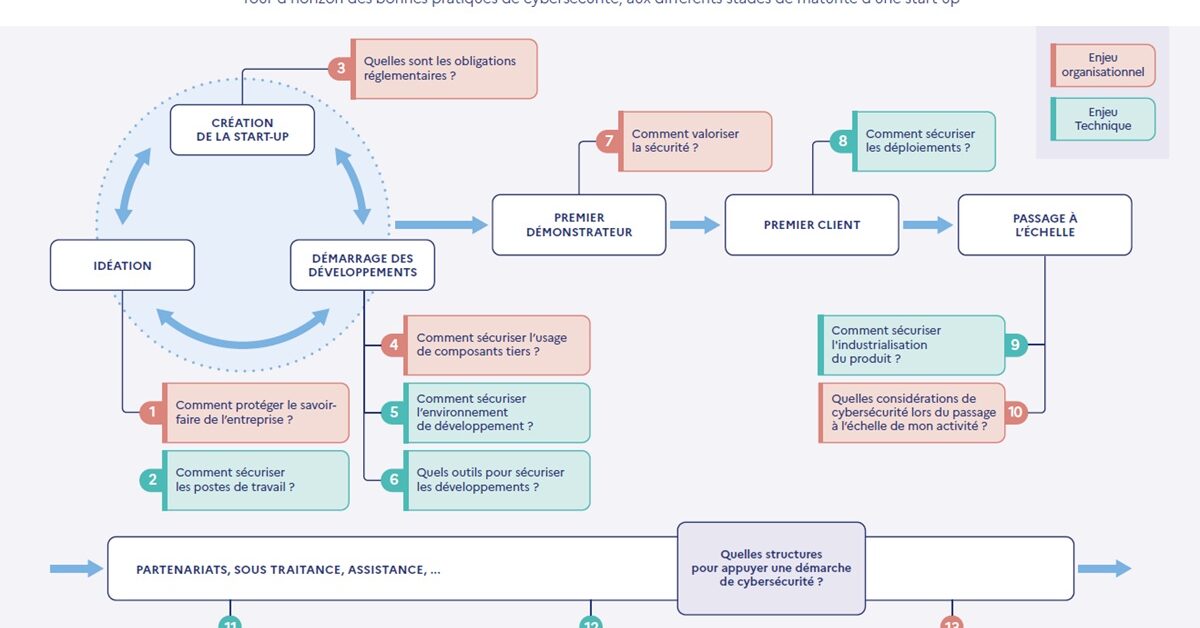
Recent shifts in the ecosystem suggest that the tide is turning. Founders are beginning to realize that a single breach can erase two years of hard-won brand trust in two hours. Security is moving from a back-office checklist to a core feature of the product itself. It is becoming a competitive advantage in a market where customers are increasingly skeptical about where their data lives.
Small teams often think they are too insignificant to be targets, but to an automated bot, a startup is just an unlocked door waiting to be kicked open.
The first stage of this protection isn't about expensive software. It starts with culture. It means teaching every hire that a suspicious link is a company-wide threat. It involves setting up multi-factor authentication not because a manual says so, but because it is the baseline for professional hygiene in 2024.
Growth Without the Growing Pains
As a company scales, the complexity of its digital footprint expands like an unruly garden. What worked for three people sharing a Slack channel won't hold up when you have fifty remote employees scattered across four time zones. This is where the technical debt of ignored security starts to accrue interest at an alarming rate.
Smart teams are now integrating automated testing directly into their deployment pipelines. Every time a line of code is written, a silent sentinel checks for common flaws. This isn't just about catching errors; it's about building a system that allows developers to move fast without the constant fear of breaking the glass. It turns security into a guardrail rather than a roadblock.
Investors are also changing their tune. A decade ago, a pitch deck rarely mentioned data integrity. Today, sophisticated venture capitalists are looking at the security posture of a startup during due diligence. They want to see that the foundation is made of concrete, not cardboard. They know that a company with a hole in its bucket can't hold water, no matter how much marketing spend you pour into it.
The Long Game of Digital Trust
We are entering an era where the 'move fast and break things' mantra is being replaced by 'move fast and protect things.' The tools available to startups have reached a point where enterprise-grade protection is no longer the exclusive property of banks and government agencies. Even a small team can now deploy sophisticated monitoring that would have cost six figures just a few years ago.
Ultimately, the goal isn't just to stop hackers. It is to build a vessel that can withstand the storms of the open internet. When a founder can show a prospective enterprise client a clean security audit, it closes deals. When a user sees a commitment to privacy, it builds loyalty. Security is the quiet engine of longevity.
Last week, that developer in Lyon finally closed that API endpoint. He didn't do it because of a regulation or a scary headline. He did it because he realized that his code was his craft, and a craftsman doesn't leave his tools out in the rain. The question for the rest of the startup world is no longer if they will be targeted, but how much they will have already built to ensure nothing happens when the door handle finally turns.
Planificateur social media — LinkedIn, X, Instagram, TikTok, YouTube