







Learning from the Legacy of Brice Augras: Why Offensive Security Matters for Startups
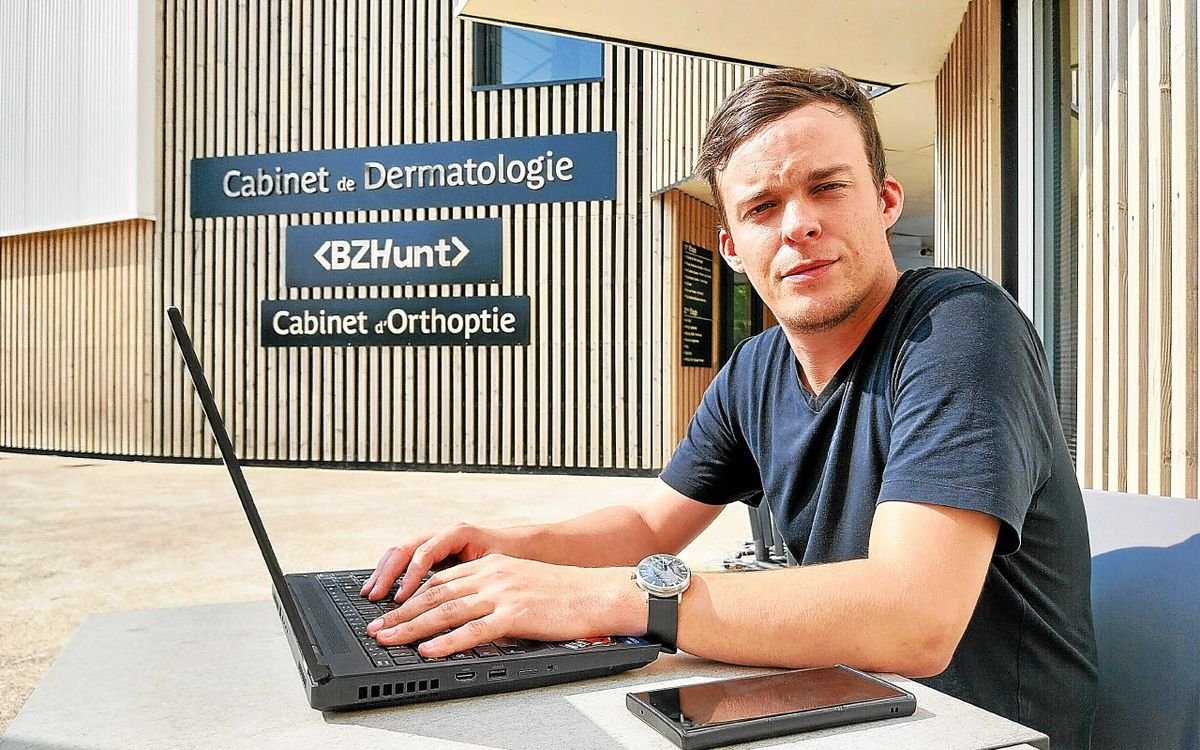
Why should builders care about the loss of a top-tier ethical hacker?
The recent passing of Brice Augras, the 35-year-old founder of BZHunt and a world-class penetration tester, marks a significant loss for the tech community. For developers and founders, his career serves as a masterclass in why offensive security is not an optional add-on, but a core component of building a resilient product. Augras didn't just find bugs; he demonstrated that the only way to protect a system is to understand exactly how to break it.
If you are shipping code today, you are operating in an environment where automated scanners are no longer enough. Augras and his team at BZHunt specialized in bug bounties and manual testing, proving time and again that human intuition can find logic flaws that software misses. His success as a world champion hacker was built on the premise that security is a continuous process of stress-testing your own assumptions.
How does a hacker mindset change your development cycle?
Most teams treat security as a gate at the end of a sprint. This is a mistake that leads to expensive refactoring and late-night patches. Augras advocated for a proactive approach. When you integrate security early, you aren't just checking boxes for compliance; you are hardening your architecture against real-world threats.
- Think in attack vectors: Instead of asking if a feature works, ask how a malicious actor could abuse the logic of that feature.
- Prioritize manual audits: Automated tools are great for low-hanging fruit, but high-value vulnerabilities often hide in the business logic where tools don't look.
- Embrace the community: Engaging with ethical hackers through bug bounty programs can provide a level of scrutiny that internal teams simply cannot replicate.
The work done by BZHunt helped secure infrastructure for major organizations, but the lessons apply to the smallest MVP. A single vulnerability can sink a startup's reputation before it even gains traction. Augras’s influence in the Brest tech ecosystem and beyond showed that technical excellence and ethical responsibility must go hand-in-hand.
What can we learn from the BZHunt approach to risk?
Security is often viewed as a cost center, but Augras treated it as a competitive advantage. Companies that can prove they have been rigorously tested by the best in the field win trust faster. This is especially true for SaaS founders who handle sensitive customer data. The BZHunt model focused on deep, specialized knowledge rather than broad, shallow checklists.
Building a culture of security means encouraging your developers to experiment and find flaws in their own work without fear of retribution. It requires a shift from being defensive to being curious. When your team starts thinking like an attacker, your code quality improves naturally because edge cases are identified during the design phase rather than after a breach.
Start by auditing your current deployment pipeline. If you don't have a clear path for reporting and fixing vulnerabilities, you are flying blind. Look into establishing a basic security.txt file on your domain to give researchers a way to contact you. Moving forward, consider how a targeted penetration test could reveal the gaps in your 2024 roadmap.
Videos Faceless — Shorts viraux sans montrer son visage