







Inside the Football Data Breach: Why Professional Sports are the New Target for Hackers
The Invisible Infrastructure of Global Football
Most fans see football through the lens of ninety-minute matches, stadium lights, and social media highlights. Behind that spectacle lies a massive digital operation that handles bank accounts, medical records, and private travel details for the world's most famous athletes. When this infrastructure fails, the consequences aren't just technical; they are deeply personal.
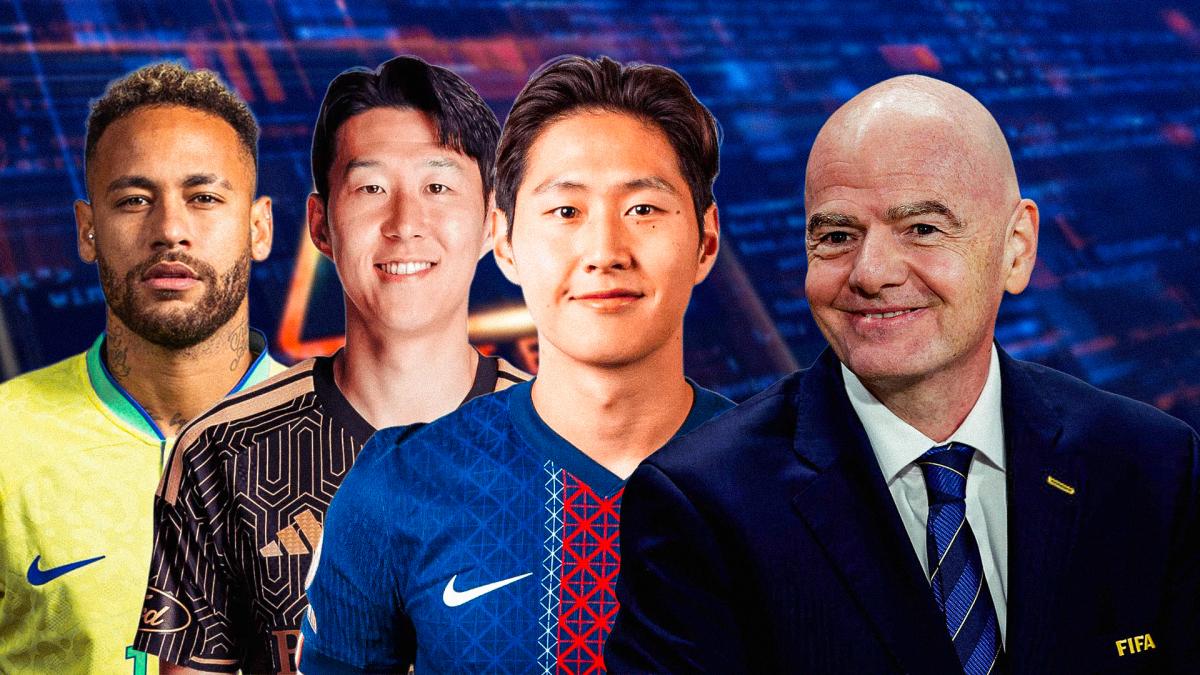
A recent security failure has exposed the sensitive information of high-profile figures including Neymar, Kang-in Lee, and FIFA President Gianni Infantino. This isn't just a story about famous names being inconvenienced. It is a case study in how the sports industry has become a primary target for digital theft because it often lacks the rigorous security protocols found in the banking or healthcare sectors.
The Value of Athletic Data
Why would a hacker want access to a footballer's records? In the digital economy, data is often compared to oil because it is a raw material that can be refined into profit. For a celebrity athlete, their data includes more than just an email address. It involves:
- Financial Transaction Records: Details on endorsements, transfers, and private wealth management.
- Medical History: Highly sensitive physical data that could affect a player's market value if made public.
- Travel Logistics: Real-time location data and future travel plans which create physical security risks.
How Modern Sports Organizations Became Vulnerable
The speed at which football has digitized its operations has outpaced its defensive capabilities. Large organizations like FIFA or major European clubs operate like multinational corporations, yet they often rely on a web of third-party vendors, agents, and marketing firms. Each of these partners represents a potential entry point for a breach.
When we talk about a data leak, we are usually describing one of two things. Either a server was left unsecured without a password, or a sophisticated actor used a phishing attack to trick an employee into giving up access. In this specific instance, the sheer volume of information suggests a systemic failure in how data was stored and partitioned across the network.
The Ripple Effect of a Breach
A leak of this scale creates a domino effect. Once the personal details of an executive like Gianni Infantino are public, they can be used to launch social engineering attacks. This is a tactic where hackers use real details to impersonate a trusted figure, tricking others into transferring money or revealing further secrets. The breach is rarely the end of the story; it is usually the beginning of a months-long cycle of secondary fraud.
Protecting the Future of Digital Sports
For developers and marketers in the sports space, this incident serves as a clear warning. Security cannot be an afterthought added to a platform once it becomes successful. It must be baked into the architecture from the first line of code. This means implementing zero-trust protocols, where no user or device is trusted by default, even if they are already inside the network.
Clubs and federations are now forced to rethink their relationship with technology. They are no longer just sports teams; they are custodians of some of the most valuable personal data on the planet. Moving forward, we can expect to see a shift toward end-to-end encryption for all internal communications and a much more aggressive approach to auditing third-party software providers.
Now you know that a data breach in football is less about the sport and more about the failure of a complex, interconnected digital supply chain. Security is only as strong as its weakest link, whether that is a junior staffer's password or an unpatched server in a partner's office.

Createur de videos IA — Veo 3, Sora, Kling, Runway